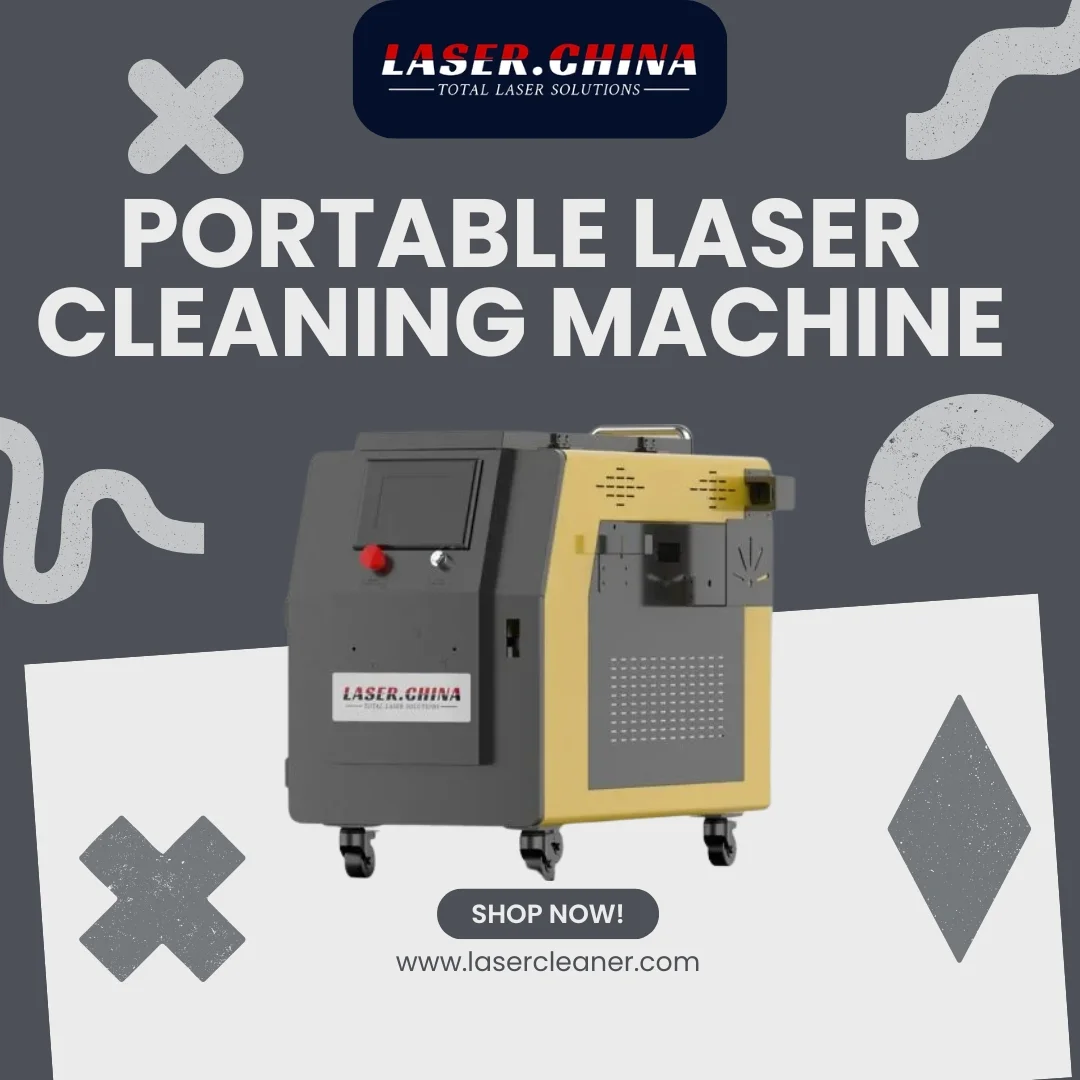
In recent years, portable laser cleaning machines have become a popular solution for both professionals and DIY enthusiasts, offering an efficient, eco-friendly, and precise method for removing rust, paint, grime, and other contaminants from various surfaces. These machines are highly valued for their ability to provide a high level of cleaning accuracy without the need for harsh chemicals or abrasives, making them ideal for a wide range of applications, from automotive restoration to home renovation projects. Their portability adds to their appeal, allowing individuals to use them at home or in small workspaces without sacrificing performance.
However, despite their numerous advantages, portable laser cleaning machines come with inherent risks. Given the high-powered lasers involved, the proper safety measures must be followed to avoid accidents, injuries, or long-term damage. The intensity of the laser beams can pose serious hazards, such as eye damage, skin burns, and even electrical hazards if not handled correctly. In addition, the machine generates fumes and heat, which require attention to ensure a safe working environment.
Table of Contents
- Portable Laser Cleaning Machine Home Use Safety Tips You Can’t Ignore
- Understanding How Portable Laser Cleaning Machines Work
- 1. Laser Eye Protection: Safeguarding Your Vision
- 2. Skin Safety: Protecting Yourself from Burns
- 3. Stability and Handling: Maintaining Control of the Machine
- 4. Electrical Safety: Avoiding Shocks and Fire Hazards
- 5. Ventilation and Fume Safety: Managing Airborne Contaminants
- 6. Proper Training and Familiarization with the Equipment
Portable Laser Cleaning Machine Home Use Safety Tips You Can’t Ignore
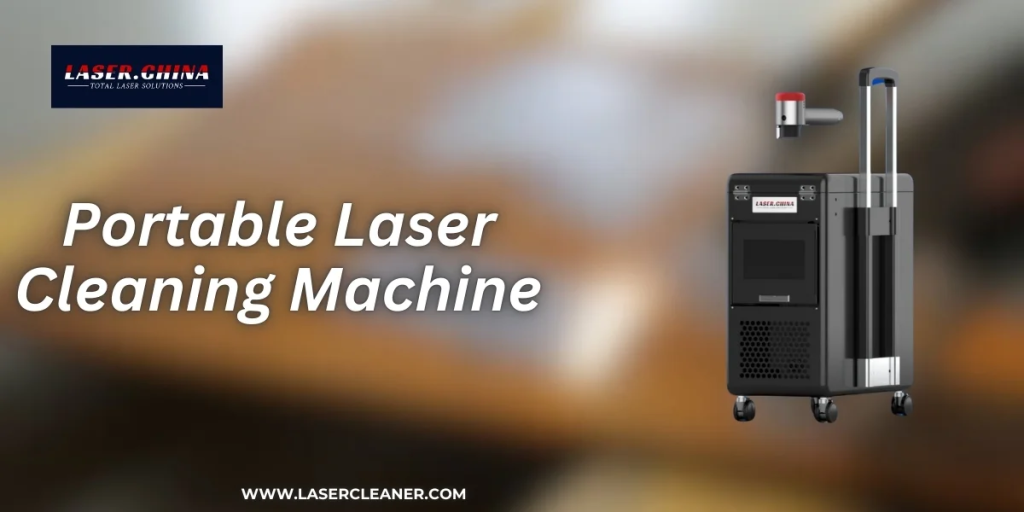
Portable laser cleaning machines have revolutionized surface cleaning technology, offering users an efficient, eco-friendly, and precise method of removing rust, paint, oil, and other contaminants from various surfaces. Their compact size makes them accessible for home use, where individuals are now considering using these machines for everything from automotive restoration to home improvement projects. However, as with any advanced technology, there are safety concerns that users must be aware of to ensure that they can use these devices effectively and without harm.
Portable laser cleaning machine is based on the principle of laser ablation, where high-powered laser beams are used to target contaminants on surfaces. When directed at a material, the laser’s energy is absorbed by the contaminants, causing them to vaporize or be removed by the force of the laser. This cleaning method is gaining popularity due to its efficiency, precision, and eco-friendly nature, as it doesn’t require the use of harsh chemicals or abrasive materials. Despite its many benefits, there are significant safety risks that come with using such powerful equipment in a home environment.
Understanding How Portable Laser Cleaning Machines Work
Before we dive into safety measures, it is crucial to understand how these devices work. Portable laser cleaning machine use high-intensity light beams, typically from a solid-state laser, to clean surfaces. The laser is focused onto the surface of the material, and its energy is absorbed by the contaminants, causing them to evaporate, oxidize, or be blown away by the intense light. This method is highly effective for removing rust, paint, dirt, and grease from metals, concrete, and other materials.
What makes portable laser cleaning machines particularly appealing for home use is their compact size. Unlike large industrial laser cleaning systems, portable units can be maneuvered with ease, allowing users to target specific areas. However, despite their smaller size, these machines can still be extremely powerful, and using them without the proper safety precautions can lead to serious consequences.
1. Laser Eye Protection: Safeguarding Your Vision
The most immediate and obvious safety risk associated with using portable laser cleaning machines is the potential for eye injury. Lasers are extremely powerful and can cause permanent damage to the eyes if they come into direct contact with the retina. Even low-powered lasers can be dangerous if they are used improperly.
How Laser Beams Affect the Eyes
Lasers operate by emitting concentrated light at specific wavelengths. When this light hits the eyes, it is focused onto the retina, which can cause severe damage. The damage depends on several factors, including the wavelength, power, and duration of exposure. Eye injuries from lasers can range from temporary vision impairment to permanent blindness.
Protective Measures for Eye Safety
It is imperative to wear laser safety goggles specifically designed to protect against the wavelength of the laser used in the cleaning machine. For example, a laser with a wavelength of 1064 nm (common in portable laser cleaning machines) requires goggles rated for that specific wavelength. It’s important to note that regular glasses or sunglasses do not provide adequate protection against laser light.
Tip: Always wear laser safety goggles when the machine is in operation, even if you’re not actively pointing the laser at a specific area. Laser light can bounce off reflective surfaces and pose a risk, so protective eyewear should be worn at all times.
Case Study: In a study conducted by the National Institute for Occupational Safety and Health (NIOSH) in 2019, several workers experienced eye injuries due to insufficient protection while using portable laser cleaning machine systems. These cases prompted further investigation into the importance of proper safety goggles. One of the cases involved a worker who did not wear the recommended laser goggles while operating a cleaning machine in a poorly lit room. The worker suffered permanent eye damage as a result, underscoring the need for proper protective measures.
2. Skin Safety: Protecting Yourself from Burns
While eye injuries are often the most discussed risk with lasers, skin burns are another serious concern. The powerful laser beams used in cleaning machines can cause severe burns if they come into direct contact with the skin. Even less powerful lasers can cause skin irritation or minor burns if left unchecked.
Laser Burns and Their Effects
Laser burns occur when the intense heat from the laser beam is absorbed by the skin, leading to tissue damage. The severity of the burn depends on factors such as the intensity of the laser, exposure duration, and the distance from the skin. In some cases, laser burns can lead to permanent scarring or deeper tissue damage.
How to Prevent Skin Burns
To prevent skin injuries, always wear appropriate protective clothing, such as gloves, long-sleeve shirts, and pants that cover exposed skin. In addition to clothing, it is also a good idea to wear a laser protection sleeve or an arm guard when operating the portable laser cleaning machine. These garments are designed to block the harmful effects of laser radiation.
Tip: Ensure the laser is properly focused and directed toward the target material. Avoid operating the machine while moving it around in an uncontrolled manner, as this can increase the risk of accidental exposure to the skin.
Real-World Example: A homeowner using a portable laser cleaning machine on an automotive restoration project in 2020 accidentally brushed the laser beam against their arm, causing a second-degree burn. The incident occurred because the user did not wear long sleeves or gloves, and the laser was pointed too close to the body during operation. This case highlights the importance of always wearing protective clothing and handling the machine with caution.
3. Stability and Handling: Maintaining Control of the Machine
Another crucial safety consideration is ensuring the stability and proper handling of the portable laser cleaning machine. These machines are typically designed to be lightweight and easy to maneuver, but they can become unstable if not used correctly. If the machine tips over, it could cause the laser beam to be misdirected, which might lead to accidental exposure to the eyes or skin of the operator or others nearby.
Preventing Accidental Laser Misfires
To prevent accidents, always ensure that the portable laser cleaning machine is placed on a stable surface, such as a table or workbench. Many portable models come with a stand or tripod that allows the machine to be mounted securely. This not only stabilizes the device but also allows for hands-free operation, reducing the risk of accidental movements.
Tip: Make sure the work area is clear of obstacles, and always check the stability of the machine before use. If possible, use a deflection shield or protective barrier to further ensure that the laser beam cannot accidentally come into contact with unintended surfaces.
Case Study: A 2021 incident involved an operator who was using a portable laser cleaning machine on a metal surface without securing it to a stable surface. The machine was inadvertently bumped, causing the laser beam to shift and hit a nearby person, resulting in an eye injury. This accident could have been avoided with proper setup and control of the machine.
4. Electrical Safety: Avoiding Shocks and Fire Hazards
As with any electrically powered device, portable laser cleaning machines require attention to electrical safety. These machines typically rely on rechargeable batteries or are plugged into an electrical outlet. Improper handling of the power source can lead to electrical malfunctions, fires, or even electric shocks.
Risks Associated with Charging and Electrical Components
Overcharging the machine, using incompatible chargers, or exposing the machine to extreme temperatures can cause the battery to malfunction or the machine to overheat. In some cases, this could even result in fires or electrical short circuits.
Safety Tips for Charging and Power Use
Always follow the manufacturer’s guidelines for charging the machine and using the power supply. Use the charger that comes with the machine and never leave the device charging unattended. Keep the charging area dry, and avoid charging the machine in high-temperature environments. Also, inspect the power cord and plugs regularly for any visible wear or damage.
Tip: If you notice any issues with the battery, such as excessive heat or swelling, stop using the machine immediately and contact the manufacturer for a replacement or repair.
Real-World Example: In 2021, a homeowner experienced an electrical fire while charging their portable laser cleaning machine. The fire was caused by an incompatible charger that overheated and sparked. The incident emphasized the importance of using the correct charger and monitoring the machine while it is charging.
5. Ventilation and Fume Safety: Managing Airborne Contaminants
Laser cleaning generates heat and can vaporize contaminants, which can release harmful fumes or fine particulate matter into the air. Prolonged exposure to these airborne particles can lead to respiratory issues, particularly if the cleaning process is carried out in an enclosed space with poor ventilation.
How Fumes Can Affect Your Health
The fumes released during laser cleaning often contain harmful gases and fine particles that can irritate the lungs, throat, and eyes. In some cases, these fumes can contain toxic chemicals, especially if the material being cleaned includes paint, coatings, or other chemical residues.
Safety Tip: Ensure that the work area is well-ventilated, and consider using an exhaust fan or air filtration system to manage fumes effectively. If you are working in an area with limited airflow, consider wearing a respirator designed to filter out hazardous fumes.
Case Study: An analysis conducted by the Occupational Safety and Health Administration (OSHA) revealed that workers using laser cleaning systems in poorly ventilated environments experienced higher rates of respiratory issues. In one particular case, workers who were not using proper ventilation during the laser cleaning of metal surfaces reported coughing, throat irritation, and difficulty breathing. This emphasizes the need for proper airflow during laser cleaning operations.
6. Proper Training and Familiarization with the Equipment
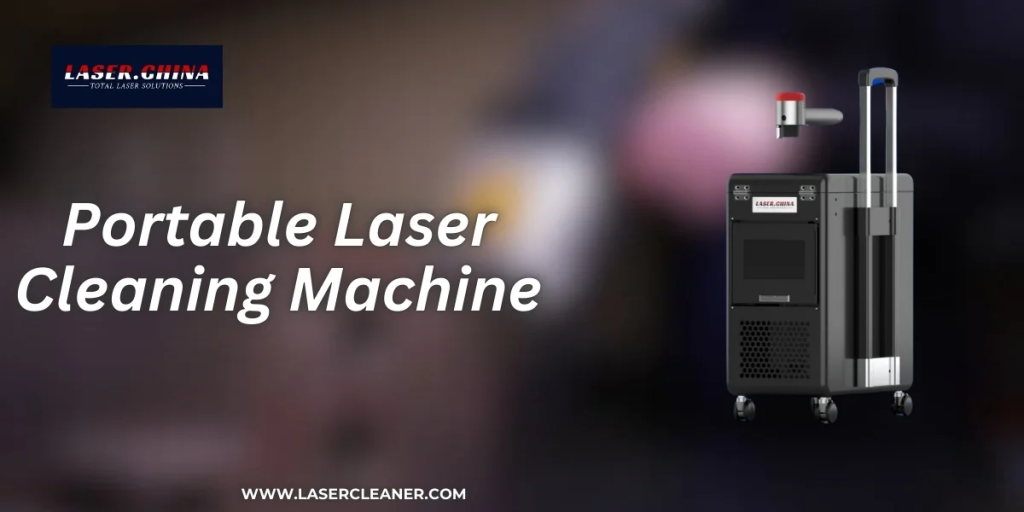
While portable laser cleaning machines are designed to be user-friendly, they still require some level of training to operate safely. Inexperienced users may unknowingly make errors, which can result in accidents or inefficient cleaning.
Why Training is Essential
Portable laser cleaning machine come with user manuals, safety guidelines, and, in many cases, online tutorials or instructional videos. Familiarizing yourself with the equipment’s features and limitations will help you avoid common mistakes, such as operating the machine at the wrong power settings or failing to properly secure the machine.
Tip: Take time to read the manual and watch tutorial videos. If you’re unsure about how to operate the machine safely, consider seeking guidance from the manufacturer or attending a training session.
Real-World Example: A survey conducted by Laser Technology Inc. in 2020 found that 42% of home users had little to no understanding of their portable laser cleaning machine’s capabilities, leading to operational mistakes. For example, some users unknowingly operated the machine at higher power levels than necessary, leading to excessive wear on the machine or unintended surface damage.