Metal surface treatment is a critical process in nearly every industry that relies on metal components, from automotive and aerospace to shipbuilding and heavy manufacturing. Proper cleaning and preparation of metal surfaces not only ensure the longevity and durability of components but also enhance adhesion for coatings, paints, and protective layers.
Traditional methods such as sandblasting, chemical baths, grinding, or wire brushing have been widely used for decades. While effective, these techniques often present significant challenges: they are labor-intensive, time-consuming, and can damage delicate metal surfaces. Moreover, chemical cleaning can produce hazardous waste, while abrasive methods may create dust and particles that are harmful to both the environment and workers.
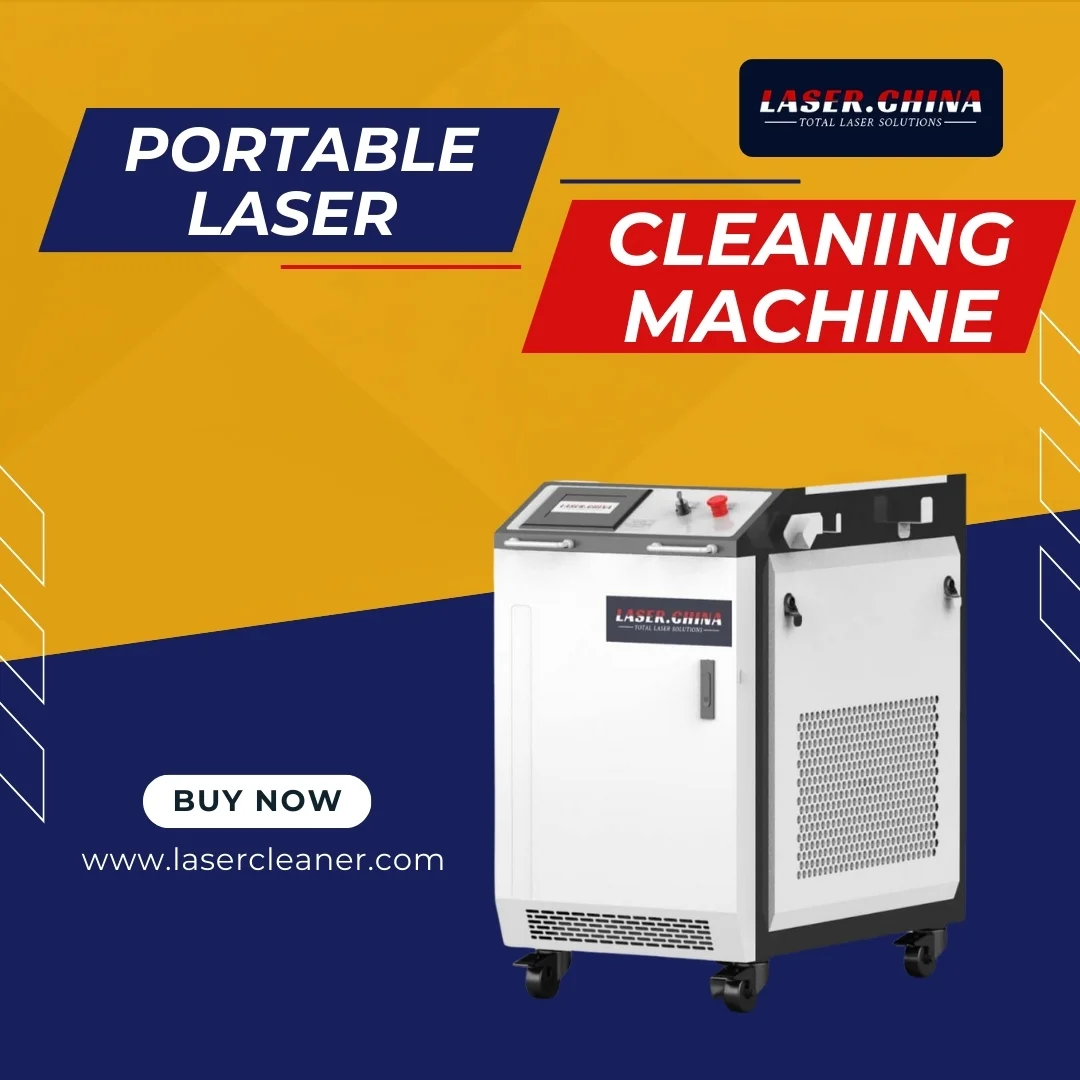
In recent years, the emergence of portable laser cleaning machine has revolutionized how industries approach metal surface treatment. These machines use high-intensity laser pulses to remove rust, paint, oil, and oxide layers with precision, speed, and minimal environmental impact.
Unlike traditional methods, laser cleaning preserves the underlying metal while delivering faster and more efficient results. Its versatility makes it suitable for complex geometries and hard-to-reach areas, transforming the standards of industrial cleaning.
In this guide, we will explain the working principles, applications, advantages, and step-by-step usage of portable laser cleaning machines.
Table of Contents
- Portable Laser Cleaning Machine Revolutionizing Metal Surface Treatment
Portable Laser Cleaning Machine Revolutionizing Metal Surface Treatment
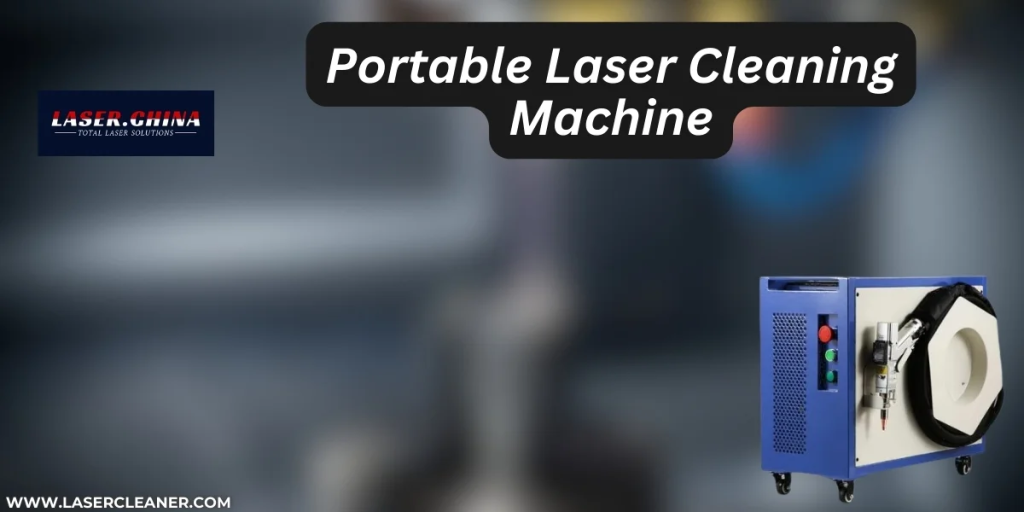
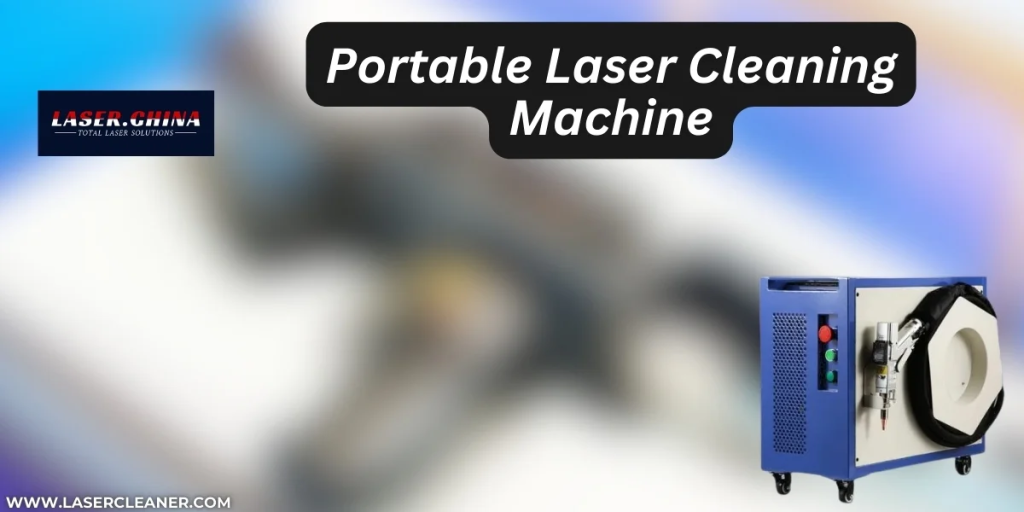
A portable laser cleaning machine uses high-intensity laser beams to remove unwanted surface layers from metal. The principle behind laser cleaning is ablation, where the laser’s energy rapidly heats and vaporizes contaminants such as rust, paint, oil, or oxide. The underlying metal is left intact, ensuring no structural damage occurs.
Modern portable laser cleaning machines consist of:
- Laser generator: Produces high-intensity laser beams, often using fiber laser technology for precision and energy efficiency.
- Handheld laser head: Directs the laser beam onto the target surface, allowing operators to reach specific areas or complex geometries.
- Cooling system: Maintains safe operating temperatures to prevent overheating and maintain performance.
- Control interface: Allows adjustment of power, pulse frequency, and scanning speed based on the type of contamination and metal.
The laser can be adjusted to handle different thicknesses and types of contaminants. For instance, light oxidation can be removed with low laser intensity, while thick rust or paint layers may require higher power or multiple passes. Unlike sandblasting or chemical cleaning, this process produces minimal waste, reduces environmental impact, and is safe for indoor operations.
Step-by-Step Guide to Using a Portable Laser Cleaning Machine
To maximize efficiency, safety, and results, using a portable laser cleaning machine requires a careful, step-by-step approach. Each step involves preparation, execution, and post-cleaning checks.
Step 1: Surface Assessment
Before using a portable laser cleaning machine, it is crucial to evaluate the surface condition. Identify the type of contaminant (rust, paint, oil, or oxide), its thickness, and the underlying metal type. This assessment ensures the correct laser settings are used, prevents damage, and improves efficiency.
Practical Tips:
- Use visual inspection and, if available, non-destructive testing methods to determine contaminant thickness.
- Consider the metal type—aluminum, steel, copper, and titanium react differently to laser energy.
- Identify areas that are hard to reach or sensitive, which may require lower laser intensity.
Example: In automotive restoration, technicians inspect car chassis panels for rust patches before adjusting the laser machine’s power settings. This ensures complete rust removal without affecting thin sheet metal.
Step 2: Preparing the Equipment
Proper preparation of the portable laser cleaning machine is essential for safe and effective operation.
Setup Procedure:
- Connect the handheld laser head to the laser generator.
- Ensure the cooling system is properly connected and functioning. Many machines use water or air cooling systems.
- Check the control interface and adjust the laser parameters—power, pulse frequency, and scanning speed—based on surface type.
- Verify that all safety equipment is in place: protective goggles, gloves, face shields, and adequate ventilation.
Practical Tip: Always start with lower laser power to test the surface response. Gradually increase the intensity for thicker or stubborn contaminants.
Step 3: Safety Precautions
Laser cleaning involves high-intensity beams that can be hazardous if not handled properly. Following safety protocols ensures the well-being of operators and bystanders.
Essential Safety Measures:
- Wear certified laser safety goggles specific to the laser wavelength.
- Use gloves and protective clothing to prevent burns or eye exposure.
- Restrict access to the work area to authorized personnel only.
- Ensure proper ventilation to remove vaporized material.
- Avoid reflective surfaces that could redirect the laser beam unexpectedly.
Example: In a shipyard, operators cordon off the cleaning area and place warning signs while using laser cleaning machines to remove rust from hull surfaces.
Step 4: Performing the Cleaning Process
Once the surface assessment and equipment setup are complete, begin the laser cleaning process.
Execution Guidelines:
- Hold the laser head at a consistent distance from the surface (typically 50–150 mm depending on the machine and contaminant type).
- Move the laser head in smooth, controlled motions to ensure even cleaning.
- Monitor the surface continuously to prevent overheating or over-cleaning.
- Adjust laser parameters as needed based on real-time observations.
Practical Tip: Avoid stopping the laser in one spot for too long, as this can cause heat damage. For thick contaminants, multiple passes are preferable to one high-intensity pass.
Example: In aerospace maintenance, turbine blades are cleaned using a slow, overlapping motion to remove oxidation while preserving the metal’s microstructure.
Step 5: Post-Cleaning Inspection
After cleaning, it is critical to inspect the surface to ensure the contaminant has been removed uniformly. This step verifies the quality of the cleaning process and identifies any areas that may need additional attention.
Inspection Methods:
- Visual inspection under proper lighting conditions.
- Use of non-destructive testing, such as ultrasonic thickness measurement, to ensure metal integrity.
- Surface roughness analysis if the part will be painted, coated, or welded.
Practical Tip: For critical components, perform a final pass with low-intensity laser cleaning to remove microscopic residues and prepare the surface for the next process.
Step 6: Surface Preparation for Next Steps
After cleaning, the metal surface is typically ready for further processing, such as painting, coating, welding, or assembly. A properly cleaned surface improves adhesion, prevents corrosion, and enhances overall product quality.
Example: A manufacturing plant cleans molds and dies using portable laser machines. The cleaned surfaces allow for precise coating applications, improving production quality and reducing defects.
Step 7: Machine Maintenance and Care
Maintaining a portable laser cleaning machine is essential for long-term performance and safety.
Maintenance Tips:
- Clean the laser optics regularly to prevent contamination buildup.
- Check and maintain the cooling system to avoid overheating.
- Inspect the laser head and cables for wear or damage.
- Store the machine in a clean, dry environment when not in use.
- Perform periodic calibration to ensure consistent laser output.
Practical Tip: Keep a maintenance log to track service schedules and part replacements, improving reliability and lifespan.
Applications Across Industries
Automotive Industry: Laser cleaning machines remove rust, paint, and adhesives efficiently. Pre-paint surface preparation improves coating adhesion, reduces defects, and minimizes labor.
Aerospace Industry: Aircraft parts require precise cleaning. Portable laser machines remove oxidation from turbines, landing gear, and fuselage panels without damaging alloys.
Shipbuilding and Marine Industry: Hull surfaces accumulate rust and barnacles. Laser cleaning provides fast, environmentally friendly removal, improving coating durability.
Manufacturing and Heavy Industry: Industrial molds, dies, and tools require frequent cleaning. Laser cleaning reduces downtime, improves precision, and extends equipment life.
Energy and Power Industry: Pipelines, turbines, and generators benefit from rust and scale removal without dismantling, reducing downtime and extending operational life.
Art and Restoration: Laser cleaning preserves sculptures, monuments, and historical artifacts, removing dirt or corrosion without damaging original materials.
Advantages of Portable Laser Cleaning Machines
- Precision: Targets only contaminants, leaving the metal surface intact.
- Eco-Friendly: No chemical waste or abrasive residue.
- Time-Efficient: Faster than traditional cleaning methods.
- Versatility: Effective on rust, paint, oil, and oxide layers.
- Safety: Reduced exposure to chemicals and dust for operators.
- Maintenance: Lower long-term equipment maintenance requirements.
Case Study: A German manufacturer integrated portable laser machines to clean molds, reducing cleaning time by 50% and chemical usage by 70%, while improving the quality of final products.
FAQs About Portable Laser Cleaning Machines
Q1: Are they safe for operators? Yes, with proper protective gear and training.
Q2: Can they clean all metals? Most metals respond well, though thick coatings may require multiple passes.
Q3: How portable are these machines? Modern designs are lightweight and handheld, ideal for onsite applications.
Q4: What maintenance is required? Cleaning optics, checking cooling systems, and verifying laser output are essential.
Q5: Are they environmentally friendly? Yes, they eliminate chemical waste and reduce dust.
Final Thoughts
The demand for cleaner, safer, and more efficient metal surface treatment methods has never been greater. Traditional cleaning approaches, while familiar, often fall short in terms of speed, precision, and environmental responsibility. The portable laser cleaning machine has emerged as a groundbreaking solution, offering industries a reliable way to remove rust, paint, oil, and oxides without damaging the base material.
By combining mobility with advanced laser technology, these machines give technicians the flexibility to perform high-quality cleaning on-site, whether in factories, workshops, shipyards, or even during field maintenance. They reduce downtime, cut costs, and minimize environmental risks, making them a valuable investment for businesses looking to modernize their operations.
As industries continue to evolve, the role of portable laser cleaning machines will only expand. Their ability to deliver precise, eco-friendly, and long-lasting results positions them as a core technology in the future of industrial cleaning and metal restoration.