Rust is more than a cosmetic issue — it’s a progressive form of metal degradation that can weaken structures, compromise safety, and shorten the lifespan of valuable equipment. For industries working with steel, iron, and alloys, rust control is a constant battle.
Traditional methods like sandblasting, wire brushing, and chemical treatments have been used for decades, but each comes with trade-offs such as material loss, surface damage, environmental concerns, or intensive labor.
In recent years, laser rust remover have emerged as a precise, efficient, and eco-friendly alternative. They use targeted laser pulses to remove oxidation without grinding away healthy metal, making them attractive for delicate restorations and high-value machinery. But when rust has penetrated deeply, creating pits and material loss, the question becomes: How effective can a laser rust remover be?
This is not just a matter of cleaning — it’s about understanding the limits of restoration and the realities of what laser technology can and cannot achieve. In this guide, we will explain.
Table of Contents
- Laser Rust Remover How Well It Restores Deeply Corroded Metal
- How a Laser Rust Remover Works
- What “Deeply Corroded” Means in Practice
- Performance of Laser Rust Removers on Deep Corrosion
- Limitations on Deeply Corroded Metal
- Why Laser Beats Other Methods in Deep Rust Cleaning
- When to Use Laser Rust Removal
- When a Laser Rust Remover Isn’t Enough
- Cost Considerations
- Future Potential
- Maintenance Practices for a Laser Rust Remover
- Safety Considerations When Operating a Laser Rust Remover
Laser Rust Remover How Well It Restores Deeply Corroded Metal
Rust is a persistent and destructive form of corrosion that occurs when iron or steel reacts with oxygen and moisture. Over time, this chemical reaction creates iron oxide, which gradually weakens metal components and can lead to structural failure.
Industries such as manufacturing, automotive, shipping, and construction spend considerable resources addressing rust because untreated corrosion can cause costly downtime, equipment replacement, and safety hazards.
Traditional rust removal methods, including sandblasting, wire brushing, and chemical treatments, can be effective but often bring their own drawbacks. They may remove healthy metal, leave uneven surfaces, produce hazardous waste, or require significant manual effort.
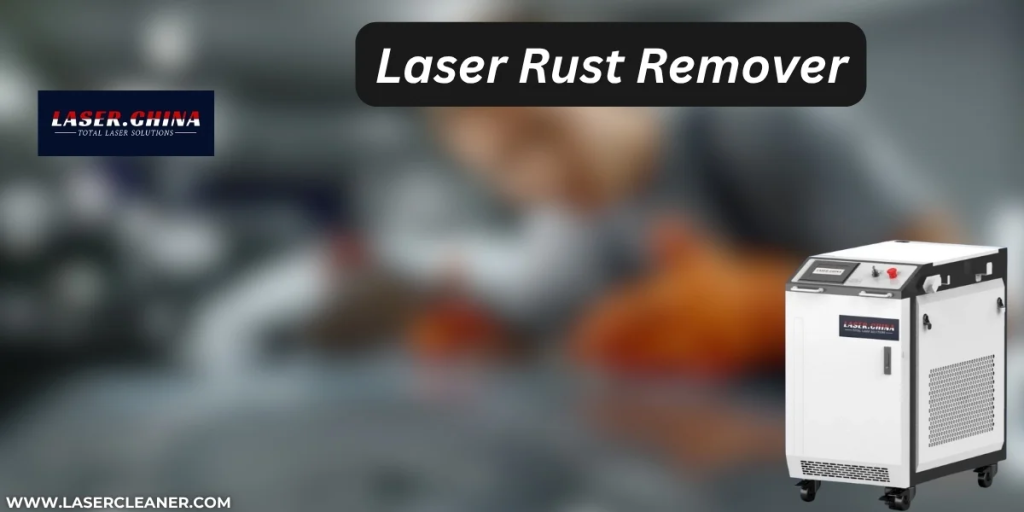
A laser rust remover offers an advanced solution that addresses these issues by using targeted laser energy to remove rust without physically touching the surface. This method allows precise cleaning while protecting the base material from unnecessary wear.
However, when corrosion is severe and penetrates deep into the metal, questions arise about whether the technology can restore the component to a usable state. To answer that, we need to examine exactly how the process works, what it can achieve, and where its limits are in dealing with deeply corroded metal.
How a Laser Rust Remover Works
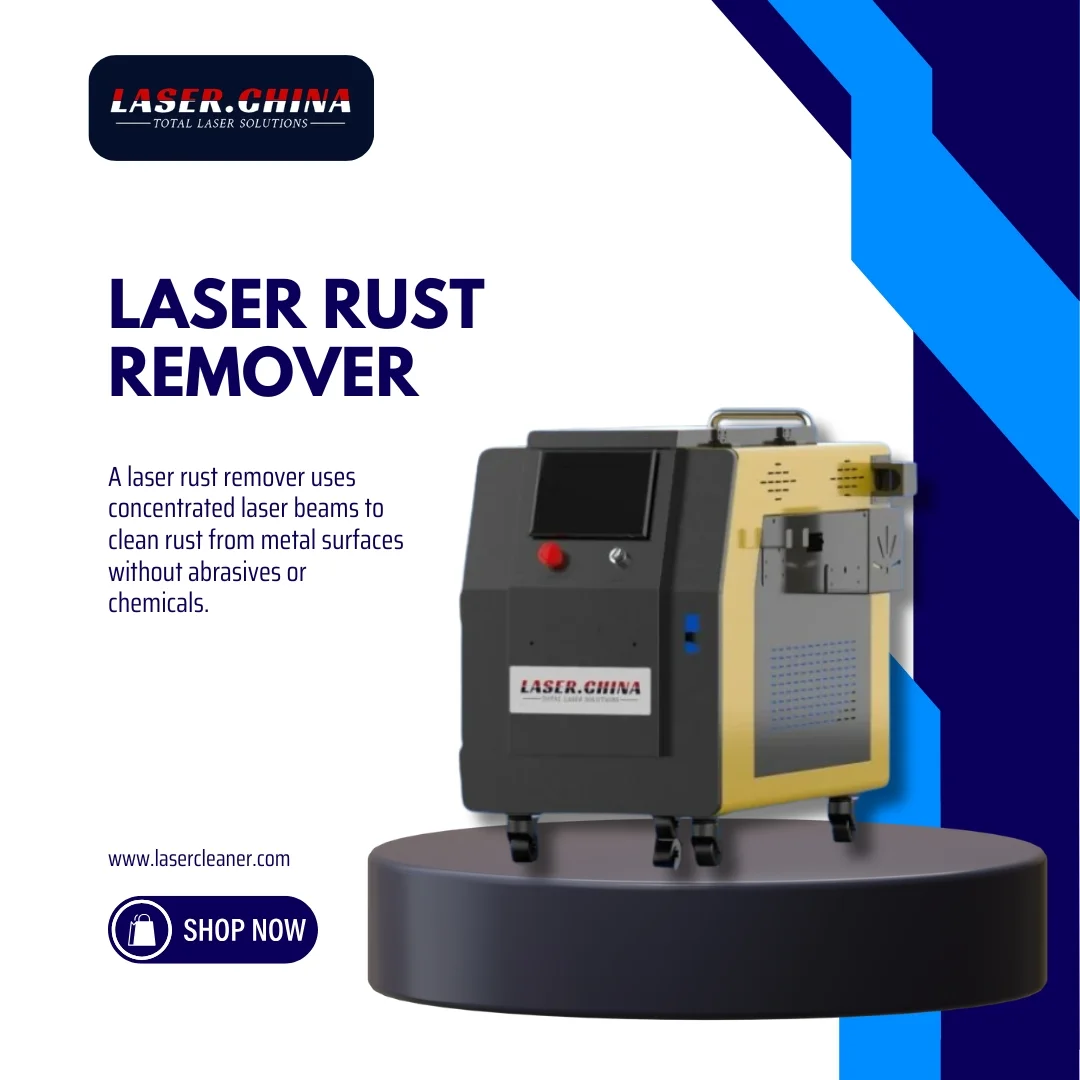
A laser rust remover operates on the principle of selective laser ablation. The device produces a concentrated beam of light that is absorbed more efficiently by rust than by bare metal. This difference in absorption occurs because rust has different optical properties compared to clean metal.
When the laser beam is directed at a corroded surface, the rust layer heats rapidly and either vaporizes into fine particles or is ejected from the surface, leaving the underlying metal intact.
The process is precise because the laser’s wavelength, pulse duration, and power level are carefully controlled. These settings ensure that the energy is sufficient to break down rust but not so high that it damages the base material. The beam is moved across the surface in a controlled pattern, allowing complete coverage without overexposure in any single area.
As a result, the metal beneath remains structurally unchanged, and no grinding or abrasion is needed to reach clean metal. This makes the laser rust remover particularly useful for applications where material preservation is critical.
What “Deeply Corroded” Means in Practice
Corrosion can range from minor surface discoloration to severe pitting and structural damage. Surface rust is typically easy to remove because it only affects the top layer of the material. Moderate corrosion involves some pitting and minor metal loss but usually retains most of the part’s original thickness.
Deep corrosion, however, is characterized by significant pitting, deep penetration into the metal, and measurable loss of structural mass.
When metal has reached this stage, cleaning it will remove the visible rust but cannot reverse the material loss. The pits and depressions left behind after cleaning are evidence of where the metal has already been consumed by corrosion. A laser rust remover can clean these pits thoroughly, removing all oxidation and preventing further spread, but it cannot replace the lost material.
The result is a surface that may be clean and ready for coating but not necessarily restored to its original strength. Understanding this distinction is key to setting realistic expectations for laser cleaning in deep corrosion scenarios.
Performance of Laser Rust Removers on Deep Corrosion
On deeply corroded surfaces, a laser rust remover can achieve a complete removal of rust from the exposed and recessed areas. Its precision allows it to target rust inside pits and crevices that might be missed by other methods. Once cleaned, the surface is bare metal with no oxidation, making it ideal for protective treatments such as primers, paints, or coatings.
However, the cleaning process will not change the physical profile of the metal. Deep pits remain visible and may affect the appearance or function of the part. The time required for cleaning also increases with the severity of corrosion because multiple passes may be necessary to reach the base material in heavily rusted areas.
Despite this, the process is controlled and consistent, ensuring that no additional healthy metal is removed, which is especially important for components where tolerances are critical.
Limitations on Deeply Corroded Metal
While a laser rust remover is effective at eliminating oxidation, it cannot reverse the damage caused by long-term corrosion. Metal loss, once it has occurred, is permanent unless the material is rebuilt through welding or filled with a suitable repair compound. In cases where deep corrosion has compromised the structural integrity of a component, cleaning alone is not enough to restore its function.
Accessibility is another limitation. A laser rust remover works best on surfaces that are directly exposed to the beam. Areas hidden inside joints, enclosed spaces, or complex assemblies may remain unreachable without disassembly.
Additionally, although the heat generated by laser cleaning is minimal compared to other methods, improper settings or prolonged exposure can still cause minor surface effects on sensitive alloys, making operator training and correct configuration essential.
Why Laser Beats Other Methods in Deep Rust Cleaning
The advantage of a laser rust remover lies in its precision and selectivity. Unlike sandblasting, which removes material indiscriminately, the laser targets only the rust layer. This is crucial for preserving the remaining thickness of a deeply corroded part. Furthermore, laser cleaning does not rely on abrasive media or chemicals, which means there is no waste material to dispose of beyond the fine particles of rust itself.
The process is also cleaner and safer for operators when used with proper fume extraction. It can be applied to complex geometries and delicate surfaces without altering their dimensions, which is important in industries where even small changes in surface profile can affect performance.
By avoiding unnecessary material loss, laser rust removal extends the usable life of components that might otherwise be damaged further by traditional cleaning methods.
When to Use Laser Rust Removal
Laser rust removal is most effective in situations where preserving the base material is as important as removing the corrosion. This includes precision machinery, tools with tight tolerances, and historical or decorative items where maintaining the original surface profile matters. It is also beneficial when environmental regulations or workplace safety requirements limit the use of abrasive blasting or chemical stripping.
In the case of deep corrosion, laser rust removal serves as a preparation step. By removing all traces of oxidation, it creates a clean surface for coatings, welding, or other restoration work.
This improves adhesion and ensures that repairs will last longer because there is no remaining rust to continue the corrosion process beneath the new surface treatment.
When a Laser Rust Remover Isn’t Enough
There are situations where a laser rust remover cannot achieve complete restoration on its own. If corrosion has significantly reduced the thickness of the metal, the structural strength may be compromised even after cleaning. In such cases, additional work is needed to repair or reinforce the part.
Similarly, if rust is located in areas that the laser beam cannot reach directly, it will remain untreated unless the part is disassembled or modified for access.
Cost can also be a factor. While the long-term operating expenses of laser cleaning are low, the initial investment in high-quality equipment can be substantial. For smaller operations or occasional use, this cost may be difficult to justify unless the benefits outweigh the expense in terms of reduced labor, waste, and material loss.
Cost Considerations
The cost of using a laser rust remover depends largely on the equipment’s power output and intended application. Lower-powered handheld units are less expensive and suitable for small-scale work but clean more slowly. High-powered industrial systems capable of handling large surfaces quickly are more expensive to purchase but may offer better efficiency for frequent use.
Ongoing costs are minimal compared to abrasive or chemical methods, as there are no consumables and little maintenance beyond cleaning optical components and ensuring proper operation. Over time, these savings, combined with the ability to preserve valuable components, can make the investment worthwhile for many industrial users.
Future Potential
The technology behind laser rust removers is continuing to evolve. New developments in beam control, energy efficiency, and integration with automated systems are expanding their capabilities. There is growing interest in combining laser cleaning with surface texturing in a single process, allowing metal to be both cleaned and prepared for coating in one step.
These advancements suggest that in the future, laser rust removers will not only clean corrosion more efficiently but also improve the overall restoration process by reducing the number of steps required. This could make them even more valuable in industries where corrosion control is a constant priority.
Maintenance Practices for a Laser Rust Remover
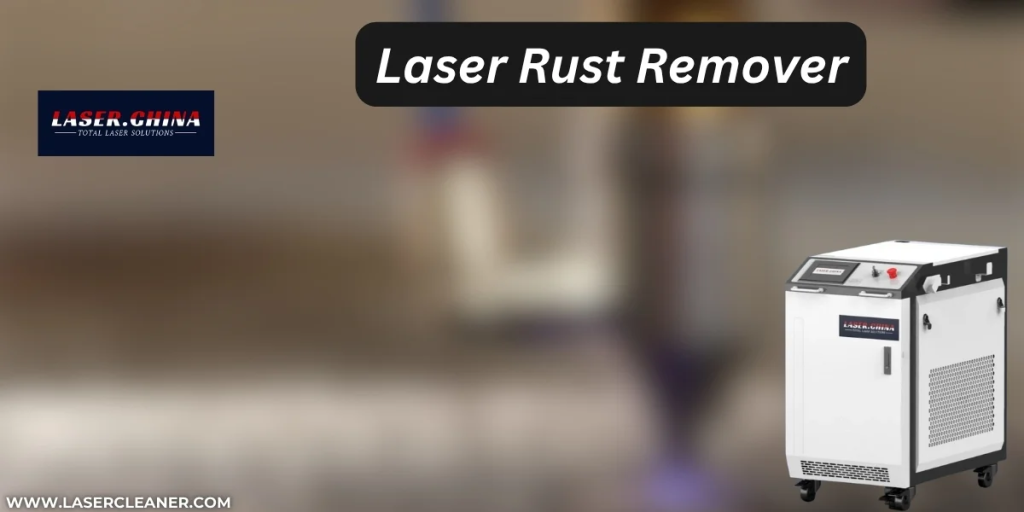
To keep a laser rust remover operating at peak efficiency, regular maintenance is essential. Although these systems are designed for durability, their performance depends on clean optics, stable power delivery, and proper cooling. Dust or rust particles can accumulate on the protective lens during cleaning operations, which can reduce beam quality and cleaning efficiency. Periodically inspecting and cleaning the lens with manufacturer-approved materials helps maintain consistent performance.
The cooling system, whether air- or water-based, must be checked to ensure it is free from blockages and operating at the correct temperature range. Overheating can cause premature wear to internal components and reduce the lifespan of the laser source.
It is also important to store the equipment in a clean, dry environment to prevent contamination of sensitive parts. By following a structured maintenance schedule, users can extend the service life of their laser rust remover, minimize downtime, and ensure consistent cleaning results.
Safety Considerations When Operating a Laser Rust Remover
A laser rust remover is a powerful industrial tool, and its safe operation requires proper training and protective measures. The laser beam is capable of causing eye and skin injury if exposed directly, so operators must wear certified laser safety goggles matched to the device’s wavelength. Protective clothing can also shield against accidental beam reflection and heat exposure.
In addition to personal safety, the process of laser cleaning generates fine dust and vaporized particles from the removed rust layer. These should be captured with a fume extraction system to prevent inhalation and keep the work area clean.
The operating space should be restricted to trained personnel only, with clear warning signs to alert others of laser activity. By combining correct equipment handling, proper protective gear, and effective workspace control, operators can take full advantage of the precision and efficiency of a laser rust remover without compromising safety.
Final Thoughts
Laser rust removers represent a significant advancement in corrosion cleaning technology. Their ability to precisely remove rust without damaging the underlying metal makes them a valuable tool in industries where preserving material integrity is critical. While they excel at cleaning surfaces deeply affected by rust, it is important to recognize that laser cleaning alone cannot restore lost metal or fix structural damage caused by severe corrosion.
For deeply corroded metal, laser rust remover serve as an effective first step in the restoration process, preparing surfaces for protective coatings, welding, or further repair. Their efficiency, environmental benefits, and minimal waste generation make them a practical alternative to traditional abrasive or chemical methods.
By understanding both their capabilities and limitations, users can make informed decisions about when and how to use laser rust removal. Proper maintenance and safety practices further ensure that the equipment delivers consistent, reliable results over time. In the ongoing challenge of corrosion control, laser rust removers offer a precise, controlled, and forward-looking solution.