Restoring a car to its former glory is a meticulous process that requires precision, care, and the right tools. One of the most challenging obstacles restorers face is rust, a common yet destructive issue that can undermine both the appearance and the structural integrity of a vehicle. While rust removal methods like sandblasting, grinding, and chemical treatments have been staples in the automotive restoration world, these techniques often come with significant drawbacks, such as potential damage to the surrounding surfaces, health and environmental concerns, and the need for additional steps to smooth or protect the metal after treatment.
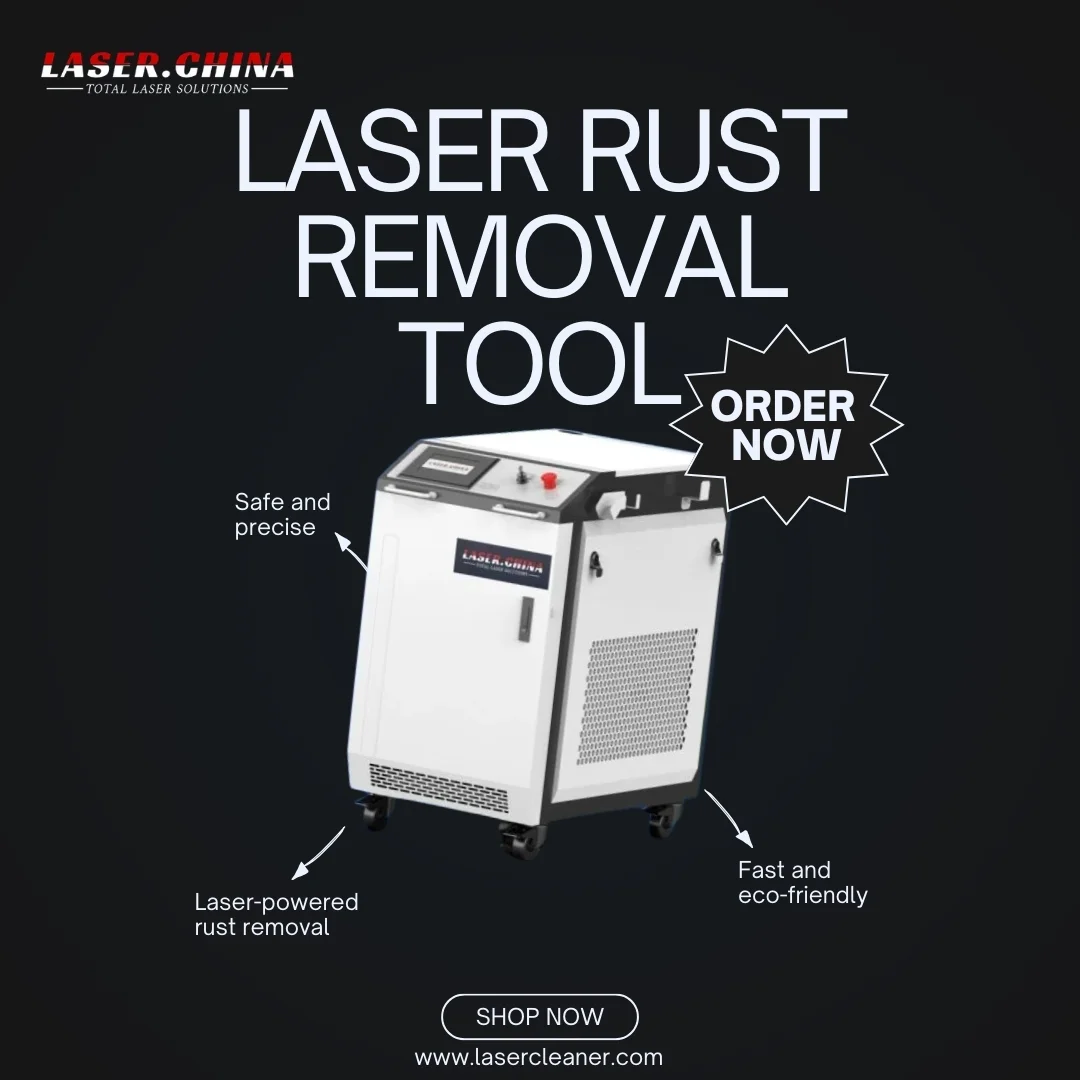
In recent years, the emergence of laser rust removal technology has dramatically shifted the landscape of rust elimination. The laser rust removal tool offers a cutting-edge solution that is precise, efficient, and safe for the metal surfaces it targets. By using focused, high-powered laser beams, this tool removes rust without physically contacting the metal, preserving the integrity of the underlying material. The result is a clean, smooth surface ready for further restoration, whether it’s painting, priming, or coating.
This tool’s revolutionary approach combines speed with unmatched precision, making it particularly valuable for restoring classic cars, motorcycles, and other vintage vehicles where maintaining the original structure is crucial.
Table of Contents
- Laser Rust Removal Tool Unleashing the Power of Precision in Car Restoration
- Understanding Rust and the Need for Its Removal
- Traditional Rust Removal Methods: Limitations and Challenges
- How Laser Rust Removal Works
- Advantages of Laser Rust Removal in Car Restoration
- Real-World Applications of Laser Rust Removal in Car Restoration
- Challenges and Considerations
- The Future of Laser Rust Removal in Car Restoration
Laser Rust Removal Tool Unleashing the Power of Precision in Car Restoration
Restoring a car is an art. It takes patience, skill, and the right tools to bring an old, rusted vehicle back to life. One of the most common, yet most challenging, issues faced by restorers is rust. Rust not only tarnishes the appearance of a vehicle but can also weaken its structure, leading to potential safety hazards. Over the years, automotive restoration professionals have had to contend with methods like sandblasting, chemical treatments, and grinding to remove rust. While these techniques are effective, they often come with their own set of drawbacks: abrasiveness, the risk of damaging surrounding surfaces, and the use of harsh chemicals that can have environmental and health implications.
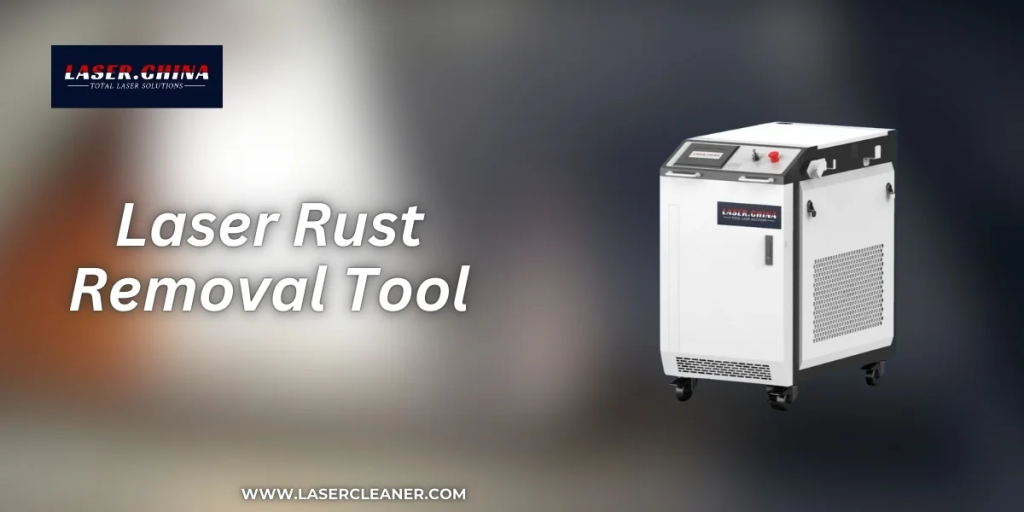
Enter the laser rust removal tool, a game-changer in the world of automotive restoration. The introduction of laser technology into rust removal has brought an unprecedented level of precision, efficiency, and safety to the process.
Understanding Rust and the Need for Its Removal
Rust is a common problem for vehicles, particularly those exposed to moisture, road salts, or salty coastal air. Rust occurs when metal, particularly iron and steel, reacts with oxygen and water. This reaction forms iron oxide, commonly known as rust. Over time, rust will spread, gradually eating away at the metal and causing it to lose its strength. In the context of cars, rust is not just a cosmetic issue. It can weaken the structural components of a vehicle, leading to safety concerns, especially if it appears in critical areas such as the frame, wheel wells, or undercarriage.
While some rust might be superficial, it can eventually spread deep into the metal, leading to costly repairs or even making the car unsafe to drive. Removing rust is therefore essential in restoring the vehicle to its original condition and ensuring that it remains roadworthy. The challenge lies in removing the rust without damaging the metal beneath or affecting the car’s aesthetics.
Traditional Rust Removal Methods: Limitations and Challenges
Before laser technology came into play, the most commonly used methods for rust removal in car restoration were sandblasting, grinding, and chemical treatments. Each of these methods has its own set of pros and cons:
- Sandblasting: This method involves blasting abrasive materials at the rusted surface to remove the rust. While sandblasting is effective at removing rust quickly, it has a significant drawback: it can damage the surrounding metal or paint. Additionally, sandblasting can create an uneven surface, which might require further work to smooth out. The abrasive materials used in sandblasting also produce a considerable amount of dust, which can be a health hazard if inhaled.
- Grinding: Grinding is another common rust removal method. It uses a rotating abrasive wheel to scrape away rust from the surface. While effective, grinding can also remove parts of the metal along with the rust, leading to thinning of the material and, in some cases, weakening the vehicle’s structure. Additionally, grinding often leaves behind scratches or grooves that can affect the appearance of the vehicle.
- Chemical Rust Removers: These are chemical solutions that react with the rust to break it down, making it easier to remove. While chemical rust removers are effective at eliminating rust, they often come with several disadvantages. The chemicals used in these solutions can be toxic, requiring careful handling and disposal. They may also leave behind residues that could damage the car’s paint or coatings if not thoroughly rinsed off.
These methods, while functional, often leave room for improvement in terms of precision, safety, and efficiency. This is where laser rust removal tools come in.
How Laser Rust Removal Works
The core principle behind the laser rust removal tool is simple: it uses high-powered laser beams to target and remove rust from the surface of metal. The technology works through the process of laser ablation. Here’s a detailed breakdown of how the tool operates:
- Laser Generation: The laser rust removal tool emits a concentrated beam of light, usually in the infrared spectrum. This laser is finely focused on the rusted area of the vehicle.
- Thermal Reaction: When the laser beam hits the rusted surface, the rust absorbs the laser’s energy, causing the temperature of the rust to rise significantly. This rapid heating causes the rust to decompose, either flaking off or turning into vapor. The laser’s precision ensures that only the rust is affected, leaving the underlying metal untouched.
- Non-Contact Process: Unlike abrasive methods, lasers do not come into physical contact with the vehicle’s surface. This means there’s no risk of scratching or damaging the metal beneath the rust. The laser is applied with extreme precision, meaning that it can remove even the most delicate layers of rust without affecting the underlying material.
- Removal of Rust: As the rust flakes off or evaporates due to the laser’s heat, the surface beneath is left clean. This allows for a smooth, rust-free surface that is ready for further restoration steps, such as priming, painting, or coating.
The result is a highly effective, non-invasive process that eliminates rust while preserving the integrity of the vehicle’s metal.
Advantages of Laser Rust Removal in Car Restoration
There are numerous benefits to using a laser rust removal tool in car restoration. These advantages make it the preferred choice for professionals who demand precision, efficiency, and safety in their work.
1. Precision and Control
One of the primary advantages of laser rust removal tool is its precision. The laser can be finely tuned to focus on specific areas of rust without affecting the surrounding metal. This level of control is particularly important in car restoration, where the goal is to remove rust without damaging the vehicle’s original parts. Whether it’s a delicate area with intricate design or a rusted frame that requires careful handling, the laser can be adjusted to suit the specific needs of the job.
2. No Damage to Underlying Metal
Unlike abrasive methods such as sandblasting or grinding, which can remove layers of metal along with the rust, the laser only affects the rust. Since the process is non-contact, the underlying metal remains intact. This is particularly important when working with classic cars or vintage vehicles, where preserving the original metal is crucial to maintaining the car’s authenticity. The laser doesn’t leave any scratches, grooves, or surface defects, which makes it ideal for restoration projects where appearance matters.
3. Speed and Efficiency
Laser rust removal tool is a fast and efficient process. Traditional methods can be time-consuming and labor-intensive, requiring multiple passes or stages to achieve the desired result. Laser technology, on the other hand, removes rust in a single pass with remarkable speed. It’s especially useful in large restoration projects or when working on tight schedules. Whether you’re working on a car frame, body panel, or wheel well, the laser tool can quickly and effectively remove rust without delays.
4. Environmental Friendliness
One of the significant advantages of laser rust removal tool over traditional methods is its environmental impact. Sandblasting and grinding produce a significant amount of dust and debris, which can be harmful to the environment and require careful disposal. Chemical rust removers, meanwhile, often contain toxic substances that must be handled with care. Laser rust removal, however, is a clean, dry process. It doesn’t generate harmful waste products and doesn’t require the use of hazardous chemicals. The waste generated consists mainly of rust flakes or vaporized particles, which are easy to collect and dispose of.
5. Cost-Effective in the Long Term
While the initial investment in a laser rust removal tool can be significant, it’s a cost-effective solution in the long run. The speed, efficiency, and precision of the tool make it an excellent investment for professional restorers. It reduces the time spent on rust removal, which translates into lower labor costs. Additionally, the laser’s ability to preserve the vehicle’s original metal means there’s less need for repairs or replacements of the underlying structure, ultimately saving money on extensive restoration work.
6. Versatility in Application
Laser rust removal tools are versatile and can be used on various materials, including steel, aluminum, and iron. This versatility makes them ideal not only for car restoration but also for motorcycle, truck, and industrial equipment restoration. The laser can effectively remove rust from different parts of the vehicle, whether it’s a large, flat surface or intricate, hard-to-reach areas.
Real-World Applications of Laser Rust Removal in Car Restoration
To understand the true value of laser rust removal tools, it’s important to look at real-world applications and case studies.
Case Study 1: Restoring a Classic Car Frame
A restoration professional working on a 1965 Ford Mustang encountered significant rust damage on the car’s frame. The frame was a critical component of the vehicle’s structure, and any damage to it could compromise the entire restoration project. The professional decided to use a laser rust removal tool, which allowed for precise rust removal without damaging the frame. The laser worked quickly to eliminate the rust without affecting the structural integrity of the metal, and the restorer was able to continue with the restoration process.
Case Study 2: Motorcycle Restoration
In a motorcycle restoration project, the restorer used a laser rust removal tool to remove rust from the motorcycle’s fuel tank and engine components. The tool was able to remove the rust without scratching the paint on the fuel tank or damaging the intricate parts of the engine. The process was quick and efficient, saving the restorer hours of labor compared to traditional methods.
Challenges and Considerations
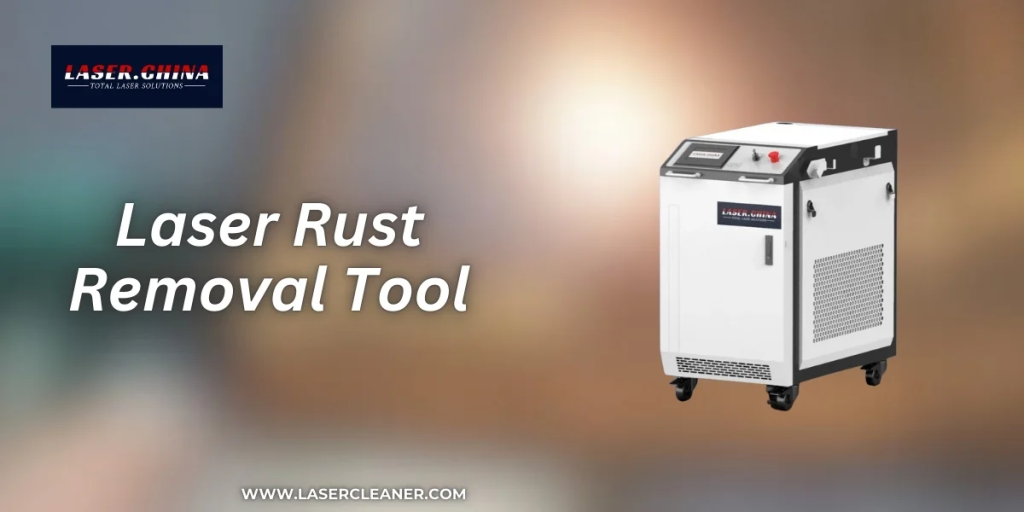
While laser rust removal tools offer many benefits, there are a few challenges to consider:
- High Initial Investment: The cost of purchasing a laser rust removal tool can be high. For small shops or individual restorers, the initial investment may be a barrier to entry. However, the tool’s long-term cost savings, due to increased efficiency and precision, can offset the initial cost.
- Training and Skill: Operating a laser rust removal tool requires skill and training. To get the best results and avoid damaging the vehicle, operators must be well-versed in how to adjust the laser’s intensity, focus, and power.
- Limited to Surface Rust: While lasers are highly effective at removing surface rust, they may not be as effective on deeply ingrained rust or rust that has penetrated the metal. In such cases, additional treatments may be necessary.
The Future of Laser Rust Removal in Car Restoration
As laser technology continues to evolve, we can expect further advancements in laser rust removal. With the potential for increased affordability and improved capabilities, the laser rust removal tool is likely to become even more integral to automotive restoration. For restorers looking to provide high-quality, efficient, and environmentally friendly services, the laser rust removal tool is a valuable asset.