Rust is one of the most common and persistent problems affecting metal surfaces, from everyday household tools and kitchen utensils to large industrial machinery and structural components. Over time, exposure to moisture, oxygen, and environmental factors causes oxidation, leading to corrosion that can weaken metals, reduce their lifespan, and compromise their efficiency.
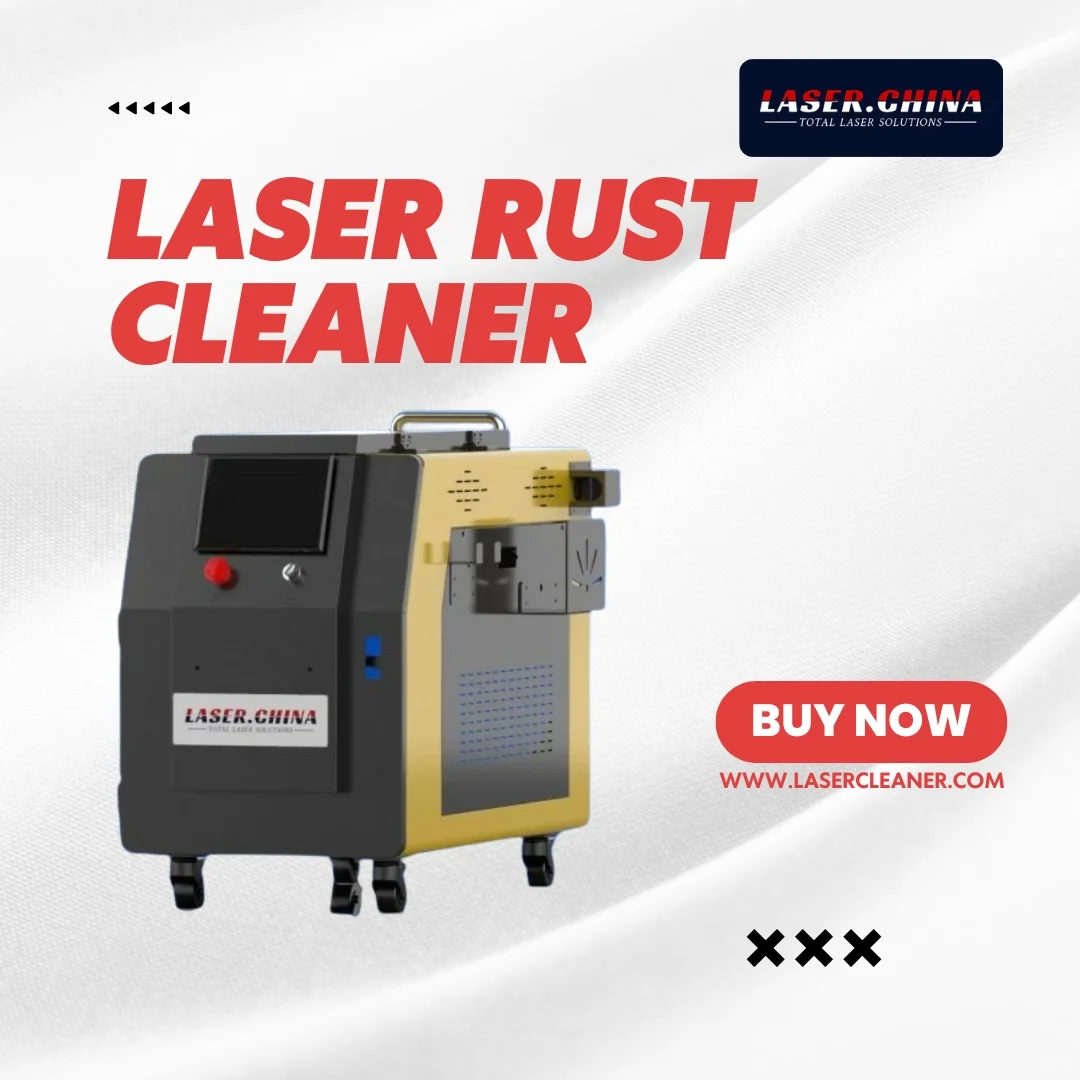
Traditional methods for removing rust, such as chemical treatments, wire brushing, grinding, or sandblasting, have been widely used for decades. However, these approaches often carry significant drawbacks—they can damage delicate surfaces, produce hazardous waste, require considerable physical effort, and pose health risks to users. In recent years, laser rust cleaner have emerged as a modern, precise, and environmentally friendly solution.
These devices use focused laser beams to safely remove rust without contacting or harming the underlying metal, making them suitable for both home enthusiasts and industrial professionals. With their growing popularity, understanding the proper techniques, safety precautions, and practical applications has become essential.
In this guide, we will explain how to use a laser rust cleaner safely and effectively, whether at home or in an industrial setting.
Table of Contents
- Laser Rust Cleaner Tips to Ensure Safe Usage at Home and Work
- Step 1: Preparing for Safe Laser Rust Cleaning
- Step 2: Surface Preparation
- Step 3: Setting the Laser
- Step 4: Performing the Cleaning
- Step 5: Post-Cleaning Treatment
- Industrial Laser Rust Cleaning
- Comparing Laser Cleaning With Traditional Methods
- Troubleshooting Common Issues
- Frequently Asked Questions
Laser Rust Cleaner Tips to Ensure Safe Usage at Home and Work
Rust has been a persistent challenge for humans ever since the first use of iron and steel. Metal tools, machinery, household items, and industrial structures all face the inevitable effects of corrosion over time. Rust is not just a cosmetic issue; it gradually weakens metal, reducing structural integrity, efficiency, and lifespan.
Traditional rust removal methods, such as wire brushing, sanding, grinding, and chemical treatments, can be effective but often have significant drawbacks. Chemical solvents can be toxic, abrasive methods may damage the metal, and many traditional techniques are labor-intensive and time-consuming. In this context, the laser rust cleaner has emerged as a modern, precise, and environmentally friendly solution.
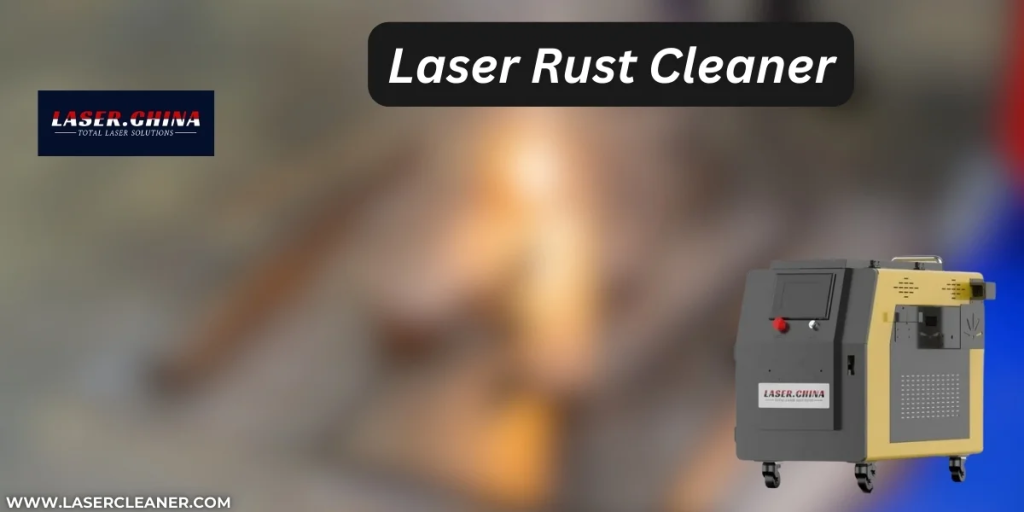
A laser rust cleaner uses highly concentrated laser beams to target rust and corrosion layers on metals. This process, known as laser ablation, vaporizes or removes rust without physically contacting the metal, preserving the underlying surface. The technology has rapidly gained popularity in both home and industrial settings because it is efficient, eco-friendly, and safer than traditional methods when used correctly. However, despite its precision and apparent simplicity, improper use can cause accidents, damage coatings, or even injure the operator.
Step 1: Preparing for Safe Laser Rust Cleaning
Proper preparation is the foundation of safe and effective laser rust cleaning. Before touching the device, inspect the work area and ensure it is suitable for laser operation. Remove any flammable materials, liquids, or reflective objects that could redirect the laser beam. A clean, organized workspace minimizes risks and allows the operator to focus fully on the cleaning process.
For home use, ensure there is proper ventilation to remove fine rust particles and fumes generated during cleaning. Even in small spaces, a simple exhaust fan or an open window can help maintain airflow. For industrial environments, dedicated fume extraction systems are recommended, along with restricted access to prevent unauthorized personnel from entering the laser zone.
Next, gather all personal protective equipment (PPE). Essential gear includes laser-rated safety goggles, gloves, long-sleeved clothing, and closed shoes. Eye protection is the most critical, as even brief exposure to the laser beam can cause permanent eye damage. Gloves and clothing protect against incidental contact and potential burns from reflective surfaces.
Finally, review the laser’s class and manual. Handheld models are often Class 1 or Class 3B, while industrial lasers may be Class 4. Understanding the device’s power, limitations, and safety protocols ensures you can operate it effectively without risk.
Step 2: Surface Preparation
Before activating the laser, prepare the surface for optimal results. Clean the metal item using a cloth to remove dirt, grease, oil, or loose debris. These contaminants can absorb or scatter the laser energy, reducing efficiency and potentially causing uneven cleaning.
For home projects, small tools, kitchen knives, or garden equipment should be secured using clamps or a stable surface to prevent movement. Industrial components may require jigs or robotic arms for precision cleaning, especially when dealing with heavy or awkwardly shaped parts.
It is advisable to inspect the surface carefully for sensitive coatings, thin areas, or delicate engravings. Testing the laser on a small, inconspicuous area allows you to determine the correct power settings and speed for the full cleaning process.
Step 3: Setting the Laser
Power adjustment is critical for effective and safe rust removal. Start at the lowest possible power and gradually increase if necessary. Lower settings are ideal for thin metals or delicate surfaces, while higher settings may be required for thicker rust layers or industrial machinery.
The laser distance and angle also affect results. Keep the device at a consistent distance from the surface, typically specified in the user manual. Maintain a perpendicular angle when possible to ensure uniform rust removal. Rapid or uneven movements can create streaks, incomplete cleaning, or surface damage.
Step 4: Performing the Cleaning
With the workspace prepared and the laser set, begin cleaning in slow, controlled passes. Avoid rushing; multiple light passes are more effective and safer than a single high-power pass. Move the laser in straight, overlapping lines to ensure consistent coverage.
For intricate surfaces, adjust the laser movement to follow contours or engravings carefully. Precision is one of the main benefits of laser rust cleaning, allowing you to remove rust from corners, edges, and fine details without damaging the metal.
During the process, frequently inspect the surface. If the rust is stubborn, increase the number of passes gradually rather than raising the power abruptly. This method ensures the underlying metal remains unharmed.
Practical Example: A hobbyist restored an antique garden shears set using a handheld laser rust cleaner. By moving the device slowly and performing multiple light passes, the rust was removed completely without scratching the metal or erasing decorative engravings.
Step 5: Post-Cleaning Treatment
After laser cleaning, it is essential to apply a post-treatment to protect the metal from future rust. This may include anti-corrosion oils, rust inhibitors, or protective coatings. While laser cleaning removes existing rust, it does not prevent future oxidation. Applying a protective layer enhances durability and reduces maintenance frequency.
Clean the laser device itself after use. Wipe the lens and check for dust or residue that may affect future performance. Proper storage in a dry environment helps prevent moisture damage and maintains the device’s lifespan.
Industrial Laser Rust Cleaning
Industrial applications require additional considerations. High-powered lasers clean heavy machinery, steel structures, and large industrial components efficiently. Automated systems, such as robotic arms or conveyor setups, allow precise control over speed, angle, and coverage.
Industrial safety protocols are stricter. Only trained personnel should operate Class 3B or Class 4 lasers. Controlled access zones, warning signs, protective barriers, and ventilation systems are mandatory. Regular maintenance, including lens cleaning, cooling system checks, and calibration, ensures consistent performance and safety.
Case Study: In a shipyard, a high-powered laser rust cleaner was used to remove corrosion from steel panels without dismantling parts of the hull. By using automated scanning and protective barriers, the operation was completed faster and safer than traditional sandblasting, with minimal environmental impact.
Comparing Laser Cleaning With Traditional Methods
Traditional rust removal methods, such as sandblasting, grinding, or chemical solvents, have long been standard practice. However, they often come with drawbacks. Sandblasting can scratch or deform delicate surfaces, chemical treatments produce toxic waste, and manual grinding is labor-intensive and time-consuming.
In contrast, laser rust cleaning is non-contact, precise, and environmentally friendly. It produces minimal waste, reduces exposure to harmful chemicals, and allows for targeted cleaning in delicate or complex areas. While the upfront cost of a laser rust cleaner may be higher, the long-term benefits include reduced labor, improved surface preservation, and lower environmental impact.
Troubleshooting Common Issues
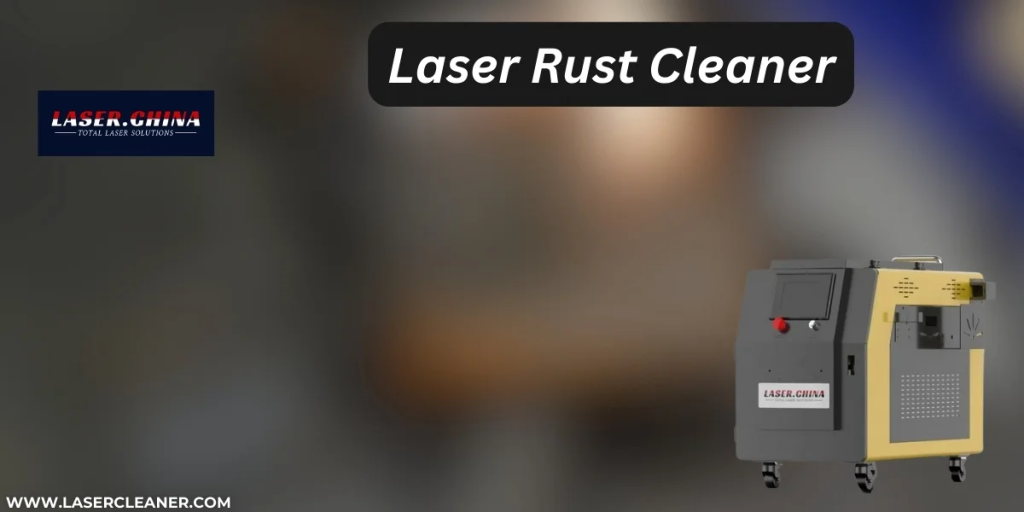
Even experienced operators may encounter challenges during laser rust cleaning. Uneven cleaning is often caused by inconsistent laser speed or improper distance from the surface. Adjusting the distance, slowing down movement, or performing additional passes usually resolves this.
If the device appears to underperform, check the lens for dust or residue. Dirty optics scatter the laser beam and reduce efficiency. Cooling system malfunctions in high-powered lasers can cause overheating, reducing performance and potentially damaging internal components. Maintaining a log of settings and results helps troubleshoot recurring issues efficiently.
Frequently Asked Questions
Can a laser rust cleaner damage paint or coatings?
Yes, high-powered lasers can remove paint or delicate coatings along with rust. Test a small area first and adjust the power settings carefully.
Is it safe to use indoors?
Yes, if the space is well-ventilated and protective equipment is used. Fume extraction is recommended for fine dust removal.
Do I need training?
Basic home use requires minimal guidance, but industrial-grade lasers require certified operator training due to higher power and safety risks.
Which metals are safe to clean?
Most steels, stainless steel, iron, and some non-ferrous metals can be safely cleaned. Thin metals require lower power settings.
How do I maintain a laser rust cleaner?
Regular lens cleaning, cooling system checks, and proper storage are essential for long-term performance.
Final Thoughts
The laser rust cleaner has changed the way we deal with corrosion, offering a safe, precise, and eco-friendly alternative to traditional methods. Unlike chemical rust removers or abrasive techniques, laser cleaning protects the underlying metal, reduces waste, and ensures consistent results whether you are restoring household tools, preserving antiques, or maintaining industrial machinery.
The key to success lies in preparation, proper safety measures, controlled operation, and post-cleaning care. By following these practices, both home users and industrial operators can maximize efficiency while ensuring long-term protection of metal surfaces.
As this technology continues to advance, it is becoming an increasingly valuable tool for anyone seeking a reliable and sustainable approach to rust removal. Investing time in learning safe handling and best practices ensures that your laser rust cleaner remains not only effective but also a trusted companion in maintaining the integrity and appearance of metal for years to come.