
Removing paint has always been a challenging task that requires both precision and care. Traditional methods like chemical stripping, sandblasting, and heat application often come with significant drawbacks, including environmental harm, health risks, and damage to the underlying surfaces.
As industries and professionals seek safer, cleaner, and more efficient alternatives, laser paint removers have emerged as a promising solution. Using focused light energy, laser paint removers break down paint layers without the need for harmful chemicals or abrasive materials.
This technology not only improves the safety and accuracy of paint removal but also significantly reduces the environmental impact compared to conventional methods. From automotive restoration to industrial maintenance and cultural heritage conservation, laser paint remover is gaining recognition for its eco-friendly advantages.
In this guide, we will explain how laser paint removers work, why they are considered environmentally friendly, and the benefits they offer across various industries.
- Laser Paint Remover Exploring Its Eco-Friendly Advantages
- What Is a Laser Paint Remover?
- How Traditional Paint Removal Harms the Environment
- Laser Paint Remover and Environmental Benefits
- Where Is Laser Paint Removal Making a Difference?
- Challenges and Considerations
- How to Maximize Eco-Friendly Use of Laser Paint Removers
- The Future of Laser Paint Removal in Environmental Stewardship
Laser Paint Remover Exploring Its Eco-Friendly Advantages
Removing paint can be a tricky job. Whether it’s old paint on a car, rusted machinery, or a piece of artwork that needs restoration, the goal is always to strip away the unwanted layer without damaging what’s underneath. Traditionally, this process involved harsh chemicals, sandblasting, or heat guns — all methods that come with environmental and safety concerns. Enter the laser paint remover: a technology that’s been gaining ground not just for its precision but for how it impacts the environment less than older methods.
What Is a Laser Paint Remover?
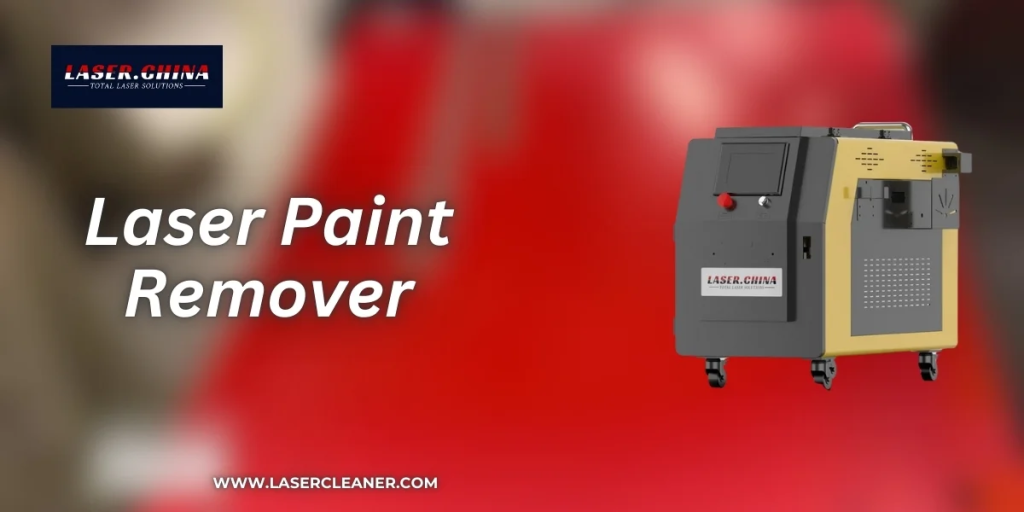
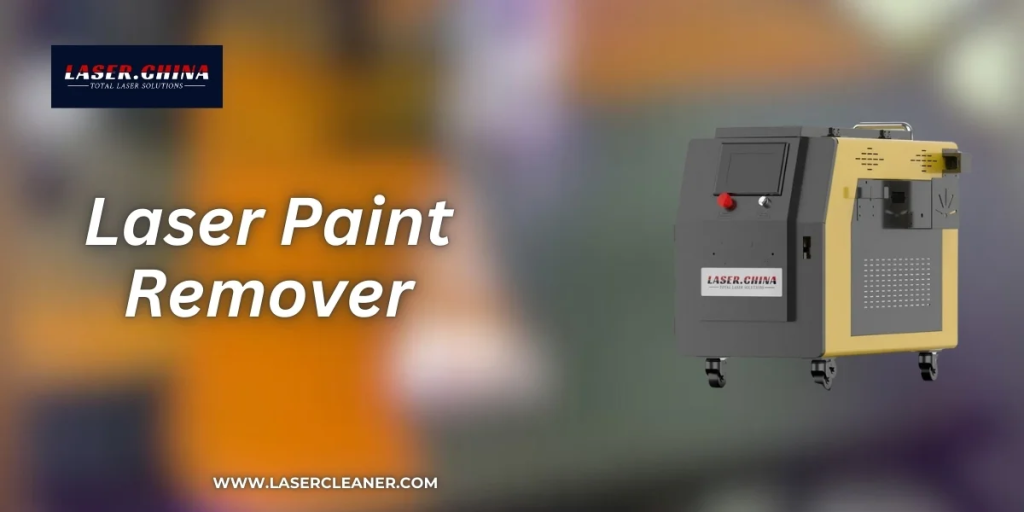
Before we jump into the green side of things, let’s understand what a laser paint remover actually does. Unlike chemical strippers or abrasive blasting, a laser paint remover uses focused light energy to break down the paint layer on surfaces. The laser beam hits the paint, causing it to vaporize or break apart into tiny particles that can be cleaned away, leaving the original surface mostly intact.
No chemicals, no dust clouds from sand or grit, and no excessive heat that warps materials. The laser does the job precisely, often controlled by a computer or operator for detailed work.
How Traditional Paint Removal Harms the Environment
Most paint removal methods that have been around for decades come with a long list of environmental downsides. Let’s break them down.
Chemical paint strippers rely on solvents like methylene chloride or NMP. These solvents emit toxic fumes, known as volatile organic compounds (VOCs), that pollute the air and are harmful when inhaled. After use, the chemical waste needs careful handling. If it ends up in the soil or water, it contaminates ecosystems and poses long-term risks to wildlife and humans.
Abrasive blasting, such as sandblasting or soda blasting, creates a massive amount of dust. This dust isn’t just sand—it’s mixed with fine paint particles that may contain lead or other harmful substances. These particles can spread through the air and settle in nearby soil or water. Controlling the mess requires large-scale cleanup and containment systems.
Heat-based methods, including hot air guns or torches, may seem safer, but they have their own issues. When old paints are heated, they can release hazardous fumes, including lead vapors if the paint is old enough. This doesn’t just affect the person using the tool—it affects the air around the workspace.
All these methods share a common thread: they generate waste, emit pollutants, and carry long-term environmental consequences. They get the job done but leave a footprint behind. As industries face more pressure to reduce emissions and follow stricter regulations, these traditional methods are becoming harder to justify.
Laser Paint Remover and Environmental Benefits
Laser paint remover takes a different route. It doesn’t rely on chemicals, physical force, or heat. Instead, it uses focused laser light to break down and vaporize paint coatings. Here’s why that’s better for the environment:
No chemicals involved means no toxic waste, no fumes, and no VOCs. This alone makes laser removal a cleaner option compared to chemical strippers. There’s nothing to rinse off, dispose of, or store in hazardous containers.
Low particle emission is another big plus. Lasers vaporize paint into small particles, but most modern systems are equipped with built-in extraction units. These capture the particles before they can spread, keeping the air cleaner and reducing the need for secondary cleanup.
No secondary waste like blast media or stripped paint chips. Sandblasting leaves behind a pile of grit and debris. Laser removal just leaves dust that’s immediately vacuumed out.
Minimal surface damage means the object being cleaned stays intact longer. You’re not scraping or grinding down the surface. When materials last longer, they don’t need to be replaced as often, which reduces the demand for new raw materials.
Energy efficiency also plays a role. Lasers only target the areas that need treatment. They don’t waste energy heating large surfaces or running compressors. This targeted use of power can be more efficient overall, especially when compared to industrial paint-stripping systems that run for long hours.
In short, laser paint removers help reduce air pollution, hazardous waste, energy consumption, and surface damage—all important factors when considering environmental impact.
Where Is Laser Paint Removal Making a Difference?
Laser paint removal is gaining ground in industries that care about environmental performance and material preservation. Let’s look at where it’s showing up and why it’s making a difference.
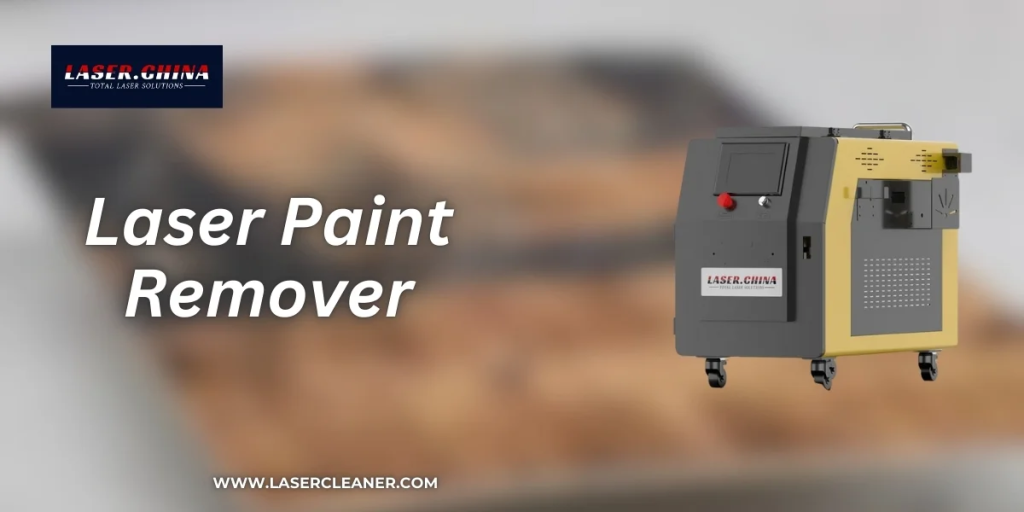
Automotive workshops are using laser systems to strip paint from metal parts and panels. Why? Because there’s no need for sanding or solvents, which means less airborne dust and no hazardous waste to dispose of. It’s especially useful when dealing with vintage cars that require extra care.
Manufacturing and fabrication industries benefit from cleaner workspaces and faster turnaround times. Instead of scrubbing or blasting parts between production steps, laser systems provide precise cleaning without chemicals. That means fewer interruptions and no cleanup of blasting media.
Aerospace maintenance involves working on highly sensitive and expensive components. Lasers offer non-contact paint removal that avoids damaging the substrate. The reduced need for waste disposal and safer work environments are major incentives for this sector.
Restoration and preservation efforts are also taking advantage of this technology. Laser cleaning allows fine control, making it possible to remove paint without harming the surface underneath. This is especially useful when restoring historical items that require careful handling.
Public infrastructure maintenance, including bridges, ships, and pipelines, is another area where laser paint remover is picking up steam. These large-scale projects benefit from reduced cleanup costs and lower environmental impact.
Across these industries, laser paint remover offers a better way to clean, strip, and maintain surfaces without producing harmful byproducts or endangering workers or the surrounding environment.
Challenges and Considerations
Laser paint remover isn’t a perfect solution for everyone, and it comes with its own set of challenges. Knowing these in advance helps users make smarter decisions.
Upfront cost is a major hurdle. Laser systems aren’t cheap. The machines can be expensive to purchase, and they may require infrastructure upgrades like ventilation systems or safety barriers. For small businesses or individual contractors, the initial investment may feel out of reach.
Training is essential. Operating a laser cleaner isn’t the same as using a power washer or a paint scraper. The operator needs to understand laser settings, beam intensity, focus distance, and safety procedures. Poor training can lead to surface damage or inefficiency.
Not suitable for every surface. While lasers are versatile, they aren’t universal. Certain surfaces, especially reflective or heat-sensitive materials, might not respond well to laser treatment. And if a thick coating of paint is present, it may take more time to remove than other methods.
Energy source matters. Yes, laser paint remover is energy-efficient—but only to a point. If the electricity powering the system comes from coal or oil, the environmental benefits drop. Using renewable energy sources helps keep the footprint small.
Safety requirements are higher. Lasers can be dangerous if used improperly. Protective eyewear, shielding, and training are non-negotiable. This adds another layer of responsibility to the job.
While these considerations don’t outweigh the benefits, they do require planning and commitment. Any company or contractor looking to go the laser route should evaluate whether their operation is ready for it.
How to Maximize Eco-Friendly Use of Laser Paint Removers
Simply owning a laser paint remover doesn’t guarantee you’re being eco-friendly. Like any tool, how you use it matters. Here’s how to make sure your laser system is working in favor of the environment.
Choose the right system for the job. Don’t go overboard with an oversized machine if your project doesn’t require it. Smaller, energy-efficient models can still get the job done while consuming less power.
Use dust extraction systems. A laser system should be paired with a proper vacuum or filtration unit to capture paint particles as they’re removed. This keeps air quality high and prevents contamination in the workspace.
Train your team. Make sure everyone using the laser knows how to operate it efficiently. Skilled use reduces energy waste, prevents damage, and speeds up the process—all factors that reduce environmental strain.
Power your laser with renewable energy. If possible, connect your laser system to a power source that draws from solar or wind. This significantly reduces the carbon footprint of each paint removal job.
Schedule regular maintenance. A poorly maintained laser system is less efficient and more likely to break down. Check optics, filters, and electronics regularly to keep everything running smoothly.
Dispose of particles properly. Even though the amount of physical waste is small, it still needs to be handled with care—especially if the removed paint contains hazardous elements like lead or chromium.
Taking these steps ensures you’re not just using a high-tech tool—you’re using it responsibly, with the environment in mind.
The Future of Laser Paint Removal in Environmental Stewardship
The future of laser paint remover looks bright, especially as industries and governments push for greener technologies.
Tech is getting cheaper. What was once limited to aerospace or industrial use is now becoming accessible to smaller businesses. As production scales up and demand increases, prices are dropping and making laser systems more mainstream.
Smarter systems are on the way. New models will include automatic settings, AI-powered adjustments, and built-in sensors that optimize cleaning in real-time. These features will reduce the need for skilled labor and lower the chances of error.
Mobility and portability will improve. Compact, handheld laser systems are already in development and use. These make it easier to bring the technology into tight spaces or remote locations—reducing the need for transporting large parts to specialized facilities.
Environmental regulations will drive adoption. As more countries tighten controls on chemical waste, air pollution, and worker safety, laser paint remover will become a go-to option. Businesses that adopt early will be ahead of the curve.
Sustainability goals will become easier to meet. Companies looking to reduce their environmental impact can include laser paint remover in their sustainability plans. It’s an actionable way to cut waste, reduce emissions, and improve safety all at once.
Laser technology won’t solve every environmental issue in industrial processes—but it’s a solid step in the right direction. As awareness and demand grow, laser paint removers will likely play a larger role in shaping cleaner and safer standards for the future.
Final Thought
When it comes to removing paint, the shift toward laser paint removers marks a meaningful step forward in environmental responsibility. Traditional methods have long been fraught with issues—whether it’s harmful chemical runoff, airborne dust, or excessive waste—that negatively impact both ecosystems and human health.
Laser paint removal cuts through these problems by offering a precise, chemical-free alternative that minimizes pollution and preserves the materials underneath. While the technology isn’t without its challenges, such as higher upfront costs and the need for skilled operators, its environmental advantages are clear and compelling.
By focusing on energy-efficient systems, proper training, and responsible waste management, businesses can make laser paint removal a powerful part of their sustainability efforts. Looking ahead, advances in technology and broader adoption promise even greater benefits, helping industries reduce their carbon footprint and meet stricter environmental standards.
Ultimately, laser paint removal is more than just a modern method—it’s a practical tool that aligns industry needs with the urgent demand for eco-friendly solutions, paving the way toward cleaner, safer work environments and a healthier planet.