In industries ranging from manufacturing to aerospace, metal surfaces often face the challenge of contamination, oxidation, rust, and buildup of other unwanted materials.
Traditionally, cleaning these surfaces involved abrasive methods, chemicals, or even manual labor, all of which could be time-consuming, hazardous, and expensive.
However, with the rise of laser technology, a new and innovative solution has emerged: laser metal cleaning.
Laser metal cleaners use concentrated laser beams to remove impurities from metal surfaces with precision, speed, and minimal environmental impact.
The laser energy focuses on contaminants like rust, oil, paint, and corrosion, causing them to either evaporate or be blown away.
This non-contact method reduces the risk of damaging the base material, making it an ideal choice for industries where delicate handling of materials is necessary.
A common question among manufacturers and engineers is whether laser metal cleaners can handle different types of metal surfaces effectively.
Metals like steel, aluminum, copper, and titanium each have distinct characteristics, and the cleaning process must be adapted to suit these differences.
So, can laser cleaning technology work on a variety of metals, and how well does it perform across these different materials?
Laser Metal Cleaner Can It Handle Different Metal Surfaces
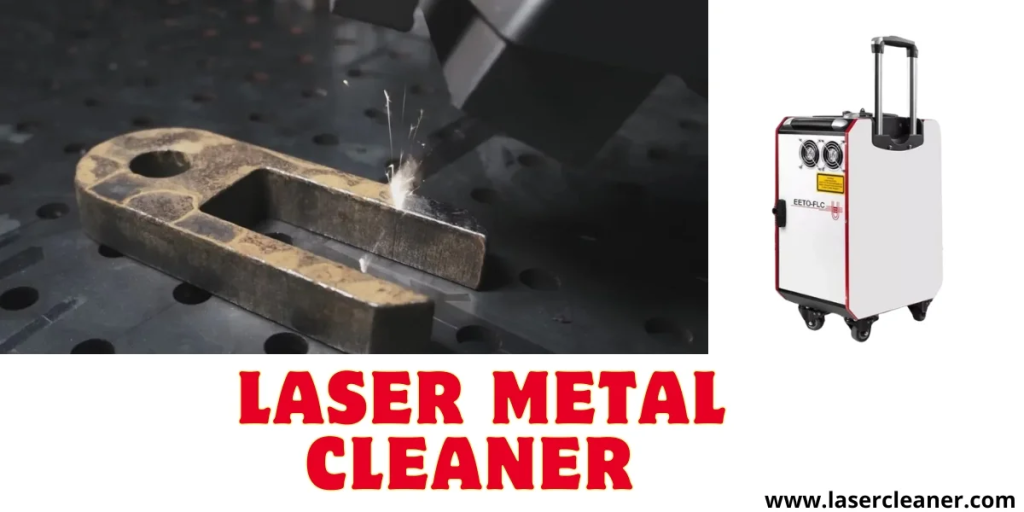
Laser metal cleaner are rapidly gaining attention in the manufacturing, automotive, and industrial sectors due to their efficiency and precision in cleaning metal surfaces.
But the question remains: can these advanced devices handle different types of metal surfaces? In this blog post, we will explore the capabilities, benefits, and limitations of laser metal cleaning and examine how well it works on various metal surfaces, backed by real-world examples and case studies.
What is a Laser Metal Cleaner?
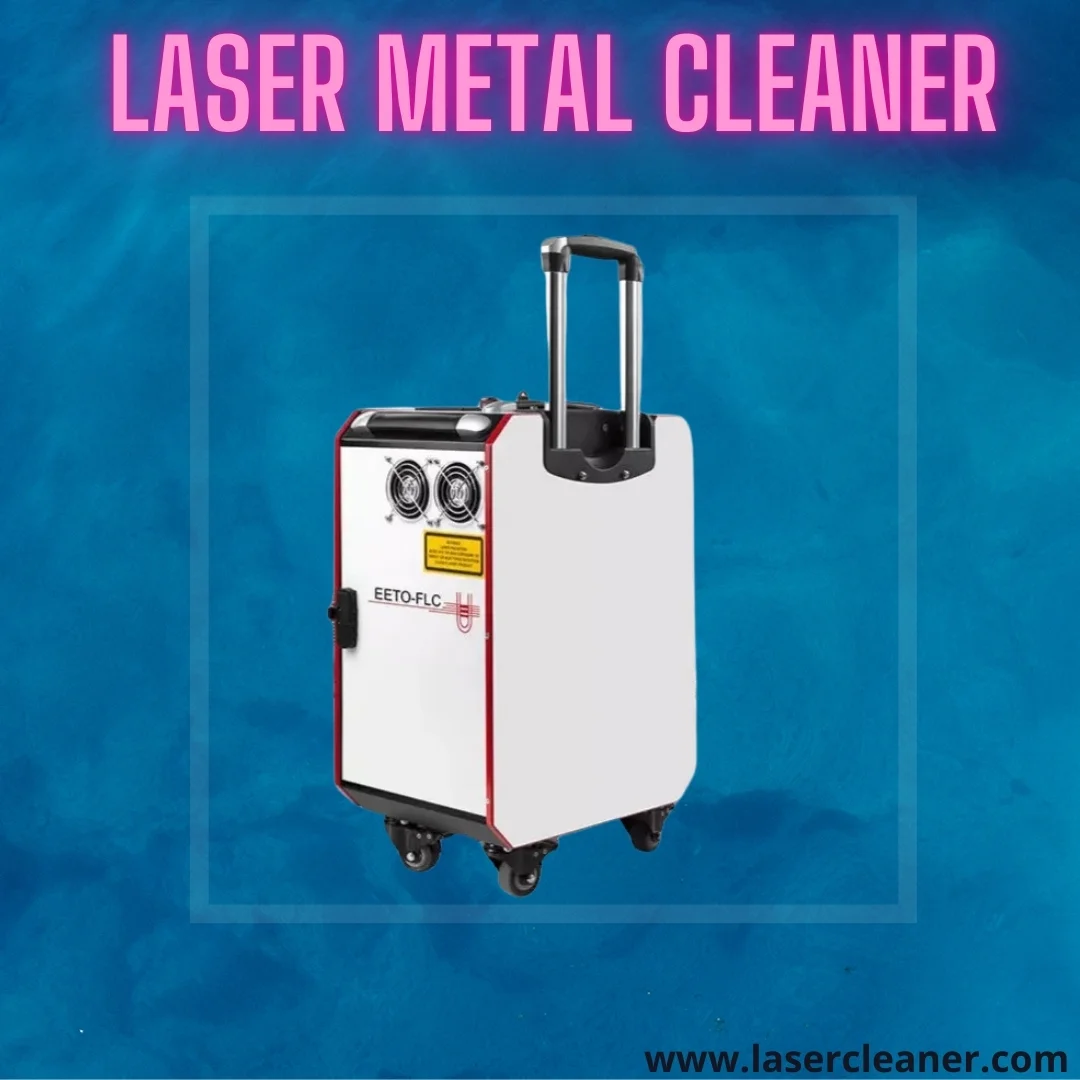
A laser metal cleaner is a machine that uses high-intensity laser beams to remove contaminants, oxidation, rust, paint, and other impurities from metal surfaces. The laser beam focuses on the material’s surface, heating up contaminants to the point where they vaporize or are blown away by a burst of gas or air. This cleaning method is non-contact, making it highly effective for delicate or complex surfaces.
Laser cleaning is becoming a preferred method for surface preparation, corrosion removal, and cleaning tasks due to its precision, eco-friendliness (no chemicals involved), and minimal wear and tear on the base metal.
Types of Metals in Laser Cleaning
Before we dive into how laser cleaning works with different metals, it’s important to know the variety of metals commonly used in industrial settings. Each of these metals presents unique challenges in terms of cleaning, corrosion resistance, and surface treatment:
- Steel (Carbon Steel, Stainless Steel, Alloy Steel)
- Aluminum
- Copper and Copper Alloys
- Titanium
- Cast Iron
- Brass
- Nickel-based Alloys
Each metal has different properties, such as density, thermal conductivity, and resistance to oxidation, which can affect how they respond to laser cleaning.
How Laser Metal Cleaning Works
Laser metal cleaner works through a process called laser ablation, where a high-power laser beam interacts with the surface of the metal to remove unwanted materials like rust, dirt, paint, and oil. The laser energy is precisely controlled to ensure only the contaminants are affected, while the underlying metal remains intact.
- Step 1: Laser Beam Application
The laser beam is directed at the surface of the metal. It heats up the surface contaminants to a point where they either evaporate or are ejected from the metal surface. - Step 2: Contaminant Removal
The laser energy causes contaminants like rust, dirt, and oxidation to either vaporize or be blown away by gas or air streams. - Step 3: Cleaned Metal Surface
Once the contaminants are removed, the result is a clean metal surface, ready for further processing, such as painting, coating, or welding.
Laser metal cleaning can be adjusted based on the type of metal being cleaned, ensuring that different metals with varying surface qualities are cleaned without damage.
Can a Laser Metal Cleaner Handle Different Metal Surfaces?
The short answer is yes, laser metal cleaners can handle various metal surfaces. However, the efficiency of the cleaning process depends on several factors, including the type of metal, its surface finish, and the type of contaminants involved.
Let’s break down how laser cleaning works with some of the most common metal types.
1. Carbon Steel
Carbon steel is one of the most commonly used materials in manufacturing and construction. It is prone to rust and corrosion when exposed to moisture, making cleaning essential.
Laser cleaning is highly effective on carbon steel surfaces as it can remove both rust and mill scale with high precision.
- Case Study: In a heavy manufacturing plant, laser metal cleaners were used to clean rust from large steel parts in the automotive industry. The laser cleaning system was able to remove oxidation without affecting the base material, thus reducing the need for harsh chemical treatments and manual labor.
- Challenges: The thickness and density of the metal can affect how the laser interacts with the surface. However, with adjustable power settings, laser metal cleaner can effectively handle this material.
2. Stainless Steel
Stainless steel is widely used for its corrosion resistance, but it can still develop surface contaminants, particularly in environments like food processing or pharmaceutical industries.
Laser cleaning provides an effective solution for removing contaminants from stainless steel without compromising the integrity of the surface.
- Case Study: A major food processing company used laser cleaning to remove grease, oil, and bacteria residue from stainless steel equipment. The laser metal cleaner was able to clean intricate areas with high precision, reducing downtime and maintenance costs.
- Challenges: Stainless steel is highly reflective, which can affect the efficiency of laser metal cleaning. However, modern laser systems use advanced sensors and algorithms to adjust for reflectivity and optimize performance.
3. Aluminum
Aluminum is lightweight and resistant to corrosion, but it is also more susceptible to surface damage compared to steel. Laser cleaning on aluminum is a delicate process.
While it can effectively remove oxide layers, care must be taken to avoid damaging the soft metal beneath.
- Case Study: In the aerospace industry, laser cleaners were used to remove oxides from aluminum parts before welding. The laser cleaner provided an efficient way to prepare the aluminum surface without causing pitting or distortion.
- Challenges: The lower melting point of aluminum compared to steel means that the laser’s power settings must be carefully calibrated to avoid damage. However, with precise control, laser cleaning on aluminum surfaces can be very effective.
4. Copper and Copper Alloys
Copper is highly conductive and corrosion-resistant but is often covered with tarnish or oxidation, especially when exposed to the elements. Laser cleaning works well on copper, removing oxidation without damaging the base material.
- Case Study: In the electronics industry, copper wiring often becomes oxidized over time. Laser cleaning is used to restore the conductive properties of the copper without the need for harsh chemical cleaners.
- Challenges: Copper’s high thermal conductivity can cause heat to dissipate quickly, which can affect the efficiency of laser cleaning. As a result, the laser must be fine-tuned to deliver the appropriate energy to effectively clean copper surfaces.
5. Titanium
Titanium is highly resistant to corrosion but can accumulate dirt and contaminants over time, particularly in high-tech industries like aerospace and medical device manufacturing.
Laser cleaning is effective for titanium due to its ability to remove contaminants without compromising the metal’s surface properties.
- Case Study: Laser cleaning has been used in aerospace to clean titanium components, where traditional methods like abrasive blasting could cause surface damage. The precision of laser cleaning ensures that the titanium surface remains pristine.
- Challenges: Titanium is more heat-sensitive than some other metals, so care must be taken to avoid overheating. However, modern laser cleaners can adjust the intensity to ensure optimal performance.
6. Cast Iron
Cast iron is typically found in industrial machinery and automotive parts. Laser cleaning works well on cast iron to remove rust and contaminants, although the rough surface texture of cast iron can present challenges.
- Case Study: A foundry used laser cleaning to remove rust from cast iron molds. The laser cleaning process helped reduce the need for manual labor and improved the overall production efficiency.
- Challenges: The porous nature of cast iron can make it more difficult to achieve a perfectly smooth finish with laser metal cleaner. However, it still provides a faster and more effective cleaning solution compared to traditional methods.
7. Brass and Bronze
Brass and bronze, like copper, are prone to tarnishing. Laser metal cleaner is effective in restoring the original shine of these alloys, particularly in decorative applications.
- Case Study: In the restoration of vintage brass fixtures, laser metal cleaner was used to remove tarnish without damaging the fine details. This method provided an efficient, non-abrasive solution for delicate items.
- Challenges: As with copper, the heat dissipation of brass and bronze requires careful laser calibration to avoid thermal damage to the surface.
Factors Affecting Laser Cleaning Performance on Different Metals
While laser metal cleaner can handle various types of metals, their performance depends on the following factors:
- Laser Power and Wavelength
Different metals absorb laser energy at different rates. The power of the laser and its wavelength must be tailored to each metal type to ensure efficient cleaning without damaging the surface. - Surface Finish
The existing finish on the metal surface can influence how the laser interacts with it. A smooth, polished surface may reflect more laser energy, while a rough or oxidized surface may absorb energy more efficiently. - Contaminant Type
The nature of the contaminants (e.g., rust, oil, paint, grease) also plays a role. Laser metal cleaner can be adjusted to focus on specific contaminant types to maximize cleaning effectiveness. - Material Thickness
Thicker metals may require higher laser energy to clean effectively, while thinner metals may be more prone to thermal damage if not handled carefully.
Conclusion
Laser metal cleaner has proven to be a highly effective and versatile method for removing contaminants from a wide range of metal surfaces.
From steel and aluminum to copper, titanium, and cast iron, laser metal cleaner technology can adapt to different materials, offering precise and efficient results.
This non-abrasive, eco-friendly approach eliminates the need for harsh chemicals and manual labor, making it a sustainable and cost-effective solution for industries across the globe.
While each metal presents its own unique challenges, advancements in laser technology have made it possible to adjust parameters such as power and wavelength, ensuring optimal cleaning performance without damaging the base material.
Real-world case studies highlight the benefits of laser metal cleaner, such as improved productivity, reduced downtime, and enhanced product quality.
As laser metal cleaner continues to evolve, its applications are set to expand further, becoming an indispensable tool for industries that rely on high-performance and reliable metal surfaces.
By leveraging this technology, manufacturers can achieve superior results in metal maintenance and preparation, ensuring longer-lasting products and more efficient operations.