Laser metal cleaning has emerged as a reliable and efficient method for removing rust, paint, oil, and other surface contaminants from metal components without damaging the base material. Instead of relying on abrasive blasting or chemical solvents, it uses precisely controlled laser beams to vaporize unwanted layers, leaving behind a clean, ready-to-process surface.
This method not only improves the quality of subsequent manufacturing steps like welding, coating, or bonding but also reduces environmental impact and operator exposure to hazardous substances.
In manufacturing, where downtime costs can quickly escalate and precision is critical, adopting a laser metal cleaner can directly influence productivity, safety, and overall operational efficiency. From automotive assembly lines to aerospace component fabrication and heavy equipment maintenance, the technology offers consistent, measurable benefits backed by industrial data.
In this guide, we will explain.
Table of Contents
- Laser Metal Cleaner Benefits in Core Manufacturing Sectors
Laser Metal Cleaner Benefits in Core Manufacturing Sectors
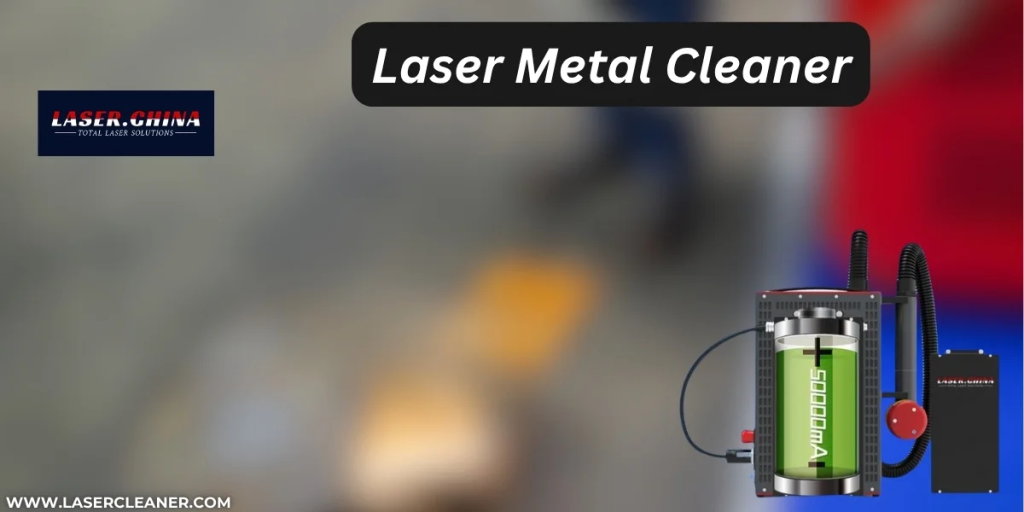
Laser metal cleaner is a modern, effective solution for removing unwanted layers like rust, paint, and grease from metal surfaces. The process uses a focused laser beam that vaporizes contaminants without damaging the underlying metal. This non-contact cleaning method provides consistent results, reduces waste, and improves safety compared to traditional abrasive or chemical cleaning.
Its application spans production, maintenance, and refurbishment in industries where quality, speed, and precision are essential. With increasing pressure to reduce environmental impact and optimize manufacturing processes, laser metal cleaner is becoming a preferred choice for many sectors.
What Is Laser Metal Cleaning? Quick Overview
Laser metal cleaner uses laser ablation to remove surface contaminants. The laser beam is absorbed primarily by the top contamination layer, which heats rapidly and either vaporizes or breaks into small particles. These particles are removed by an extraction system to keep the workspace clean. Because the laser does not touch the metal physically, it prevents abrasion or deformation of the base material.
Adjustable laser power and pulse settings allow the system to handle a variety of contaminants and metals. Lower power is used for delicate cleaning, and higher power can remove thick rust or paint layers. The process can be automated for high-volume production or handheld for maintenance and repair work.
Since it doesn’t involve chemicals or abrasives, there is no secondary waste, making disposal simpler and reducing environmental hazards. This method also requires less preparation and cleanup time compared to traditional techniques, improving overall efficiency.
Core Manufacturing Sectors That Benefit
Core manufacturing sectors benefit from laser metal cleaners by improving cleaning efficiency, preserving material integrity, and reducing downtime. Industries such as automotive, aerospace, and heavy equipment rely on this technology to enhance product quality and operational safety.
Automotive & Transportation
The automotive industry produces millions of metal parts annually that need surface cleaning before processes like welding, coating, or bonding. Laser metal cleaner allows for precise, uniform removal of paint overspray, oils, adhesives, and rust. This leads to better adhesion of coatings and stronger welds, which improves product durability and reduces defects.
Integration into assembly lines via robotic arms speeds up the cleaning process and minimizes manual handling. This automated approach ensures repeatability and reduces human error. Handheld laser units are also widely used in maintenance to clean rust or old paint from large structures such as truck frames and railcars without the need for dismantling.
Compared to sandblasting or chemical cleaning, laser cleaning produces less waste and reduces operator exposure to harmful dust and chemicals. It also lowers the risk of dimensional changes that could affect assembly and performance. These factors contribute to increased throughput and lower operational costs for manufacturers.
Additional benefits include reduced downtime because laser cleaning can be performed faster and with fewer setup steps. It also supports lean manufacturing practices by eliminating the need to stock and handle abrasive media or chemicals. Furthermore, the cleaner work environment enhances worker safety and reduces compliance risks related to hazardous material handling.
Aerospace & Aviation
In aerospace, cleaning metal components to strict standards is critical for performance and safety. Laser metal cleaner precisely removes contaminants such as oils, oxides, and protective films without damaging delicate parts or altering their dimensions. This is essential for metals like aluminum, titanium, and specialized alloys commonly used in aerospace.
The non-contact nature of laser cleaning prevents mechanical damage such as scratches or dents, which can compromise component integrity. Absence of chemicals means parts do not require lengthy drying or degassing, speeding up production.
The technology can be applied both in manufacturing plants and during aircraft maintenance and repair. Portable laser cleaners facilitate on-site cleaning of installed parts, reducing aircraft downtime.
The process supports compliance with stringent aerospace standards by delivering repeatable, high-quality surface preparation. It also reduces environmental footprint by eliminating solvent emissions and abrasive waste. This technology allows aerospace companies to maintain high operational reliability while improving worker safety and minimizing process complexity.
Other notable benefits include enhanced inspection outcomes due to cleaner surfaces, which help identify defects early. Laser cleaning also supports additive manufacturing workflows by preparing metal powders and components without contamination. Its precision supports lightweight design goals by preserving thin-walled parts during cleaning.
Heavy Equipment & Shipbuilding
Heavy equipment and shipbuilding industries require effective cleaning of large metal structures exposed to extreme conditions. Laser metal cleaner can remove thick rust, scale, and multiple layers of paint without harming the underlying steel or alloys. This prolongs the life of expensive machinery and vessels.
Mobile laser units are highly valuable in shipyards and construction sites because they can be transported to large or fixed assets. This on-site cleaning eliminates the need for costly and time-consuming disassembly or transportation of parts to cleaning facilities. It also reduces environmental contamination by avoiding blasting dust or chemical runoff.
By precisely controlling the laser, operators can clean weld seams and joints to improve strength and fatigue resistance. The process also helps in preparing surfaces for inspection and certification. Cleanup after laser cleaning is minimal, saving labor and downtime.
Other advantages include reduced disposal costs due to the absence of abrasive or chemical waste and compliance with stricter environmental regulations. In addition, laser cleaning reduces the exposure of workers to hazardous materials, improving health and safety conditions on-site.
Cross-Sector Benefits Backed by Data
Across all sectors, laser metal cleaner offers measurable benefits:
- Material preservation: Laser cleaning removes only surface contaminants, preserving dimensional accuracy and mechanical properties.
- Speed and efficiency: It reduces cleaning time by 30-70% compared to traditional methods.
- Environmental impact: No abrasive media or chemicals reduces hazardous waste and simplifies disposal.
- Cost savings: Lower consumables, less downtime, and reduced maintenance lead to savings over time despite higher initial equipment costs.
- Worker safety: Reduced dust and fumes decrease health risks and the need for protective equipment.
- Maintenance: Laser systems require minimal upkeep with few moving parts, leading to less downtime.
These advantages combine to improve product quality, reduce operating costs, and support sustainable manufacturing goals.
Additional Benefits of Laser Metal Cleaner Across Manufacturing Sectors
Laser metal cleaners offer multiple benefits across manufacturing sectors, including faster cleaning times, reduced environmental impact, and improved worker safety. Their precision and non-contact operation ensure consistent results while minimizing damage to sensitive metal surfaces.
Precision and Repeatability
One of the most significant benefits of laser metal cleaners is their ability to deliver highly precise and repeatable results. Unlike manual or abrasive cleaning methods, laser cleaning systems can be programmed with exact parameters such as laser power, pulse duration, and scanning speed.
This level of control ensures that each part receives the same treatment, which is crucial in industries where consistency impacts product quality and performance.
Repeatability reduces variability between batches and eliminates operator-dependent errors. This precision leads to fewer rejected parts and higher yields. Additionally, because the laser cleaning process can be fine-tuned, it can target only the contaminants without affecting delicate features or coatings beneath the surface, preserving the functional properties of the components.
Reduction in Post-Cleaning Treatment
Traditional cleaning processes often require secondary steps such as washing, drying, or abrasive finishing to prepare parts for subsequent manufacturing phases. Laser metal cleaner frequently eliminates the need for these additional treatments because it produces a clean, dry surface free of residue.
This direct readiness saves time and reduces labor costs. For example, in industries like electronics or medical device manufacturing, where cleanliness is critical, the ability to clean parts without introducing moisture or contaminants streamlines assembly processes and improves reliability.
Environmental Sustainability
Laser metal cleaner aligns well with the increasing industrial focus on sustainability. By eliminating the need for abrasive media like sand or chemical solvents, it minimizes waste generation and pollution. The primary waste product is vaporized contaminant particles, which are easily collected and disposed of without hazardous impact.
In comparison, abrasive blasting produces significant amounts of spent media that require special handling, while chemical cleaning generates toxic effluents requiring treatment.
Using laser cleaning reduces resource consumption, energy use for waste handling, and risk of environmental contamination, helping companies meet regulatory requirements and corporate sustainability goals.
Cost Effectiveness Over Time
Though the initial investment in laser cleaning equipment may be higher than traditional methods, the total cost of ownership tends to be lower over the lifecycle of the equipment. Savings accumulate through reduced use of consumables, lower labor costs, less downtime, and fewer defects or reworks.
Manufacturers often find that maintenance and operating costs for laser systems are more predictable and lower than abrasive blasting or chemical cleaning setups.
Laser systems typically require only periodic maintenance such as cleaning optics and replacing parts subject to wear. This reliability reduces unexpected stoppages and improves overall equipment effectiveness.
Enhanced Worker Safety
Worker safety is a critical consideration in industrial cleaning processes. Traditional abrasive blasting can produce harmful dust, airborne particles, and noise hazards. Chemical cleaning exposes workers to toxic substances and requires extensive personal protective equipment.
Laser metal cleaner significantly reduces these risks. The process is largely contained within enclosed or ventilated systems, minimizing exposure to dust or fumes. Noise levels are generally lower than mechanical cleaning, and there is no direct contact with hazardous chemicals. This safer environment not only protects employees but also helps companies meet occupational health and safety standards more easily.
Adaptability to Complex Geometries
Many metal parts have complex shapes, small cavities, or delicate features that are difficult to clean using conventional methods. Abrasive blasting or manual cleaning can miss hard-to-reach areas or cause damage.
Laser metal cleaners excel at accessing complex geometries thanks to their non-contact, focused beam. The laser can be directed precisely onto intricate surfaces, including inside holes, crevices, or sharp edges. This ability improves the thoroughness of cleaning and helps ensure that parts meet strict cleanliness standards required for assembly or inspection.
Minimal Impact on Surface Roughness
For applications where surface roughness or texture must be preserved or controlled, laser metal cleaner offers distinct advantages. Traditional abrasive methods tend to increase surface roughness, which can affect coating adhesion or mechanical properties.
The laser method removes contaminants without physically abrading the surface, preserving original textures or finishes. In some cases, the laser cleaning process can even improve surface quality by removing microscopically rough layers, resulting in better bonding surfaces for paints or adhesives.
Integration with Automation and Industry 4.0
Modern manufacturing emphasizes automation, data collection, and smart factory integration. Laser metal cleaner systems can be seamlessly integrated into automated production lines and robotic work cells. Their programmable nature allows precise cleaning schedules and adaptive control based on part type or condition.
Furthermore, laser systems can be connected to factory control systems to monitor performance, usage, and maintenance needs.
This connectivity supports predictive maintenance, reducing unexpected downtime and improving asset utilization. Such integration helps manufacturers meet the demands of Industry 4.0 and enhances overall production efficiency.
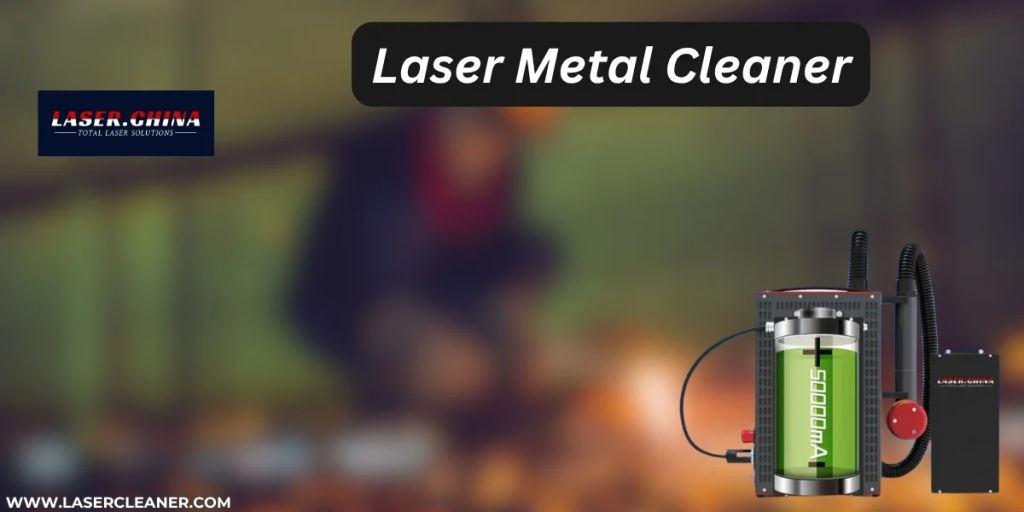
Expanded Industry-Specific Advantages
Laser metal cleaner provides tailored advantages in specialized industries, such as electronics, medical devices, and energy, by delivering precise, residue-free cleaning. This technology supports high cleanliness standards, enhances product reliability, and enables maintenance in challenging environments without damaging delicate components.
Electronics Manufacturing
In electronics, laser metal cleaner is used to prepare metal components and connectors that require high purity surfaces. The non-contact process removes flux residues, oxides, and other contaminants without damaging fine circuit structures or delicate metal layers.
Because it does not use chemicals, it avoids residue that could cause electrical shorts or corrosion. This precision supports manufacturing of high-reliability components used in medical devices, aerospace electronics, and consumer products.
Medical Device Manufacturing
Medical device manufacturing demands strict cleanliness and biocompatibility. Laser cleaning removes sterilization residues, lubricants, or packaging contaminants without chemical agents. It ensures surfaces are clean before assembly or coating.
Its ability to clean without water or solvents prevents moisture-related issues that could affect sensitive materials. This supports compliance with regulatory requirements and improves product safety.
Energy Sector
In energy production—such as power plants, oil & gas, and renewable energy—laser metal cleaner is used for maintenance of turbines, pipelines, and structural components. It removes corrosion, scaling, and old coatings, extending equipment life and reducing unscheduled outages.
Portable laser units allow on-site cleaning in remote locations, avoiding costly equipment removal or downtime. It is especially useful for cleaning critical parts without affecting performance or causing damage.
Final Thought
Laser metal cleaner is transforming how core manufacturing sectors handle surface preparation and maintenance. Its precise, efficient, and environmentally friendly process offers clear advantages over traditional methods.
By preserving base materials, reducing waste, and improving worker safety, it addresses many challenges faced by industries such as automotive, aerospace, heavy equipment, and beyond.
As manufacturing demands grow for higher quality, faster turnaround, and sustainable operations, investing in laser metal cleaner technology becomes a strategic choice. It enables companies to enhance productivity, maintain strict quality standards, and lower long-term costs.
For businesses looking to stay competitive and compliant, adopting laser metal cleaner is more than just a cleaning upgrade—it’s a step toward smarter, future-ready manufacturing.