Manufacturing industries rely heavily on clean and properly prepared metal surfaces to ensure product quality, durability, and performance. Whether the process involves welding, coating, bonding, or assembly, surface contamination such as rust, oil, oxides, or old paint can lead to defects and rework. Traditional metal cleaning methods often struggle to meet today’s requirements for precision, efficiency, and environmental responsibility.
A Laser Metal Cleaner Machine has emerged as a reliable solution to these challenges. By using controlled laser energy to remove surface contaminants without damaging the base material, manufacturers gain better control over quality and production flow. This technology is increasingly adopted across automotive, aerospace, fabrication, and heavy machinery manufacturing.
This article explains in detail how laser metal cleaning works, why it is important in modern manufacturing, and the measurable benefits it delivers. It also highlights how LaserCleaner supports industrial users with practical, production-ready laser cleaning systems.
Understanding Laser Metal Cleaning Technology
What Is a Laser Metal Cleaner Machine?
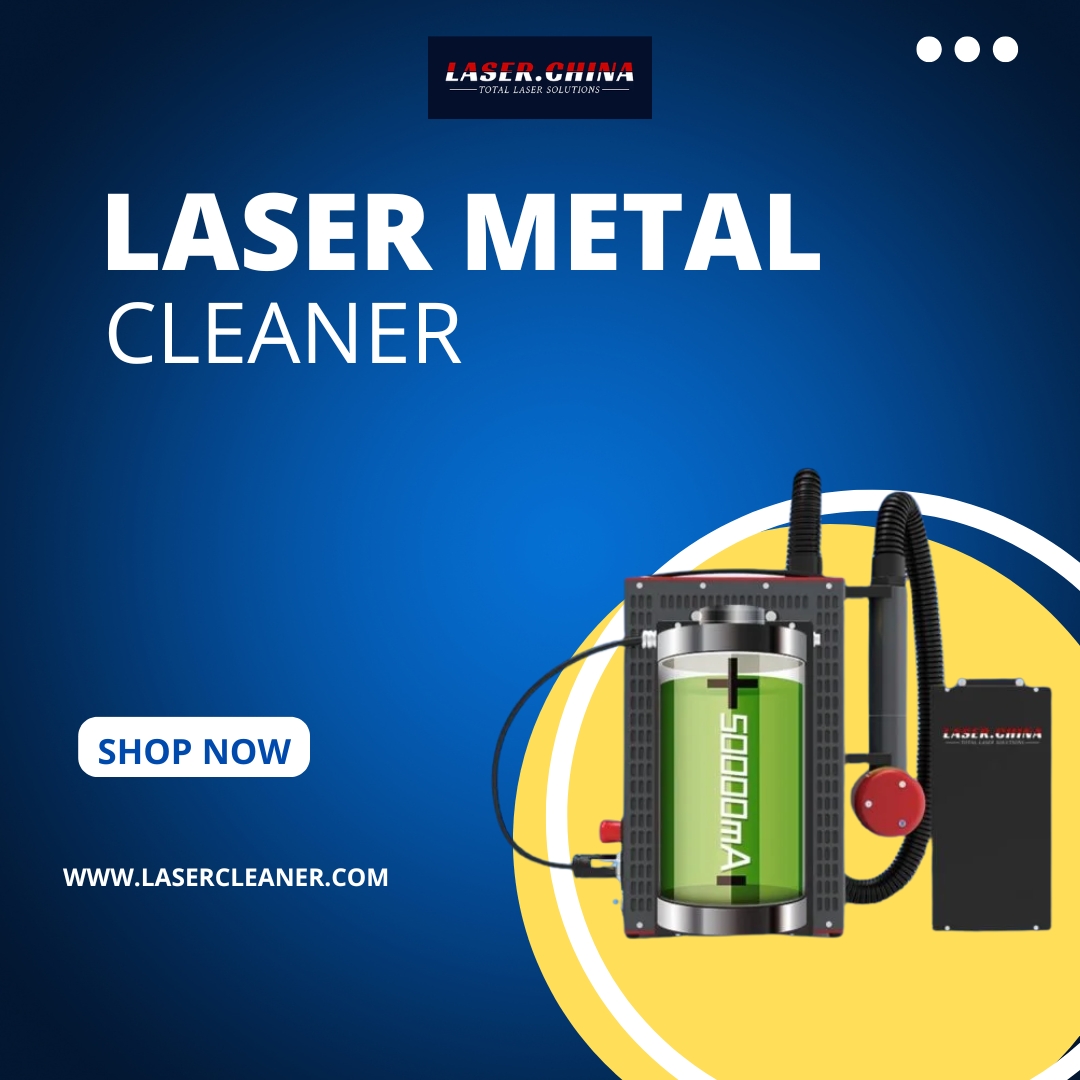
A Laser Metal Cleaner Machine is an industrial system designed to clean metal surfaces using focused laser beams. Instead of physically scraping or chemically dissolving contaminants, the laser interacts directly with unwanted surface layers and removes them through controlled energy absorption. This allows for accurate cleaning without direct contact.
The machine is capable of removing rust, scale, oil, grease, paint, oxide layers, and other residues that interfere with manufacturing processes. Because the laser parameters can be adjusted, the same system can handle light surface cleaning or more intensive material removal depending on production needs.
This flexibility makes laser metal cleaners suitable for a wide range of manufacturing environments, from precision component production to large-scale industrial fabrication.
How Laser Metal Cleaning Works
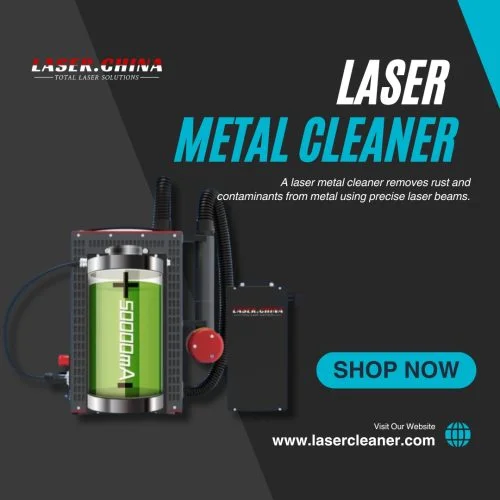
Laser metal cleaning operates on the principle of selective absorption. Contaminants absorb laser energy more readily than the underlying metal. When the laser beam hits the surface, the unwanted layer heats rapidly and vaporizes or detaches, while the base metal reflects most of the energy.
The process is controlled using parameters such as laser power, pulse duration, frequency, and scanning speed. These settings allow operators to clean different materials without overheating or altering the substrate. This level of control is critical for maintaining consistent quality in manufacturing.
LaserCleaner machines are designed with advanced control systems that allow precise parameter adjustment, ensuring repeatable cleaning results across different production batches.
Main Components of a Laser Metal Cleaner Machine
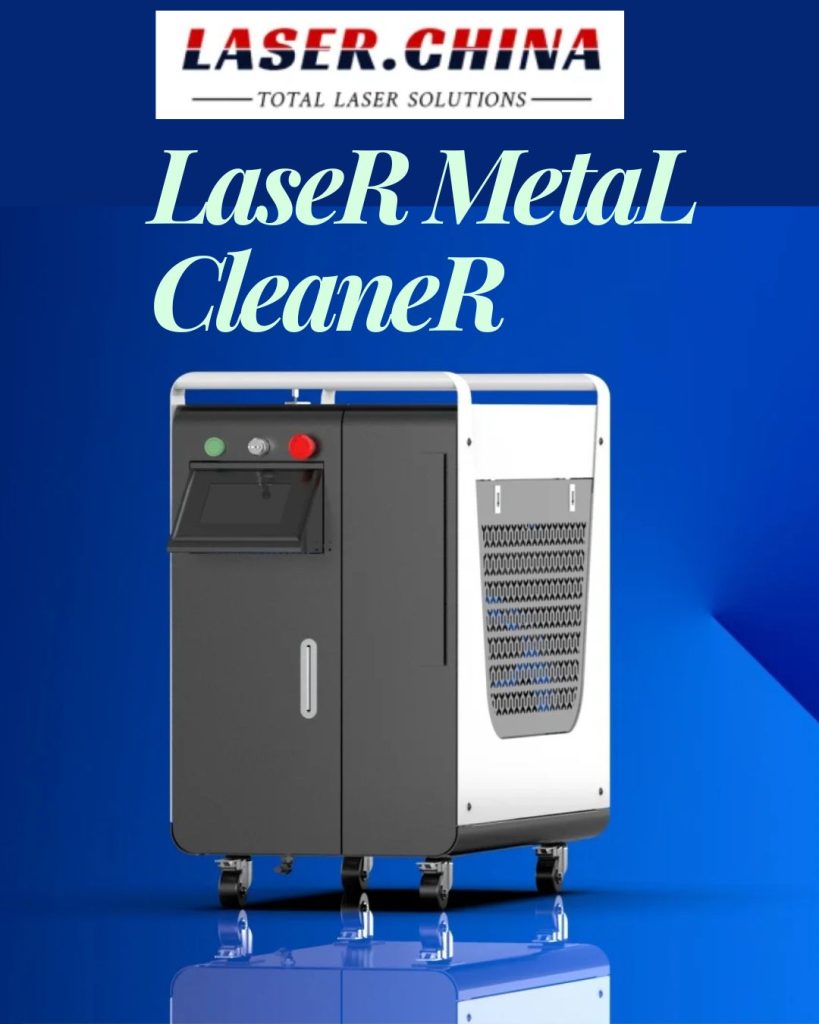
A laser metal cleaner consists of several key components working together as a single system. The laser source generates the energy required for cleaning and is typically a fiber laser due to its efficiency and long service life. The scanning head directs the beam across the surface in a controlled pattern.
Control software manages cleaning parameters and automation functions. Industrial systems also include dust extraction and filtration units to capture vaporized particles. Safety features such as protective enclosures, interlocks, and emergency stops ensure compliance with industrial safety standards.
LaserCleaner systems are built as integrated solutions, making them suitable for continuous operation in demanding manufacturing environments.
Why Laser Metal Cleaner Machines Are Important in Manufacturing
Challenges with Traditional Metal Cleaning Methods
Conventional metal cleaning methods often create more problems than they solve. Abrasive blasting can damage surfaces, change tolerances, and embed media into the metal. Chemical cleaning requires handling hazardous substances and managing disposal costs and regulatory compliance.
Manual grinding and scraping are labor-intensive and inconsistent, especially for complex geometries. These methods also increase tool wear and introduce variability that affects product quality. Over time, these inefficiencies reduce productivity and increase operating costs.
Laser metal cleaning eliminates many of these issues by providing a controlled, contact-free process that delivers consistent results.
Meeting Modern Manufacturing Standards
Manufacturers today must meet strict quality, safety, and environmental standards. Surface preparation plays a direct role in meeting these requirements, as poor surface quality leads to weak welds, coating failures, and shortened product life.
Laser cleaning supports modern manufacturing standards by delivering repeatable surface conditions. Automated control ensures each part is cleaned to the same specification, which improves quality consistency and simplifies quality assurance processes.
As factories move toward automation and smart manufacturing, laser metal cleaning fits naturally into digital production environments.
Key Benefits of Using a Laser Metal Cleaner Machine
Superior Surface Quality and Accuracy
Laser metal cleaning provides precise removal of contaminants without damaging the base metal. This results in clean, uniform surfaces that are ideal for welding, painting, and bonding. The absence of mechanical contact preserves surface integrity and dimensional accuracy.
This precision is particularly important for parts with tight tolerances or complex shapes. Laser cleaning reaches areas that are difficult to clean with traditional tools, ensuring complete surface preparation.
Manufacturers using LaserCleaner systems often see improved process stability and reduced surface-related defects.
Increased Production Efficiency
Laser metal cleaners significantly reduce cleaning time compared to manual or chemical methods. Once programmed, the system operates continuously with minimal intervention, reducing downtime between production stages.
Automation compatibility further improves efficiency. Laser cleaners can be integrated into robotic cells or inline production systems, allowing cleaning to occur as part of the normal manufacturing flow.
This increased efficiency leads to higher throughput and better utilization of production resources.
Lower Long-Term Operating Costs
Although the initial investment in a Laser Metal Cleaner Machine may be higher, long-term costs are typically lower. Laser cleaning does not require consumables such as abrasives or chemicals, eliminating recurring material expenses.
Maintenance costs are also reduced. Fiber laser systems have long lifespans and require minimal upkeep. Reduced labor requirements further contribute to cost savings.
Over time, these factors result in a lower total cost of ownership compared to traditional cleaning methods.
Environmental and Sustainability Benefits
Laser metal cleaning is an environmentally responsible process. It eliminates chemical waste, reduces dust generation, and minimizes secondary pollution. This simplifies compliance with environmental regulations and reduces waste management requirements.
Many manufacturers are under pressure to improve sustainability. Laser cleaning supports these goals by reducing emissions, conserving resources, and improving overall environmental performance.
LaserCleaner systems include efficient filtration options that help maintain clean and compliant production environments.
Improved Workplace Safety
Traditional cleaning methods expose workers to chemicals, dust, noise, and physical strain. Laser metal cleaning significantly reduces these risks by minimizing manual handling and hazardous materials.
The process is enclosed and automated, with built-in safety systems that protect operators. Cleaner workspaces and reduced exposure to harmful substances improve overall workplace safety and employee well-being.
From a safety management perspective, laser cleaning simplifies risk control and compliance.
Industrial Applications of Laser Metal Cleaner Machines
Surface Preparation Before Welding
Clean surfaces are essential for strong and reliable welds. Laser cleaning removes oxides, oil, and contaminants that interfere with weld penetration and stability.
Manufacturers using laser cleaning before welding experience fewer defects, more consistent weld quality, and reduced rework.
Paint and Coating Removal
Laser metal cleaners effectively remove old paint and coatings without damaging the metal underneath. This is especially useful in refurbishment, rework, and maintenance operations.
Controlled removal ensures proper surface preparation for recoating, improving adhesion and finish quality.
Rust and Oxide Removal
Laser cleaning removes corrosion layers without grinding or chemical treatment. This restores metal surfaces for further processing or inspection.
This application is widely used in heavy machinery manufacturing and maintenance where preserving base material is critical.
Tool, Mold, and Die Maintenance
Molds and dies require careful cleaning to maintain precision. Laser metal cleaning removes residues without altering tool geometry, extending tool life and maintaining production accuracy.
This reduces downtime and improves consistency in high-precision manufacturing.
Why Manufacturers Choose LaserCleaner
Designed for Industrial Use
LaserCleaner machines are specifically engineered for the rigors of modern manufacturing environments. They are built with durable components capable of operating continuously in heavy-duty conditions, such as factories with multiple shifts and high production volumes. The systems are designed to handle dust, heat, and vibration commonly found on industrial floors, ensuring consistent performance over long periods. Additionally, the robust construction reduces downtime caused by equipment failure and minimizes maintenance interruptions. Manufacturers can rely on these machines to deliver uniform cleaning results for a wide range of materials, from high-strength steels to delicate aluminum alloys, which is critical for maintaining quality standards in large-scale operations.
Customizable Solutions
Every manufacturing industry has unique surface preparation needs, and LaserCleaner understands this diversity. The company offers configurable machines that can adjust laser power, scanning patterns, and automation features to suit specific applications. For example, automotive manufacturers may require precise rust and paint removal on complex body panels, while aerospace companies need oxide and residue removal on high-tolerance components. LaserCleaner systems can be integrated with robotic arms, conveyor systems, or manual setups depending on workflow requirements. This flexibility ensures that manufacturers can achieve optimal results without investing in multiple cleaning machines or modifying existing production lines.
Reliable Support and Long-Term Value
Investing in a laser cleaning system is not just about the machine; it’s also about the ongoing support and scalability. LaserCleaner provides technical expertise, installation assistance, and training to ensure operators can use the system effectively from day one. The machines are designed for long service life, with components that require minimal maintenance, reducing the total cost of ownership. Furthermore, LaserCleaner offers scalable solutions that grow with production demands, allowing manufacturers to upgrade power levels or add automation modules as needed. This long-term support ensures that the technology continues to deliver value even as processes, materials, and production volumes change over time.
Final Thoughts
A Laser Metal Cleaner Machine represents a strategic, forward-looking solution for modern manufacturing challenges. It provides consistent, precise surface preparation that enhances welding quality, coating adhesion, and overall product durability. Beyond improving surface quality, laser cleaning increases operational efficiency by reducing manual labor, eliminating hazardous chemicals, and minimizing waste. It also supports safer, cleaner production environments, helping manufacturers meet environmental and safety regulations.
By integrating industrial-grade solutions from LaserCleaner, manufacturers gain greater control over critical surface preparation processes. Whether dealing with high-volume production, precision components, or refurbishment work, LaserCleaner systems offer measurable improvements in productivity, quality, and long-term operational efficiency. Adopting this technology allows companies to stay competitive while embracing sustainable, modern manufacturing practices.