Industrial laser cleaner has emerged as a transformative technology, replacing traditional methods like sandblasting, chemical stripping, and manual abrasion across manufacturing, aerospace, automotive, and heritage conservation sectors.
Unlike conventional approaches that generate hazardous waste, consume expensive consumables, or risk damaging sensitive substrates, industrial laser cleaner offers a precise, eco-friendly, and cost-effective alternative. However, selecting the right system requires careful consideration of multiple technical and operational factors—choosing incorrectly can lead to inefficient cleaning, material damage, or unnecessary capital expenditure.
This guide provides a comprehensive analysis of the key decision points when investing in industrial laser cleaner technology. We examine material compatibility, power requirements, wavelength selection, system configurations, and safety considerations—all backed by practical engineering principles rather than marketing claims. Whether you need to remove stubborn rust from heavy machinery, prepare precision components for welding, or restore delicate historical artifacts, understanding these fundamentals ensures you select equipment that delivers optimal results.
Beyond technical specifications, we also explore the financial aspects—from upfront costs to long-term ROI—and how to evaluate suppliers for reliable support and service. By the end, you’ll have a clear framework to make an informed decision that balances performance, productivity, and cost-effectiveness for your specific application.
- Industrial Laser Cleaner Selection What You Must Know Before Deciding
Industrial Laser Cleaner Selection What You Must Know Before Deciding
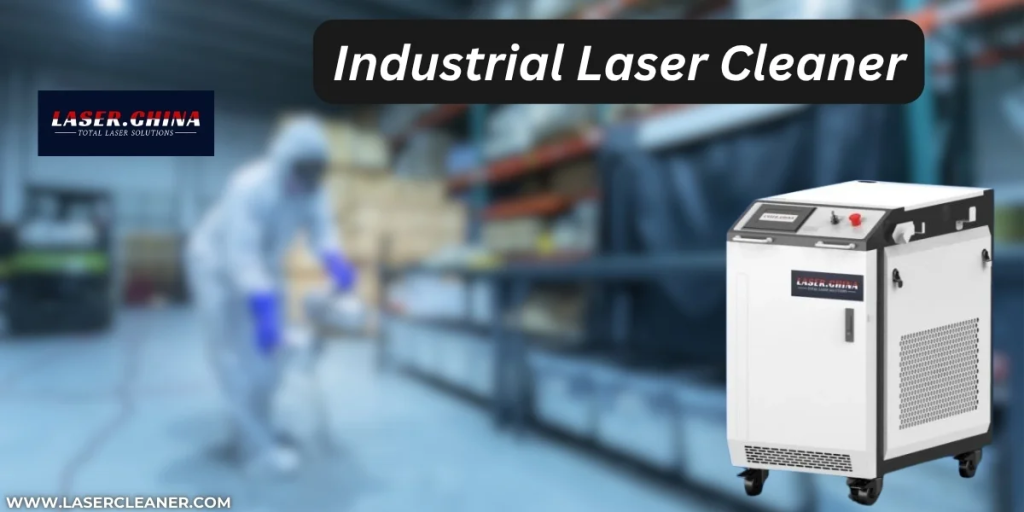
Industrial laser cleaner is revolutionizing surface preparation, rust removal, and coating stripping across manufacturing, aerospace, automotive, and restoration industries. But choosing the wrong system can lead to wasted budgets, damaged materials, and inefficient operations.
1. Understand Your Cleaning Requirements
Before evaluating equipment, clearly define what you need to clean—material type, contaminant nature, and surface sensitivity dictate your ideal laser solution.
Material Compatibility for Laser Cleaning
The foundation of effective industrial laser cleaner begins with understanding material compatibility. Different metals and substrates react uniquely to laser irradiation, making material selection the first critical factor. Ferrous metals like carbon steel and cast iron respond exceptionally well to fiber laser cleaning, with their high absorption rates at 1064nm wavelengths.
Aluminum and copper alloys require more careful consideration due to their reflective properties, often needing adjusted power settings or specialized laser parameters. Non-metallic materials such as composites, plastics, and rubber demand completely different approaches, typically performing better with CO2 lasers operating at 10.6μm.
Even within metal categories, variations occur – stainless steel cleans differently than mild steel, and anodized aluminum behaves differently than bare aluminum. The material thickness also plays a crucial role, as thin-gauge metals under 1mm require precise control to prevent warping or burn-through, while thick castings can handle more aggressive laser parameters.
Contaminant Removal Capabilities
The type of surface contamination directly determines the industrial laser cleaner approach needed. Rust and oxidation layers, being iron oxides, respond particularly well to fiber laser cleaning as the laser energy efficiently breaks the molecular bonds.
Paint removal presents different challenges, with multi-layer systems requiring specific fluence levels to avoid incomplete cleaning or substrate damage. Organic contaminants like oils and greases often need preliminary cleaning as they can absorb laser energy inefficiently, while mill scale and heat treatment oxides typically require higher power densities.
The thickness of the contaminant layer significantly impacts the cleaning process – thin coatings under 50μm can often be removed in a single pass, while heavy accumulations over 500μm may require multiple passes or higher power settings. The bond strength between the contaminant and substrate also varies greatly, with some paints adhering more tenaciously than others, necessitating adjusted laser parameters.
Surface Sensitivity Considerations
Material sensitivity dictates the precision required in laser parameter selection. Delicate surfaces such as precision machined components or thin-gauge materials demand pulsed laser operation with carefully controlled energy density to prevent heat accumulation. Historical artifacts and sensitive alloys often require specialized scanning patterns and pulse durations to preserve surface integrity.
The substrate’s thermal properties must be considered – materials with low thermal conductivity like titanium are more prone to heat buildup, while copper’s excellent conductivity helps dissipate energy. Surface finish requirements also play a role, as some applications demand preservation of the original surface texture while others require a specific post-cleaning profile.
Certain materials exhibit threshold behaviors where exceeding specific energy densities causes irreversible changes to microstructure or mechanical properties, making parameter optimization crucial.
2. Laser Power & Wavelength Matter
Your cleaning results hinge on selecting the precise power output and wavelength that interact optimally with your specific materials and contaminants.
Laser Power Requirements
Power selection forms the backbone of effective industrial laser cleaner strategies. The wattage range from 50W to 1000W+ serves different applications, with lower power systems (50-200W) excelling in precision work where control outweighs speed requirements.
Mid-range systems (200-500W) offer the best balance for general industrial applications, providing sufficient power for most rust and paint removal while maintaining reasonable processing speeds. High-power systems (500W+) deliver the fastest cleaning rates for large-scale operations but require careful handling to avoid excessive heat input.
The actual power needed depends on multiple factors including spot size, scanning speed, and material properties – a 200W laser with optimized optics can sometimes outperform a poorly configured 500W system. Continuous wave versus pulsed operation also affects effective power delivery, with pulsed systems offering better control for sensitive applications despite lower average power ratings.
Wavelength Selection Criteria
The laser wavelength determines how energy interacts with different materials. The near-infrared 1064nm wavelength from fiber lasers dominates metal cleaning applications due to its strong absorption by most metallic surfaces and metal oxides. This wavelength penetrates surface contaminants effectively while minimizing reflection from the base material.
In contrast, the far-infrared 10.6μm wavelength from CO2 lasers interacts differently with materials, being more suitable for organic compounds but less effective on bare metals. Some advanced systems now incorporate green (532nm) or ultraviolet (355nm) wavelengths for specialized applications where shorter wavelengths provide better absorption characteristics.
The wavelength also affects beam delivery options, with fiber-optic delivery being straightforward for 1064nm but more complex for other wavelengths. Atmospheric absorption characteristics vary by wavelength too, with some wavelengths being more susceptible to attenuation in humid environments.
3. Portability & System Design
Your workspace demands dictate whether a handheld, robotic, or stationary system delivers the perfect balance of flexibility and cleaning performance.
Handheld Laser System Applications
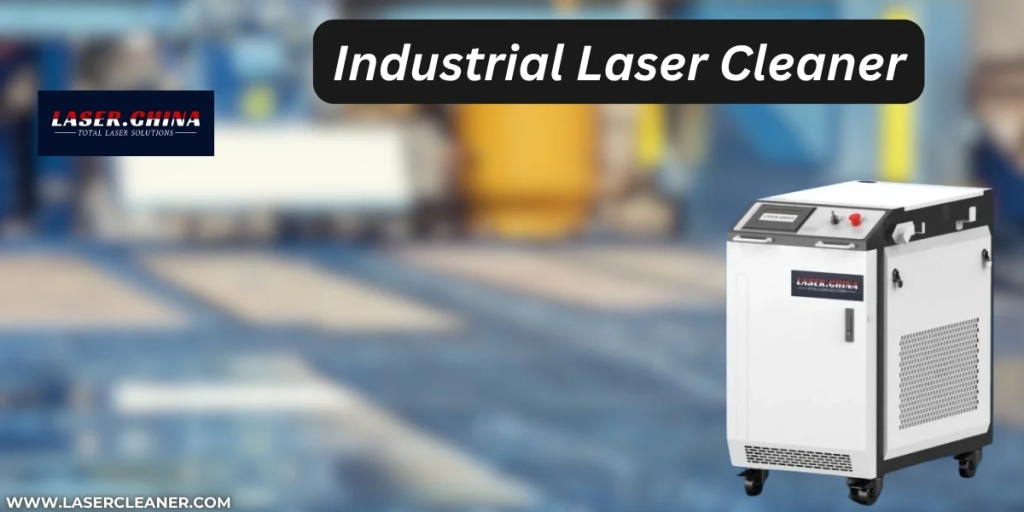
Handheld industrial laser cleaner represent the most versatile configuration for field applications and maintenance operations. These portable units typically weigh between 20-50kg, allowing operators to maneuver them in confined spaces or around large structures. The ergonomic design considerations include balanced weight distribution, intuitive control interfaces, and safety interlocks to prevent accidental exposure.
Modern handheld systems incorporate advanced features like real-time power adjustment, pattern selection, and integrated fume extraction. Their mobility comes with certain limitations – maximum power is typically capped around 500W due to thermal management constraints, and continuous operation may require periodic cooling pauses.
The handheld format proves particularly valuable for spot cleaning, repair work, and applications where the workpiece cannot be moved to a stationary system. Recent advancements have improved their durability and reliability for harsh industrial environments.
Robotic and Automated Cleaning Solutions
Automated industrial laser cleaner systems deliver unmatched consistency and productivity for high-volume industrial applications. These systems integrate industrial laser cleaner heads with robotic arms or CNC positioning systems, enabling precise, repeatable cleaning patterns across complex geometries.
The automation allows for seamless integration into production lines, with cleaning parameters digitally controlled and stored for different part numbers. Vision systems can be incorporated for automated detection of contaminated areas, optimizing both cleaning quality and cycle times. Robotic systems excel in applications requiring complete surface coverage or when cleaning forms part of a larger automated process.
The programming flexibility allows for customized cleaning patterns adapted to specific part geometries, with the ability to adjust parameters in real-time based on sensor feedback. These systems represent a significant capital investment but offer the lowest per-part cleaning cost in mass production environments.
Benchtop Laser Cleaning Stations
Stationary benchtop systems provide the highest precision for laboratory and small-part cleaning applications. These compact units offer stable, vibration-free platforms for delicate cleaning tasks where precision outweighs throughput requirements. The fixed configuration allows for optimized beam delivery and precise focus control, enabling cleaning operations with micron-level accuracy.
Many benchtop systems incorporate advanced features like microscope integration for precision work, controlled atmosphere chambers for specialized applications, and high-resolution scanning systems for selective cleaning. They’re particularly valuable for research applications, small-batch production, and cleaning operations requiring documentation of parameters and results.
The enclosed nature of most benchtop systems enhances safety while containing any fumes or particulates generated during cleaning. These systems typically offer the widest range of parameter adjustments, allowing fine-tuning for experimental or developmental work.
4. Safety & Compliance
Ignoring proper safeguards can turn an efficiency tool into a workplace hazard – rigorous protocols protect both your team and your investment.
Essential Laser Safety Features
Industrial laser cleaner systems must incorporate comprehensive safety measures to protect operators and comply with regulations. The primary safety systems begin with engineered controls – interlocked enclosures, beam shutters, and area scanning systems that prevent laser operation when safety conditions aren’t met.
Personal protective equipment remains mandatory, with specialized laser safety goggles selected for the specific wavelength and power level in use. Fume extraction systems are critical for maintaining air quality, with HEPA filtration often required for capturing fine particulates.
Emergency stop controls must be readily accessible, and systems should include redundant safety interlocks. Visual and audible warning systems alert personnel to laser operation, while beam path enclosures prevent accidental exposure. Regular safety audits and maintenance checks ensure these systems remain effective over time. The safety systems must account for both direct beam hazards and secondary risks like reflected beams or plasma emissions.
Regulatory Compliance Requirements
Industrial laser cleaner systems must adhere to stringent international safety standards that vary by region. In the United States, FDA/CDRH regulations classify lasers and dictate required safety measures based on power and wavelength. The European Union mandates CE marking with compliance to EN 60825-1 for laser safety, along with other applicable directives like the Machinery Directive. International Electrotechnical Commission (IEC) standards provide globally recognized guidelines, with IEC 60825-1 being particularly relevant.
Regional variations exist in areas like maximum permissible exposure limits, required warning labels, and training documentation. Certification processes typically involve third-party testing and verification of safety systems. Documentation requirements include detailed technical files, risk assessments, and comprehensive user manuals. Manufacturers must also consider transportation regulations when shipping laser systems, particularly for high-power Class 4 lasers.
5. Cost vs. ROI Analysis
A industrial laser cleaner real cost isn’t in the purchase price, but in how quickly it pays for itself through productivity gains and operational savings.
Comprehensive Cost Analysis
The financial considerations of industrial laser cleaner systems extend far beyond the initial purchase price. A complete cost analysis must account for capital expenditure, operating costs, maintenance requirements, and productivity gains. The purchase price varies dramatically based on configuration – from $20,000 for basic handheld units to $300,000+ for fully automated systems.
Consumable costs include replacement optics, filters, and laser source components, though these are typically far lower than traditional cleaning methods. Energy consumption represents an ongoing expense, with high-power systems drawing significant electrical loads. The true financial benefit emerges from productivity gains – industrial laser cleaner often operates 3-5 times faster than manual methods while requiring fewer operators.
Elimination of consumables like abrasives or chemicals provides substantial savings, as does reduced waste disposal costs. Downtime for maintenance must be factored in, though modern fiber lasers often achieve 50,000+ hours of operation before requiring service.
6. Vendor Reputation & Support
A top-tier industrial laser cleaner with poor support becomes a liability, while a properly backed system delivers lasting value throughout its lifecycle.
Vendor Evaluation Criteria
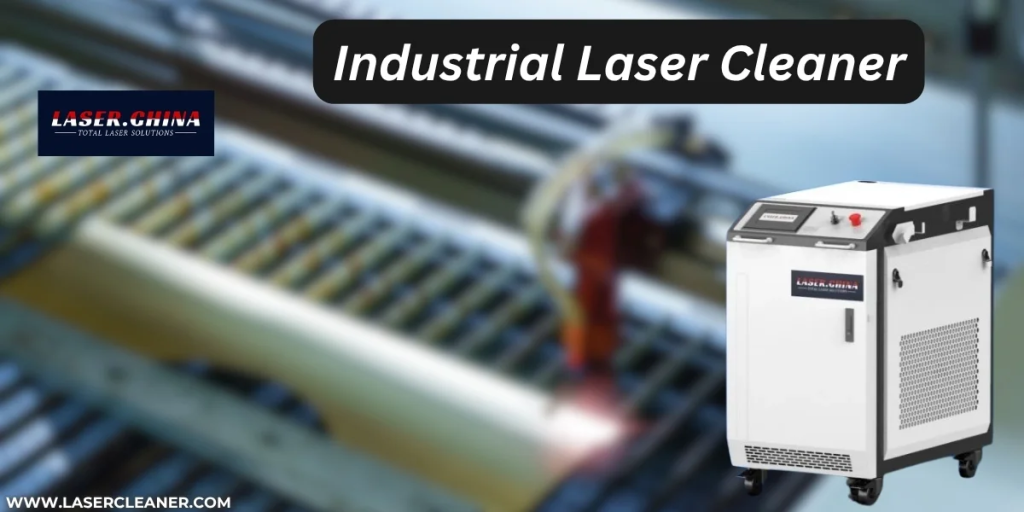
Selecting the right equipment supplier is as critical as choosing the proper technical specifications. A thorough vendor assessment should examine their track record in similar applications, availability of local service support, and spare parts inventory.
Technical support capabilities are paramount – look for vendors offering comprehensive training programs, detailed documentation, and responsive application engineering support. Warranty terms vary significantly between suppliers, with some offering extended coverage on critical components.
Financial stability of the supplier ensures long-term support availability, while a strong installed base indicates proven reliability. Reference checks with existing customers provide valuable insights into real-world performance and support responsiveness. The vendor’s commitment to ongoing product development suggests they’ll remain at the technological forefront.
Payment terms, lead times, and after-sales support structures all contribute to the total value proposition. A superior vendor relationship can significantly reduce lifecycle costs through optimized operation and minimized downtime.