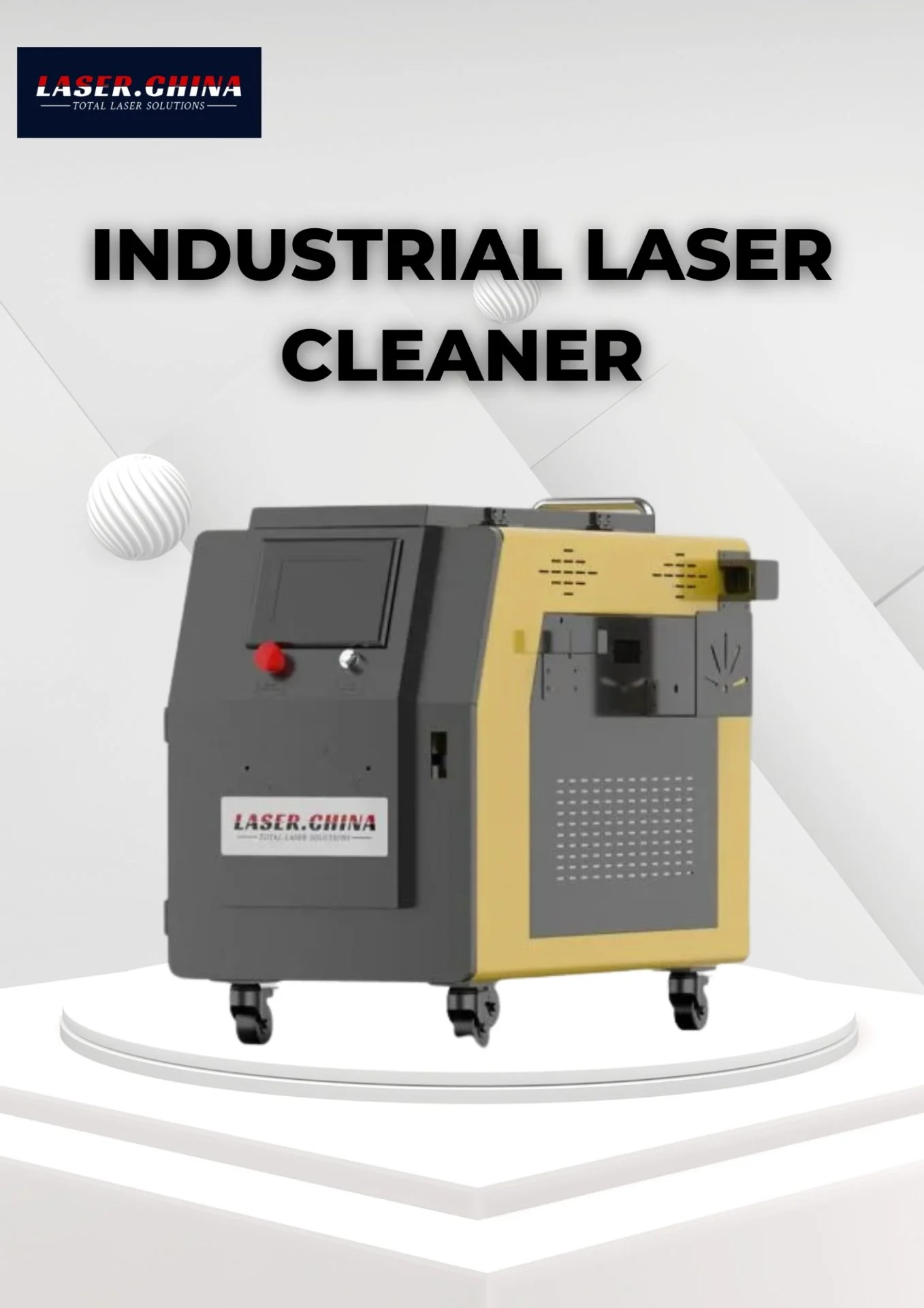
Industrial laser cleaners are transforming the way industries address cleaning challenges like rust removal, paint stripping, and surface preparation.
By offering a chemical-free and non-abrasive solution, these machines deliver efficiency and precision unmatched by traditional cleaning methods.
However, the power and intensity that make industrial laser cleaners so effective also introduce significant safety risks that cannot be ignored.
In industrial settings, where high-power Class 4 lasers are often used, even a small lapse in safety protocols can lead to severe consequences, ranging from personal injuries to equipment damage or operational disruptions.
Understanding and implementing proper safety measures is not just essential for compliance but also crucial for maintaining a safe and productive workplace.
This guide offers a detailed exploration of safety practices for operating industrial laser cleaners. Drawing on real-world case studies and proven methods, it aims to equip operators with the knowledge needed to mitigate risks effectively.
From understanding laser technology to selecting the right protective gear, this resource provides practical advice designed for immediate application.
Safety is not just a requirement; it’s a responsibility that ensures both operational success and the well-being of your workforce. Let’s dive into the ultimate safety advice to make industrial laser cleaner both safe and efficient.
Industrial Laser Cleaner Ultimate Safety Advice for Operators
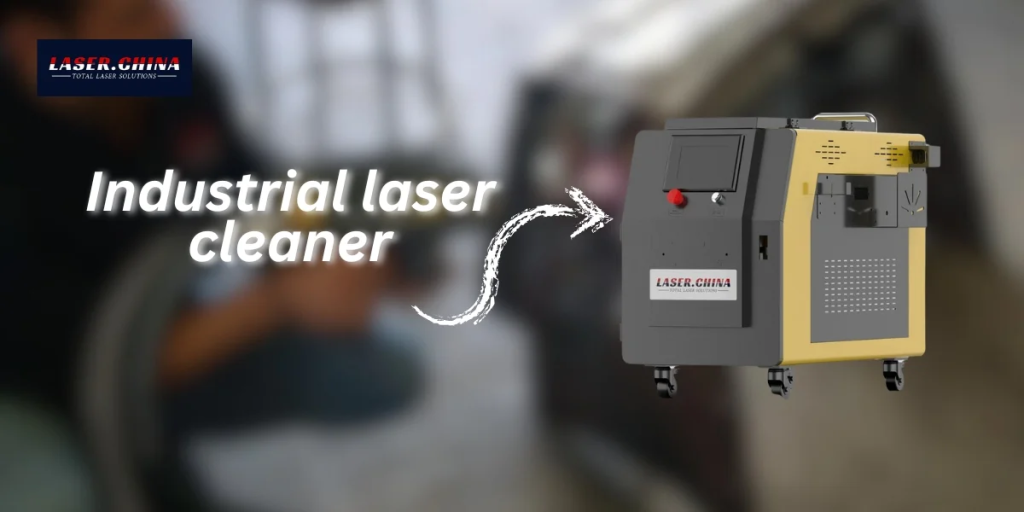
Industrial laser cleaner have revolutionized how industries tackle rust, paint, grease, and other contaminants. However, as powerful and efficient as they are, their use comes with inherent risks.
Proper safety protocols are not just about compliance but ensuring the well-being of operators and maintaining operational efficiency.
This ultimate guide offers practical, fact-based safety advice for operators of industrial laser cleaners, grounded in real-world case studies and backed by actionable insights.
Why Safety Matters in Laser Cleaning
Industrial laser cleaners operate using high-intensity laser beams to clean surfaces without the need for chemicals or abrasives.
While this technology is a game-changer in industries like aerospace, automotive, and manufacturing, it demands rigorous safety protocols to prevent accidents.
Missteps in handling these devices can lead to serious injuries, equipment damage, or even workplace shutdowns.
In this guide, we’ll address key safety concerns, debunk myths, and provide a roadmap for safe operation based on proven practices and case studies from the field.
Understanding How Industrial Laser Cleaners Work
The Science Behind Laser Cleaning
Industrial laser cleaners use focused laser beams to remove contaminants from surfaces. The laser energy is absorbed by the contamination layer, causing it to vaporize or dislodge without affecting the underlying material.
- Laser Classifications: Most industrial laser cleaner fall under Class 4 lasers, the highest risk category due to their power and potential for harm.
- Power Levels: Typical industrial laser cleaners operate between 50W and 1000W, with higher power levels offering faster cleaning but increased safety risks.
Common Applications
- Removing rust, paint, and coatings.
- Cleaning grease, oil, and residues from machinery.
- Surface preparation for welding or bonding.
- Restoration of historical artifacts.
Hazards to Watch For
Understanding the risks associated with laser cleaning is the first step toward safe operation:
- Laser Radiation: Direct exposure can cause severe skin burns or eye injuries.
- Fumes and Particulates: Vaporized contaminants may produce hazardous fumes.
- Reflected Beams: Accidental reflections can redirect the laser, posing unexpected risks.
Developing a Laser Cleaning Safety Mindset
1. Comprehensive Training for Operators
Operators should undergo specialized training that covers:
- Understanding laser classifications and risks.
- Proper use of safety gear.
- Equipment maintenance protocols.
Case Study: A manufacturing facility in Germany reduced laser-related incidents by 80% after implementing mandatory operator training programs.
2. Awareness of Workplace Hazards
Conduct a thorough risk assessment before using an industrial laser cleaner:
- Identify flammable materials in the vicinity.
- Ensure reflective surfaces are covered to avoid beam redirection.
- Check for proper ventilation to handle fumes.
Essential Safety Gear for Laser Cleaning
1. Laser Safety Glasses
Laser safety glasses are the most critical piece of personal protective equipment (PPE). Ensure they:
- Match the wavelength of the laser cleaner.
- Provide Optical Density (OD) ratings appropriate for the laser’s power level.
2. Protective Clothing
Operators should wear non-reflective, flame-retardant clothing to minimize the risk of burns.
3. Respiratory Protection
Laser cleaning can release toxic fumes. Use:
- Fume extractors to capture harmful emissions at the source.
- Respirators compliant with workplace air quality standards.
Case Study: An automotive plant introduced high-efficiency fume extractors and reduced operator respiratory complaints by 60%.
4. Safety Barriers and Signage
- Use enclosures or barriers to confine the laser beam.
- Display clear warning signs to alert others of potential laser exposure.
Step-by-Step Guide to Safe Laser Cleaning Operations
1. Pre-Operation Checklist
Before turning on the industrial laser cleaner:
- Verify that all safety equipment is in place.
- Inspect the Industrial laser cleaner for any visible damage.
- Ensure the workspace is clear of unauthorized personnel.
2. Proper Startup Procedures
- Follow the manufacturer’s startup sequence.
- Adjust the laser’s settings to suit the cleaning task.
- Perform a test run on a sample surface.
3. Safe Operation Practices
- Maintain a steady hand and proper distance from the target surface.
- Avoid pointing the laser beam toward reflective surfaces.
- Continuously monitor for signs of overheating or malfunction.
4. Post-Operation Procedures
- Turn off the industrial laser cleaner and disconnect the power supply.
- Inspect the cleaned surface and document any issues.
- Clean and store the equipment properly.
Common Mistakes and How to Avoid Them
1. Neglecting Safety Gear
Mistake: One of the most common safety oversights in Industrial laser cleaner operations is the failure to wear appropriate safety gear, especially laser safety glasses.
This neglect can lead to severe consequences, such as eye injuries, burns, or exposure to harmful fumes, depending on the nature of the cleaning task and the laser’s power.
Operators may underestimate the risks or avoid wearing gear for convenience, putting themselves and others at significant risk.
Solution: Enforce a strict “no PPE, no work” policy to ensure every operator wears the necessary protective equipment. Provide training that emphasizes the importance of safety gear, such as laser safety glasses that match the laser’s wavelength and protective clothing designed to resist burns.
Supervisors should perform routine checks to verify compliance, and organizations should invest in high-quality, comfortable gear to encourage consistent use.
By prioritizing safety gear, you can significantly reduce the risk of injuries and create a safer workplace environment.
2. Improper Ventilation
Mistake: Improper ventilation occurs when a building or space does not have enough airflow or air circulation. This mistake can result from a variety of causes, including an inadequate or outdated ventilation system, blocked vents, poor system design, or lack of maintenance.
When ventilation is insufficient, it leads to stale air, increased moisture, high levels of pollutants like dust, carbon dioxide, and VOCs, and discomfort for the occupants.
In addition to poor air quality, improper ventilation can cause temperature imbalances, increased humidity, and, in extreme cases, mold growth or damage to building materials.
This can affect health and lead to higher energy costs as heating and cooling systems work inefficiently.
Solution: To fix improper ventilation, consider the following solutions:
- Upgrade the Ventilation System: Evaluate and upgrade the current system to ensure it’s suitable for the space’s needs. Install mechanical systems such as HRV or ERV to ensure proper air exchange and airflow.
- Regular Maintenance: Clean ducts, filters, and vents regularly to maintain airflow and avoid dust buildup. Inspect and repair any damaged components, such as fans or ductwork.
- Increase Airflow: Add more vents or exhaust fans to areas that require extra ventilation, such as kitchens or bathrooms. Ensure that vents are not blocked by furniture or other obstructions.
- Control Humidity: Use dehumidifiers in damp areas to prevent moisture buildup and mold growth. This will also help maintain healthy humidity levels indoors.
- Ensure Proper Insulation and Sealing: Proper insulation prevents drafts and energy loss, and sealing air leaks around windows and doors will help maintain temperature balance and reduce the workload on the ventilation system.
- Use Air Purifiers: In areas where pollutants are a concern, install air purifiers with HEPA filters to remove dust, allergens, and other airborne contaminants.
- Improve Natural Ventilation: Open windows or install vents to encourage air movement, especially in spaces with poor airflow or in cooler weather.
3. Rushing the Process
Mistake: Rushing the process refers to the act of hastily completing a task without giving it the proper time, attention, and planning it requires.
This often occurs when there is pressure to meet a deadline, achieve quick results, or reduce the amount of time spent on a task.
The mistake with rushing the process is that it compromises quality and can lead to incomplete or faulty work. When done without careful consideration, the process may miss critical details, overlook potential risks, or result in unnecessary errors.
This is especially harmful in areas that require precision or long-term planning, such as in construction, project management, or even in personal tasks like writing or creative work.
Solution: To avoid rushing the process, the following strategies can help ensure thoroughness and quality:
- Plan Ahead: Allocate enough time for each stage of the task and break down the process into manageable steps. A clear plan helps avoid the temptation to skip important details.
- Prioritize Tasks: Identify the most crucial elements of the process and focus on completing those first. This helps maintain a high level of quality where it matters most.
- Allow for Buffer Time: Build extra time into the schedule for unexpected delays or issues. This reduces pressure and helps maintain a steady pace.
- Set Realistic Deadlines: Set deadlines that reflect the complexity of the task rather than rushing to meet an arbitrary or overly tight timeline.
- Stay Organized: Keep track of progress, review each step carefully, and double-check work as you go along. Being organized reduces the chances of missing important steps.
- Avoid Multitasking: Focusing on one task at a time allows for better concentration and quality work, instead of spreading attention thin across multiple tasks.
- Ask for Help: If the workload is too heavy, seek assistance from colleagues or others with experience. This ensures that the process is handled correctly without rushing.
Real-World Case Studies: Safety Lessons Learned
Case Study 1: Preventing Eye Injuries
A metal fabrication shop in the U.S. reported an incident where an operator suffered partial vision loss due to improper use of safety glasses. Post-incident, the company:
- Upgraded to glasses with higher OD ratings.
- Conducted refresher training on laser safety.
- Established weekly safety audits.
Case Study 2: Managing Toxic Fumes
A shipyard using industrial laser cleaners for rust removal faced complaints of poor air quality. They addressed the issue by:
- Installing centralized fume extraction systems.
- Rotating staff to minimize prolonged exposure.
- Regularly testing air quality to meet OSHA standards.
Regulatory Compliance for Laser Cleaning
1. International Standards
- ISO 11553-1: Safety requirements for laser processing machines.
- ANSI Z136.1: Safe use of lasers.
2. Workplace Safety Regulations
Ensure compliance with local regulations, such as:
- OSHA (USA): General laser safety guidelines.
- HSE (UK): Controlling risks from laser cleaning.
Future of Laser Cleaning Safety
1. Advancements in Laser Technology
Modern laser cleaners are being equipped with:
- Built-in safety sensors to detect hazardous conditions.
- Remote operation capabilities to keep operators at a safe distance.
2. AI-Driven Safety Features
Artificial intelligence is being integrated into Industrial laser cleaner to:
- Automate safety checks.
- Adjust power levels dynamically based on surface conditions.
Conclusion
Industrial laser cleaners are revolutionary tools that offer precision, efficiency, and eco-friendliness in industrial cleaning. However, their immense power demands a strong commitment to safety.
The risks associated with laser radiation, toxic fumes, and operational mishaps can be effectively mitigated by following established safety protocols, investing in proper protective equipment, and fostering a culture of safety among operators.
By understanding the technology, adhering to regulatory standards, and learning from real-world experiences, businesses can ensure their teams operate industrial laser cleaners safely and confidently.
Operators should never underestimate the importance of comprehensive training, regular maintenance, and risk assessments tailored to their unique environments.
Safety in laser cleaning is not just about avoiding accidents—it’s about maximizing efficiency, protecting personnel, and maintaining long-term operational success.
With the right mindset, tools, and practices in place, industrial laser cleaners can remain a cornerstone of innovation while keeping workplace safety a top priority.
Remember: safety is the key to unlocking the full potential of Industrial laser cleaner technology.