In modern manufacturing, efficiency is no longer just a goal—it is a critical factor that determines profitability, competitiveness, and the ability to meet customer demands. Production delays, inconsistent quality, and frequent equipment maintenance can significantly affect output and operational costs. As industries evolve, companies are increasingly looking for solutions that streamline processes without compromising quality or safety. One technology that has gained attention for its effectiveness in achieving these goals is the industrial laser cleaner.
Unlike traditional cleaning methods such as chemical baths, abrasive blasting, or manual scrubbing, industrial laser cleaner uses focused laser energy to remove rust, paint, coatings, and other surface contaminants. The process is precise, non-contact, and can be integrated directly into production lines, minimizing downtime while maintaining consistent results. Beyond just cleaning, this technology helps optimize workflows, extend equipment life, and reduce recurring material and labor costs.
As industries from automotive to aerospace and electronics adopt this technology, the impact on overall production efficiency becomes increasingly evident. In this guide, we will explain how industrial laser cleaners contribute to faster, safer, and more cost-effective production.
Table of Contents
- Industrial laser cleaner benefits for overall production efficiency
Industrial laser cleaner benefits for overall production efficiency
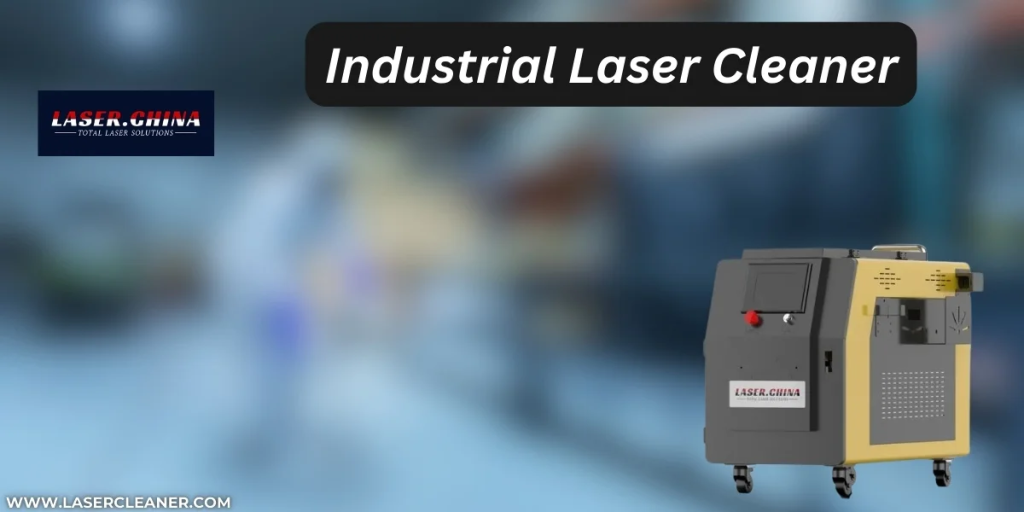
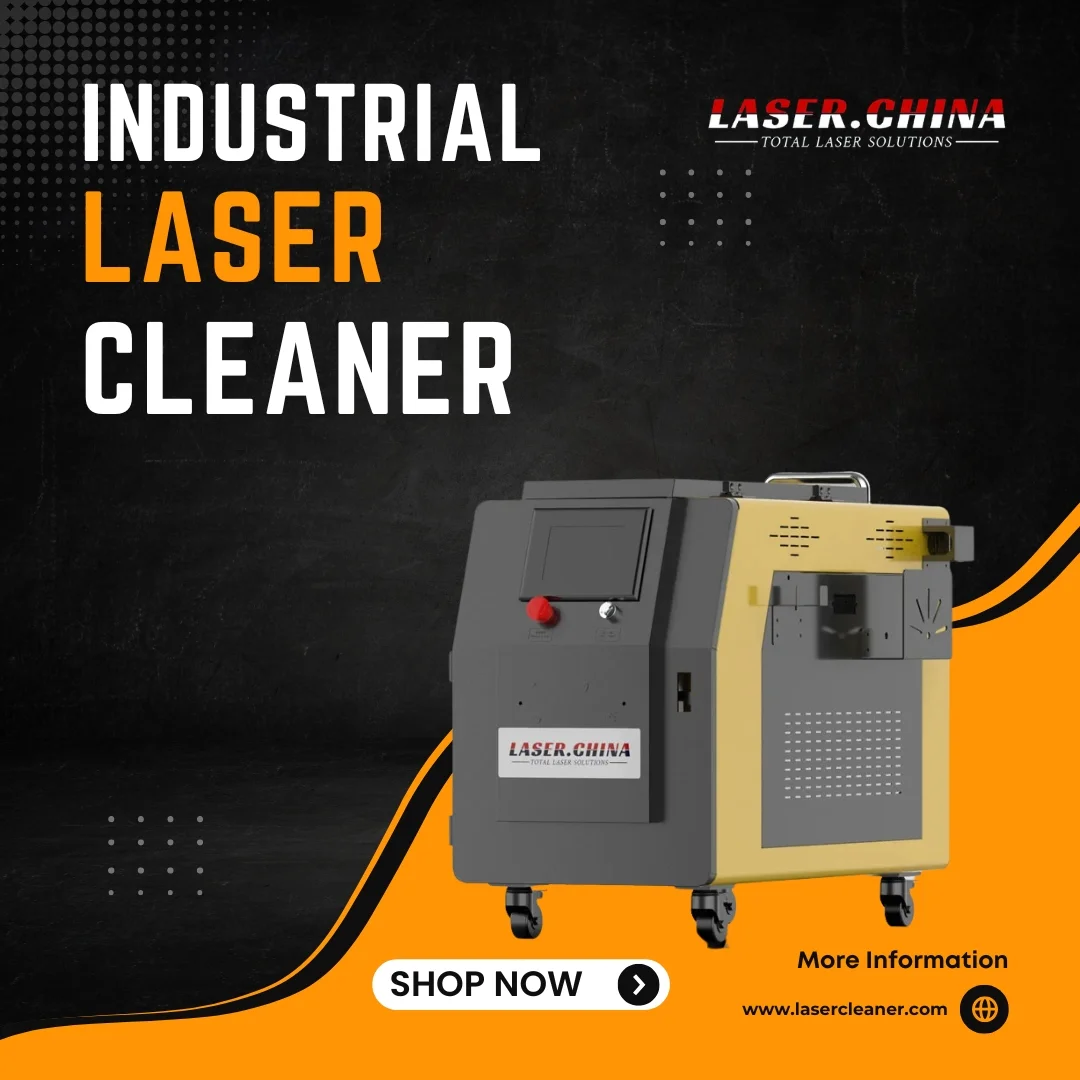
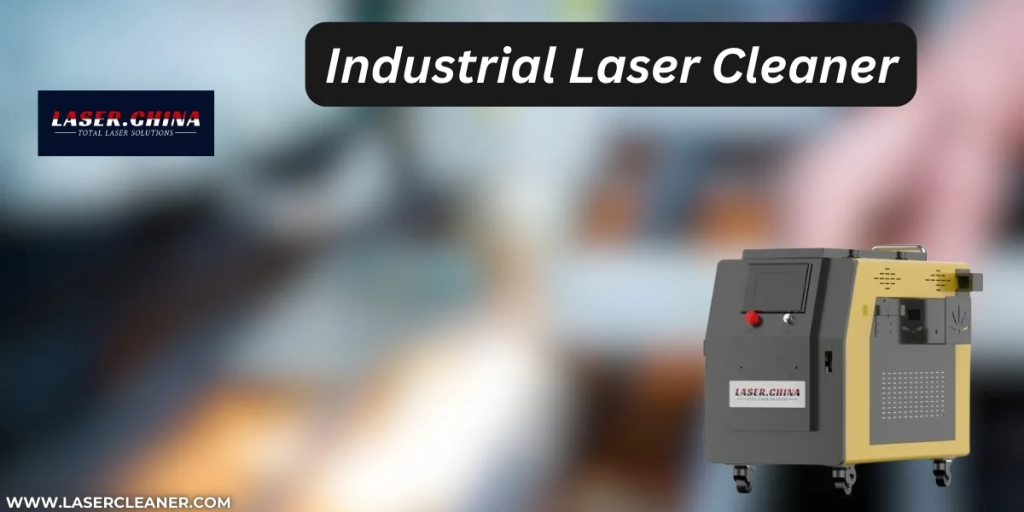
Industrial laser cleaners offer a cutting-edge solution that meets modern industrial and environmental requirements. An industrial laser cleaner typically uses a high-energy laser beam focused on a surface, vaporizing or ablating contaminants while leaving the underlying material unharmed. This process combines precision, speed, and sustainability, making it effective across a wide range of cleaning applications.
Why Choose the Best Industrial Laser Cleaner 2025
In the face of evolving industrial standards and growing environmental concerns, an industrial laser cleaner has become a sought-after tool for surface treatment. These machines vaporize rust, paint, oil, and other deposits without physically touching the base material. Because the laser beam is non-contact, it imposes no mechanical stress or abrasion on the surface.
This non-contact nature prevents scratches, wear or corrosion that conventional methods like sandblasting or chemical stripping often cause. The laser parameters can be finely adjusted, enabling precise removal of unwanted layers while preserving the substrate.
Laser cleaning is also very fast and efficient. A focused laser beam can scan and clean large areas uniformly. High-power laser systems can process dozens of square feet per minute, far exceeding the throughput of manual scrubbing or wet-chemical methods. Because the cleaning action is thorough and uniform, complex or irregular surfaces are cleaned in a single pass, greatly improving productivity.
Laser cleaners are versatile: they can remove rust, oxide films, grease, mold and coatings from a wide variety of materials, including metals, plastics, composites, stone and ceramics. This wide applicability means one machine can handle many tasks across industries.
From a cost and environmental standpoint, industrial laser cleaners have clear advantages. They use only electrical power and require no consumable media such as sand, grit or chemicals. This eliminates ongoing expenses for blasting materials and waste disposal. Maintenance is generally simpler and often involves just cleaning optical components. Over time, the low operating cost and minimal consumables make laser cleaning cost-effective.
Environmentally, laser cleaning is attractive because it produces almost no waste beyond the removed contaminants. There are no toxic fumes or liquid effluents, and any particulate matter can be captured with simple filters. Compared to harsh chemical solvents or dusty abrasives, lasers create a safer workplace by reducing operator exposure and environmental pollution.
How to Choose the Best Laser Cleaning Machine 2025
Choosing the right industrial laser cleaner requires evaluating its key specifications against your cleaning needs. Important factors include the laser source itself, the beam delivery optics, and the machine’s control and handling features. Together, these determine the machine’s performance, efficiency and suitability for a given task. By carefully considering these parameters and features, you can ensure the selected laser cleaner will deliver the expected cleaning results efficiently. The following sections discuss the main aspects of laser cleaning machine design to guide that choice.
Laser Cleaning Machine Parameter Selection
One of the most critical parameters of an industrial laser cleaner is its output power. Higher power lasers can remove contaminants faster and handle thicker coatings. For example, a 300 W pulsed laser delivers up to 300 watts of peak output, and many systems allow tuning from as low as 10% up to 100% of rated power. In general, increasing the power level shortens cleaning time and improves efficiency.
Most industrial cleaners use a 1064 nm fiber laser, as this wavelength is well absorbed by common metals and alloys. The type of laser source also matters: continuous-wave (CW) lasers have a simpler design and lower cost for routine tasks like rust or paint removal, while pulsed lasers deliver energy in short bursts. Pulsed lasers offer finer energy control and are preferred for precision cleaning, such as mold or electronics parts, because they minimize heat transfer to the base material.
Other parameters influence how the laser interacts with the surface. Pulse width (duration of each laser pulse) and repetition rate (frequency of pulses) together define the peak power of each shot. In practice, shorter pulses and lower frequency produce higher peak energy, which can enhance cleaning power for thick deposits. The energy per pulse (often in millijoules) is also key: larger pulse energy removes more material in each laser burst.
The beam profile is another factor: a flat-top profile spreads energy evenly across the spot, giving uniform cleaning results across the target area. High beam quality (a tightly focused, well-formed beam) concentrates energy efficiently, allowing very precise and controlled cleaning. Together, these laser parameters (power, wavelength, pulse characteristics, beam shape and quality) determine the machine’s effectiveness.
Finally, cleaning speed is determined by combining these factors with the scanning method; a high-performance laser cleaning machine with optimized parameters and fast beam scanning can clean more area per minute, greatly boosting productivity.
Control System
A reliable control system is essential for a precise industrial laser cleaner process. The control unit coordinates the laser output, beam scanning, and safety features to ensure stable and accurate cleaning. Many manufacturers develop specialized control software and hardware for their machines. For example, Dapeng Laser offers customizable control systems tailored to different industrial applications, which help operators adjust settings and monitor the process efficiently.
An advanced control system also enables integration with automation equipment and provides user-friendly interfaces. In practice, this means the operator can easily set cleaning parameters and trust that the machine will execute the task consistently and safely.
Manual, Automatic, and Robotic Type
Industrial laser cleaners are available in manual, semi-automatic and fully automated (robotic) configurations. Manual laser cleaners are often handheld or cart-mounted. These offer high flexibility for cleaning small batches or oddly shaped parts, but they require skilled operators to hold and steer the laser head.
Manual machines are suitable for maintenance work or sensitive parts where a person can judge the cleaning progress. Automatic laser cleaning machines, by contrast, are designed for high-volume or repetitive tasks. They may include features like vision cameras or conveyor systems that feed parts through the cleaning zone.
These systems can detect contamination and automatically control the laser path, enabling continuous cleaning without human intervention. The most advanced solutions are robotic laser cleaning cells, where the laser head is mounted on a multi-axis industrial robot.
Robotic systems combine precise motion control with laser cleaning; they reach complex geometries and can switch between tasks programmatically. While robotic setups have higher initial cost, they offer the highest throughput and consistency, making them ideal for large-scale manufacturing lines.
Industry Standards and Market Reputation
When selecting an industrial laser cleaner, priority should be given to equipment that meets national and industry safety standards. Certifications (such as CE marking or ISO compliance) indicate that the machine adheres to required technical and safety specifications.
It is also wise to consider the manufacturer’s reputation and customer feedback. Established companies with proven performance are more likely to provide reliable machines and strong after-sales support. In practice, researching user reviews or consulting with experts can help evaluate a brand’s quality and service.
A well-regarded brand typically ensures proper support, timely maintenance and a lower risk of downtime. In short, choosing a machine from a reputable supplier and verifying compliance with standards helps ensure a safe and dependable laser cleaning solution.
Choosing a Laser Cleaning Machine Based on Power Requirements
Laser cleaning machines are often classified by their output power, which should align with the intended application. Low-power units (up to about 100 W) are suited for very precise, sensitive cleaning tasks. These are commonly used for small-area work like electronic components, sculpture restoration, or precision instruments, where minimal heat impact and fine control are needed.
Medium-power machines (around 100–500 W) are ideal for general industrial jobs. For example, cleaning molds, removing rust from mechanical parts, or stripping paint from workshop fixtures. These machines offer a balance of cleaning speed and precision. High-power systems (1,000 W and above) are designed for heavy-duty applications.
They can rapidly remove thick rust or coatings over large surfaces, and are used in industries like shipbuilding, rail maintenance, or large equipment refurbishment. Such powerful cleaners clear heavy contaminants quickly, but they require more energy and may be larger. In summary, match the machine’s power level to the size and difficulty of the cleaning job: larger jobs and tougher deposits need higher-power lasers.
Top Laser Cleaning Machine Brands in 2025
Several companies are recognized leaders in industrial laser cleaner technology as of 2025. In China, Han’s Laser Technology Group is a major player, offering a wide range of mature, high-efficiency laser cleaning solutions used in manufacturing, automotive, electronics and other industries.
HGTECH (Huagong Laser) focuses on precision and adaptability; their machines are known for high precision and robust performance in demanding applications. Dapeng Laser, another Chinese brand, emphasizes cost-effectiveness and manufactures reliable cleaning equipment widely used in metal processing and machinery production. Other notable Chinese suppliers include Baison Laser and MAX Laser.
Baison provides machines across various power ranges with a balance of portability and industrial-grade performance. MAX Laser offers products known for good cost-performance and stable operation. Internationally, IPG Photonics (USA) is a leader in fiber laser sources; its high-power lasers enable top-end cleaning systems for high-demand industries.
TRUMPF (Germany) is a global laser equipment giant; its advanced cleaning systems are widely applied in automotive, aerospace and heavy industry, thanks to German engineering and extensive product lines. Each of these brands brings its own strengths, but all share a focus on reliable technology and quality service for industrial laser cleaner applications.
Top China Laser Cleaning Machines
Below are examples of Chinese-made industrial laser cleaner machines, illustrating different form factors and uses:
1. Backpack Handheld Laser Cleaning Machine
A backpack-style handheld laser cleaner is designed for mobility and field use. These units can operate on either battery power or AC power, allowing them to be used in remote locations or confined spaces. The lightweight, ergonomic design lets the operator carry the machine on their back or shoulder, providing flexibility for outdoor or high-access cleaning jobs.
Despite their portability, these machines still deliver strong laser power. They can quickly strip rust, oil stains, paint and other coatings from structures on-site, making them ideal for maintenance of bridges, tanks, pipelines and other large equipment where bringing in fixed machinery would be difficult.
2. 2025 Best Handheld Fiber Laser Cleaning Machine
Another category is the high-precision handheld fiber laser cleaner. These machines have an ergonomic pistol-grip handle and use pulsed fiber lasers, which allow the operator to fine-tune power and pulse settings. This fine adjustment enables micron-level precision cleaning, removing only the contaminants without damaging the substrate.
Such handheld units are suitable for delicate tasks in electronics, mold tooling, restoration of artifacts, and other applications requiring ultra-high accuracy. They often support multiple cleaning modes (e.g. fine, coarse, or wipe) to effectively handle different materials and contaminant types.
3. Automatic Laser Cleaning Machine
Automatic laser cleaning machines are built for efficient, unattended operation. They typically incorporate smart features such as vision recognition or sensors to detect contaminants on the surface and then automatically control the laser path.
With fast scanning mirrors and high-frequency pulses, these machines can clean continuously and rapidly. For example, they can remove rust, paint or grease from many parts on an assembly line without manual guidance. Automatic systems are often modular, making them easy to integrate into production lines. They usually support remote monitoring and diagnostics, ensuring stable and safe operation in industrial environments.
4. Robotic Laser Cleaning System
Robotic laser cleaning systems combine the laser head with a multi-axis industrial robot. This setup offers highly flexible motion, allowing the laser to reach complex surfaces and blind spots on large or irregular workpieces. The system automatically adjusts the process parameters so that cleaning quality remains consistent even on different geometries.
Robotic systems can switch between different cleaning tasks (such as degreasing, rust removal, surface preparation) with minimal reprogramming. They are well-suited for automated production in automotive, aerospace, heavy machinery and other industries, significantly reducing manual labor and increasing throughput.
Final Thought
An industrial laser cleaner is more than just a modern cleaning tool; it is a technology that directly improves how industries manage production efficiency. By using concentrated laser energy, it eliminates rust, paint, oil, and coatings without damaging the base material. This means cleaner surfaces, better preparation for welding or coating, and less downtime for machines.
Compared to traditional methods, the industrial laser cleaner reduces the need for consumables, lowers waste, and minimizes worker exposure to harmful chemicals or abrasive dust. It operates with consistency, precision, and speed, making it suitable for both small maintenance jobs and large-scale automated production lines. The variety of machine types—manual, automatic, and robotic—ensures flexibility for different industries and tasks.
In today’s competitive environment, companies need solutions that not only clean but also save time, reduce costs, and extend equipment life. The industrial laser cleaner provides all these benefits while supporting environmental and safety standards. For businesses aiming to strengthen productivity and reliability, adopting this technology is a step toward long-term operational efficiency.