
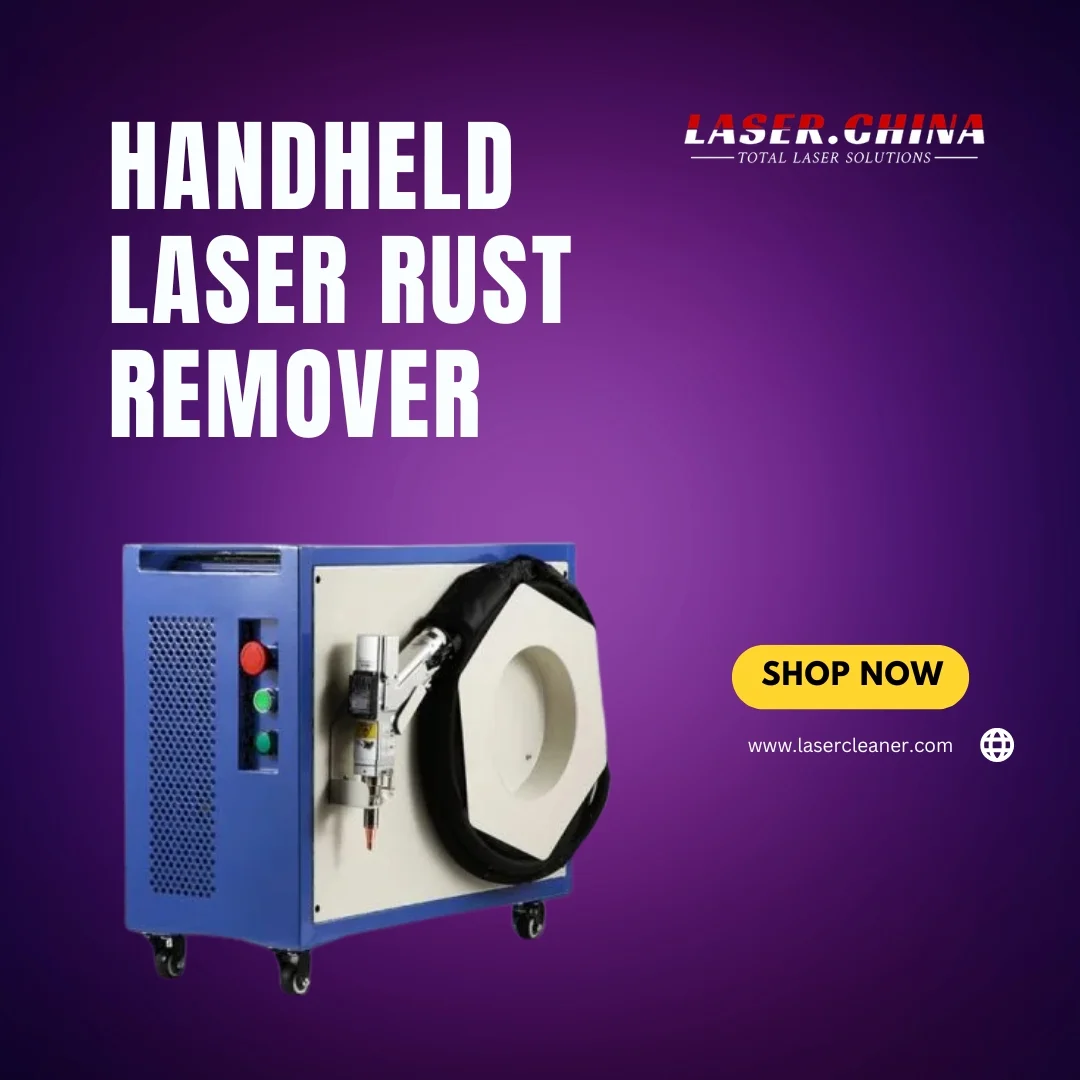
Rust removal has long been a challenge for industries like automotive repair, ship maintenance, construction, and manufacturing. Traditional methods—such as sandblasting, chemical stripping, and grinding—often come with environmental downsides. They generate dust, produce chemical waste, and consume significant resources.
As a result, companies and technicians are turning to cleaner, safer technologies—and the handheld laser rust remover is gaining ground. It promises precision, minimal waste, and no need for harsh chemicals. But with rising adoption comes a wave of questions and concerns, especially about its environmental impact. Is it truly eco-friendly? Are there hidden risks to air quality, soil, or regulatory compliance?
Despite its increasing popularity, many misconceptions still surround handheld laser rust remover—ranging from concerns about radiation to fears about energy use and emissions. Some believe it’s too high-tech to be practical or too powerful to be safe for the environment. Others see it as the future of sustainable surface treatment.
In this guide, we will explain the most common myths and real facts about the environmental and regulatory aspects of using handheld laser rust removers.
Table of Contents
- Handheld Laser Rust Remover Myths and Facts About Environmental Concerns
- Myth: Laser Rust Removers Release Toxic Fumes
- Myth: Laser Systems Consume Excessive Power
- Myth: Laser Cleaning Affects Soil and Surrounding Surfaces
- Myth: Lasers Create Radiation Hazards for the Environment
- Fact: No Chemicals Means No Water Pollution
- Fact: Waste is Solid, Dry, and Easily Contained
- Fact: Air Quality Is Easier to Control
- Fact: Energy Use Aligns with Clean Energy Goals
- Fact: Regulatory Compliance Is Straightforward
Handheld Laser Rust Remover Myths and Facts About Environmental Concerns
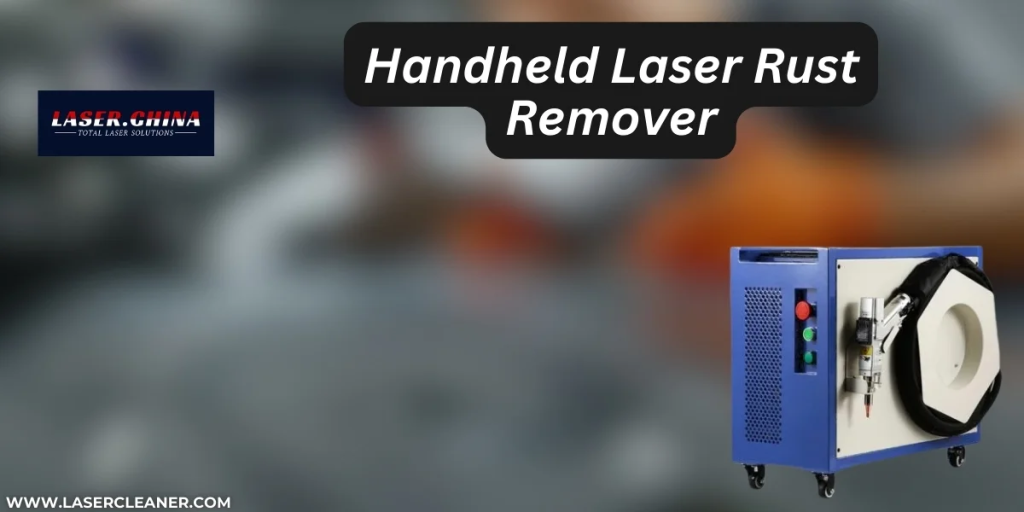
Rust is a persistent problem across many industries—from construction and automotive to marine and industrial maintenance. Removing it effectively and safely has always been a challenge. While traditional techniques like sandblasting, chemical stripping, and wire brushing are still in use, they often pose environmental hazards and workplace safety issues.
In recent years, a more modern alternative has entered the scene: the handheld laser rust remover. Marketed as a clean, chemical-free, and efficient tool, it has quickly gained popularity. But alongside that popularity comes skepticism, especially around environmental and regulatory impacts.
The concerns are understandable. New technologies often face scrutiny, and questions arise around energy consumption, emissions, health risks, and environmental safety. Some believe that lasers are inherently dangerous to nature or power-hungry to the point of inefficiency.
Others worry about compliance with workplace safety standards and local environmental laws. This guide explores those questions head-on, clearly separating myths from established facts and offering a grounded look at what really matters when it comes to using handheld laser rust removers in an environmentally responsible way.
Myth: Laser Rust Removers Release Toxic Fumes
One common misconception is that handheld laser rust removers release toxic fumes into the environment during operation. The truth is, the laser cleaning process does not use chemicals, so it doesn’t introduce harmful substances in the way traditional methods might. Instead, it uses focused light to heat and dislodge rust from metal surfaces through a process known as laser ablation.
What’s important to understand is that while the laser itself doesn’t emit toxic gases, the material being cleaned can. If the surface includes contaminants like paint, grease, or coatings, these materials might produce smoke or fine particles when vaporized.
This is why it is standard practice to pair the laser with an extraction or filtration system. These systems are specifically designed to capture airborne particles before they enter the environment or the operator’s breathing space. The emissions are thus manageable and contained, making the tool environmentally safe when used as instructed.
The fume concern comes not from the laser device itself, but from improper use on contaminated surfaces without proper ventilation or filtration. If the user is handling clean metal or rust, emissions are negligible.
Myth: Laser Systems Consume Excessive Power
Another common belief is that handheld laser rust removers use too much electricity, making them environmentally unfriendly. While laser technology does require a consistent power supply, the actual consumption is lower than most assume. A typical handheld laser rust remover operating at 1000W uses roughly 1.5 kilowatt-hours per hour of operation.
In comparison, sandblasting machines or chemical-based solutions often require additional equipment such as air compressors, drying units, or containment chambers that increase overall energy consumption.
Laser cleaning is also far more efficient in terms of time. Operators can remove rust faster with a handheld laser than with many manual methods. Less time in operation means less total energy used per task. More importantly, laser rust removal doesn’t require continuous refilling of chemicals or replacement of abrasive media. These supply chains and their associated transportation and manufacturing energy costs are completely avoided.
Therefore, while electricity is used, it’s used efficiently. This makes laser rust removal not only practical but also lower in overall carbon footprint compared to traditional alternatives when examined over time.
Myth: Laser Cleaning Affects Soil and Surrounding Surfaces
Some worry that using a handheld laser rust remover on-site might negatively impact the soil or other nearby materials, especially in outdoor settings. This is not the case. The laser beam is tightly focused and interacts only with the surface it is directed at. There is no overspray, no abrasive grit to scatter, and no chemical runoff that can seep into the ground or nearby water.
In conventional rust removal methods, debris and contaminants can spread beyond the work area, especially during sandblasting or chemical washing. This is not an issue with lasers. The entire process is dry, contained, and generates only a small amount of fine dust, which is usually captured by a built-in vacuum or filtration system.
This localized cleaning process makes the laser rust remover ideal for use in sensitive environments, including historical restoration or industrial sites near protected land or water. As long as basic operational safety guidelines are followed, there is no impact on soil, plants, or other materials in the vicinity.
Myth: Lasers Create Radiation Hazards for the Environment
There is often confusion between types of radiation, leading to the belief that lasers are hazardous in the same way as nuclear or UV radiation. Handheld laser rust removers typically use fiber lasers in the infrared spectrum, usually around 1064 nanometers. This is categorized as non-ionizing radiation. Unlike ionizing radiation, it cannot change the molecular structure of materials or harm living tissue at a distance.
The laser beam is concentrated and only becomes hazardous if directly exposed to the eyes or skin at close range. This is why personal protective equipment (PPE), such as laser safety glasses, is always required. But from an environmental standpoint, the beam does not linger, spread, or contaminate surrounding areas.
There is no residual radiation and no environmental fallout after use. Once the device is turned off, the beam ceases to exist. Proper training ensures safe operation, and environmental safety is not a concern when the tool is used responsibly.
Fact: No Chemicals Means No Water Pollution
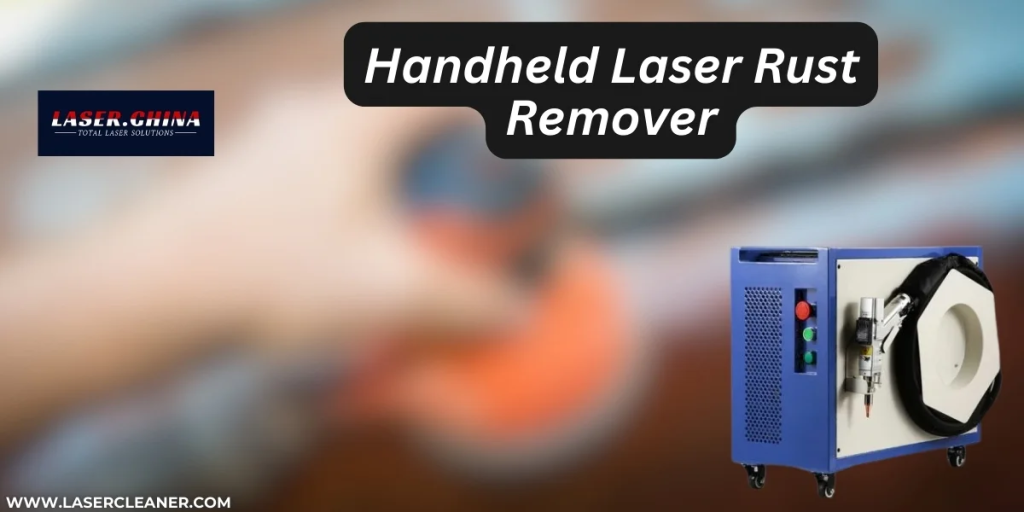
One of the strongest environmental benefits of the handheld laser rust remover is that it operates entirely without chemicals. Chemical rust removal relies on acids or solvents that must be carefully handled, stored, and disposed of. If spilled or improperly discarded, these substances can enter drainage systems, soil, or groundwater—posing serious ecological risks.
Laser cleaning completely avoids this issue. It’s a dry, chemical-free method that doesn’t require any additional materials to function. There is no risk of leaking containers, toxic runoff, or exposure to harsh substances. This means fewer regulatory requirements, no need for chemical handling training, and less environmental oversight.
In many industries, this factor alone is the deciding reason for switching to laser rust removal. It simplifies compliance with environmental regulations and reduces liability risks associated with hazardous waste.
Fact: Waste is Solid, Dry, and Easily Contained
Another key advantage of using a handheld laser rust remover is the type and amount of waste it generates. Traditional abrasive blasting methods produce large quantities of spent media—grit, sand, or soda—that must be collected and disposed of. Chemical stripping leaves behind toxic sludge and contaminated rinse water.
Laser rust removal, on the other hand, only produces fine dust. This dust is mostly composed of the material removed from the surface—oxide particles and rust flakes. With the use of a vacuum-assisted system, these particles are captured at the point of removal and stored in a sealed container. The waste can then be collected and disposed of in a safe and controlled manner.
This kind of dry, minimal waste generation makes the method not only efficient but also environmentally friendly. It reduces cleanup time and completely eliminates the problem of secondary waste contamination.
Fact: Air Quality Is Easier to Control
Maintaining clean air in a workspace is crucial, especially in enclosed environments. Sandblasting and grinding can create large clouds of airborne dust, which not only affects workers but can also spread to surrounding areas. Chemical cleaning may release VOCs (volatile organic compounds) into the air, affecting air quality and requiring ventilation.
A handheld laser rust remover produces far fewer airborne contaminants. The particles created during rust removal are small and generally remain in a concentrated area. With a proper fume extraction system, the operator can ensure that the particles are removed at the source. This not only protects the user but also maintains air quality across the site.
From an environmental and health perspective, this containment makes laser cleaning far easier to manage than traditional methods. It’s also beneficial for meeting local health and safety standards without complex or expensive mitigation systems.
Fact: Energy Use Aligns with Clean Energy Goals
Handheld laser rust removers can be easily integrated into modern energy strategies. Their moderate power requirements make them suitable for use in facilities that rely on solar panels or aim to reduce overall energy usage. Unlike industrial ovens, chemical baths, or large compressors, lasers have predictable and manageable energy needs.
For businesses focusing on energy efficiency, this tool fits within sustainability planning. The absence of consumables also supports waste reduction goals. There is no packaging, transport, or disposal cycle for chemicals or abrasive materials, which means a smaller overall environmental footprint.
This alignment with clean energy practices is becoming increasingly important as companies look to meet ESG (Environmental, Social, and Governance) targets or apply for sustainability certifications.
Fact: Regulatory Compliance Is Straightforward
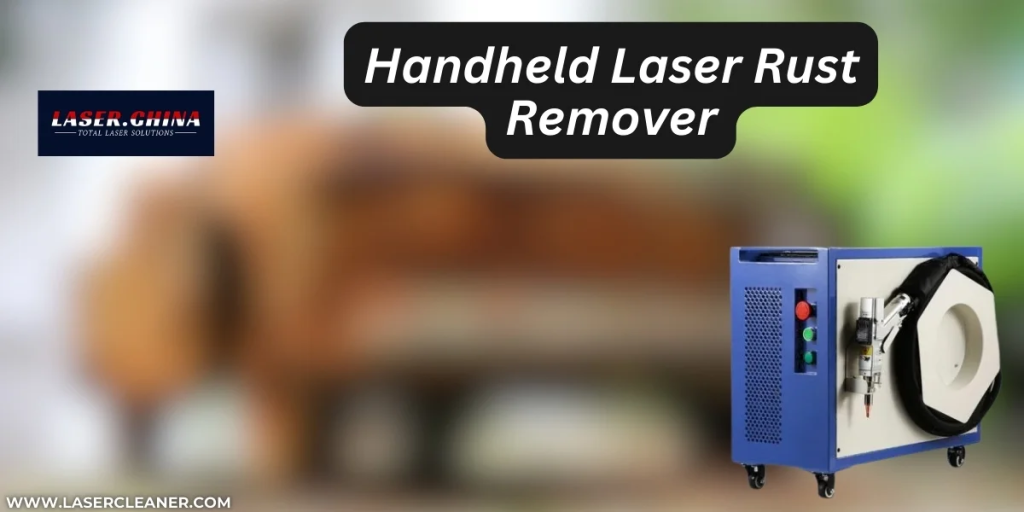
Using a handheld laser rust remover also simplifies regulatory compliance. In many regions, operations involving chemicals or particulate waste require detailed reporting, permits, and waste handling procedures. Laser cleaning avoids much of this complexity.
In the United States, the Occupational Safety and Health Administration (OSHA) classifies handheld laser rust remover as a physical cleaning process. There are specific safety standards for operating the laser, especially around eye protection and exposure limits, but these are generally easier to meet than those required for chemical use. The Environmental Protection Agency (EPA) does not regulate the laser device itself, only the materials being cleaned—if they contain hazardous substances.
In the European Union, the tool complies with REACH regulations because it introduces no hazardous substances during cleaning. In Asia, similar national standards apply. In each case, because the laser does not create, emit, or leave behind dangerous waste, it falls under lighter regulatory oversight.
As long as the machine is operated responsibly, with proper PPE and fume control, legal compliance is typically straightforward and far less burdensome than with traditional rust removal processes.
Final Thoughts
The shift toward cleaner, more sustainable rust removal methods is no longer optional—it’s becoming a necessity across industries. The handheld laser rust remover offers a reliable, chemical-free alternative that aligns with environmental goals and regulatory standards. By eliminating hazardous waste, reducing energy use, and minimizing airborne particles, it presents a practical solution without the complications of traditional methods.
Myths around emissions, radiation, and environmental harm often stem from misunderstandings or outdated information. The reality is clear: when used correctly with basic safety measures, the handheld laser rust remover is a controlled, efficient tool that supports both operational efficiency and environmental responsibility.
For businesses aiming to reduce waste, comply with safety regulations, and adopt more modern maintenance practices, this technology delivers measurable benefits. It’s not just a new trend—it’s a step toward smarter and safer industrial cleaning.
If you’re considering upgrading your rust removal process, the handheld laser rust remover deserves serious attention—for both performance and peace of mind.