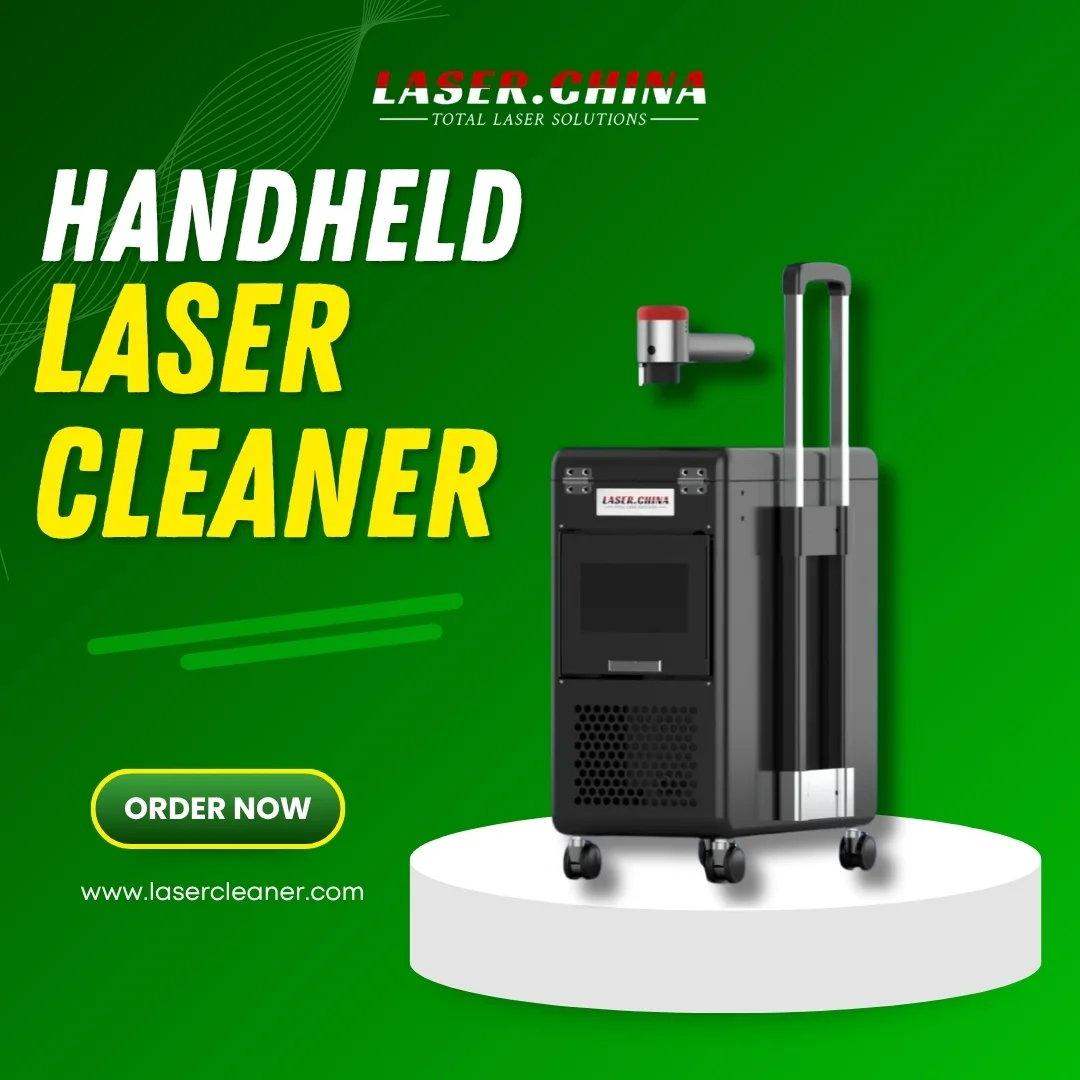
When it comes to surface cleaning in industrial and manufacturing environments, the handheld laser cleaner is quickly becoming a go-to tool. Unlike traditional cleaning methods that rely on chemicals, abrasive blasting, or manual scrubbing, handheld laser cleaner uses focused light energy to remove rust, paint, grease, and other contaminants with precision and control. It’s fast, contact-free, and generates minimal waste—making it an efficient solution for both small-scale operations and heavy-duty industries.
One of the most important decisions you’ll face when selecting a handheld laser cleaner is choosing the right power level. This isn’t just a technical specification—it directly impacts cleaning speed, surface compatibility, operational cost, and even safety. A unit that’s too weak might not get the job done efficiently, while one that’s too powerful can cause damage or drain unnecessary power and money.
Whether you’re in automotive maintenance, shipbuilding, manufacturing, or metal restoration, understanding the role of wattage is essential for making a smart investment.
In this guide, we will explain how to choose the best power level for your handheld laser cleaner based on real-world needs and practical factors.
Table of Contents
- Handheld Laser Cleaner Guide to Choosing the Best Power Level
Handheld Laser Cleaner Guide to Choosing the Best Power Level
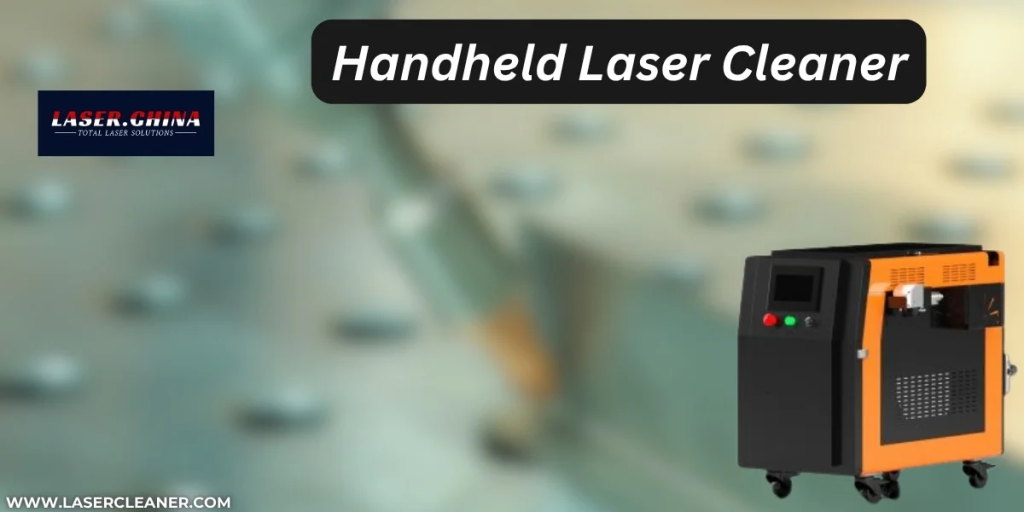
Choosing the right power level for a handheld laser cleaner isn’t just a technical decision—it’s a practical one that directly affects cleaning performance, cost, and safety. If you’re exploring this technology for the first time or upgrading your current unit, understanding how wattage impacts effectiveness can save you time, money, and future headaches.
What Is a Handheld Laser Cleaner?
A handheld laser cleaner is a portable industrial device that removes unwanted materials from surfaces using laser light. The process it uses is called laser ablation. During this process, a focused laser beam heats and evaporates contaminants such as rust, paint, oil, grease, or oxide layers without touching the material directly.
The machine directs a high-energy laser at the surface. This energy is absorbed by the top layer (the contaminant), which causes it to break down or vaporize. At the same time, the underlying material remains intact. This allows for precise, damage-free cleaning.
Unlike traditional methods like sandblasting or chemical stripping, handheld laser cleaners do not generate dust, require abrasive materials, or produce hazardous chemical waste. Their portability and simple operation make them effective in industrial, automotive, aerospace, and maintenance fields where targeted cleaning is required.
Why Power Level Matters
The power level of a handheld laser cleaner determines how efficiently and quickly it can clean a surface. Power is measured in watts (W), and it directly affects the intensity and output of the laser beam. Higher wattage means the machine can deliver more energy per second to the target area, resulting in faster and deeper cleaning.
Choosing the right power level is important for several reasons. First, it ensures that the machine can handle the specific contaminants you need to remove. Second, it determines how fast the cleaning process will be, which affects productivity and operational timelines. Third, it influences how much energy the system will consume and how long the equipment will last under your workload.
Selecting an inappropriate power level can lead to inefficiencies. A low-power machine may struggle with thick or stubborn materials, while a high-power machine used on thin surfaces may cause damage or consume more power than needed. That’s why matching power level with task requirements is essential for cost-effective operation and long-term performance.
Common Power Levels in Handheld Laser Cleaners
Handheld laser cleaners are available in several power options, each designed for specific cleaning applications. The most common power levels include 1000 watts, 1500 watts, and 2000 watts. Some manufacturers offer higher or lower wattages, but these three are the most widely used across industries.
A 1000-watt handheld laser cleaner is typically used for light-duty tasks. It’s suitable for removing surface rust, oil, or paint from small components. This type of cleaner offers moderate cleaning speed and is ideal for occasional use or low-volume work.
The 1500-watt handheld laser cleaner is a mid-range machine that balances speed and power. It handles a wider range of materials and is suitable for medium-thickness coatings. It’s often used in repair shops, tool cleaning, or small production environments where regular cleaning is necessary.
The 2000-watt version is a high-power unit designed for heavy-duty tasks. It removes thick rust, multiple paint layers, and industrial coatings quickly. It’s used in manufacturing, shipbuilding, construction, and other areas where high-volume or large-surface cleaning is required. This level of power typically requires more safety measures and is best suited for experienced operators.
Factors That Affect Your Power Level Choice
Choosing the right power level isn’t about going for the biggest number. It’s about matching the machine to the job. Here’s what to consider:
1. Material Type
The type of material you are cleaning with your handheld laser cleaner plays a major role in determining the correct power level. Different materials respond differently to laser energy based on their surface hardness, heat resistance, and reflectivity.
If you are cleaning thin metals such as aluminum sheets or stainless steel panels, a lower power level is usually enough. Thin materials require precision and care to avoid surface warping or discoloration. In such cases, a 1000-watt handheld laser cleaner may be sufficient for removing oxidation or light paint.
For thicker metals, like steel beams or cast iron, more power is needed to remove contaminants effectively. These materials often have deeper corrosion or multiple coating layers. A 1500- or 2000-watt machine is more suitable for these jobs.
Choosing the right power level for the material type ensures that you achieve the desired result without damaging the surface. Using too little power may lead to incomplete cleaning, while using too much can cause burns or deformation.
2. Contaminant Thickness
The thickness of the material you are removing also influences which handheld laser cleaner power level is appropriate. Thinner contaminants like light rust, oil, or thin paint require less energy to remove, whereas thicker contaminants need a more intense laser beam.
If you’re dealing with surface oxidation or a light coating of paint, a 1000-watt cleaner can often remove it efficiently. However, when working with layers of industrial paint, carbon deposits, or thick rust, a higher wattage is necessary to break through the material in a reasonable time.
A 1500-watt laser offers a good balance for medium-thickness coatings and is generally suitable for most manufacturing or maintenance tasks. For thicker coatings or situations where time is limited, a 2000-watt laser can complete the job more quickly.
Matching the power level with the thickness of the contaminant allows you to complete cleaning operations faster without repeated passes, which also helps prevent unnecessary wear on the equipment.
3. Working Speed
The working speed of a handheld laser cleaner is influenced directly by its power level. Higher wattage delivers more energy, which means the machine can cover more surface area in less time. This is a key consideration if cleaning speed is important to your operation.
If you’re operating in a workshop with a limited number of parts to clean, a slower working speed may be acceptable. In such cases, a 1000-watt unit can meet your needs without excessive cost. This is suitable for maintenance tasks or low-frequency cleaning jobs.
However, in environments where cleaning is a regular part of production—such as preparing metal before welding or stripping coatings from parts during refurbishing—speed becomes essential. A 1500-watt cleaner offers moderate speed and is often enough to keep pace with most job requirements.
For high-volume tasks where time is critical, such as in heavy manufacturing or industrial fieldwork, a 2000-watt cleaner provides the fastest operation. It reduces downtime and helps meet tight schedules by completing surface preparation rapidly.
4. Power Supply Availability
Another important factor when choosing the right handheld laser cleaner power level is the availability of power at your worksite. Laser cleaning systems require a stable power supply, and the higher the wattage, the more energy the machine draws.
Lower-powered devices, such as 1000-watt cleaners, often run on single-phase 220V power. These units are suitable for workshops, garages, and mobile applications where heavy-duty power lines are not available. They are easy to install and use in most standard environments.
As you move to higher power levels like 1500W or 2000W, the machines typically require three-phase 380V power. This is standard in industrial settings but may not be available in smaller facilities. Installing the necessary electrical infrastructure can increase initial costs and may involve permits or inspections.
Always check the electrical requirements before purchasing to ensure compatibility with your facility’s power system. Selecting a cleaner with a power demand that matches your available supply will prevent overloads and ensure continuous, safe operation.
5. Usage Frequency
The frequency with which you use a handheld laser cleaner should influence the power level you choose. Occasional users have different needs than companies that rely on the equipment for daily operations.
For occasional cleaning—such as maintenance tasks once or twice a week—a 1000-watt machine is often sufficient. It’s cost-effective, easy to handle, and doesn’t require extensive setup. These machines are also more forgiving in terms of wear and tear under light usage.
If your operations involve regular cleaning throughout the week, a more robust machine is needed. A 1500-watt cleaner offers durability and better performance over longer shifts. It provides a higher work rate without pushing the system to its limits.
Daily or multi-shift operations, such as in factories or shipyards, demand high reliability and fast throughput. A 2000-watt machine is better suited to these conditions. It is designed to handle continuous use and remove heavy contaminants without overheating or slowing down.
Matching the machine’s power to your usage frequency helps reduce maintenance downtime and improves long-term reliability.
6. Budget
Budget is always a major factor when investing in a handheld laser cleaner, and power level directly affects the cost of the machine. The higher the power, the more expensive the equipment. However, this must be balanced with your operational needs.
A 1000-watt cleaner is typically the most affordable option and fits well within the budget of small workshops or individual users. It handles basic cleaning tasks effectively without requiring large capital investment.
Mid-range machines, like the 1500-watt models, are more expensive but offer better performance and flexibility. They are a common choice for businesses that need higher efficiency but don’t require extreme power. They provide a good balance of cost and capability.
At the top end, 2000-watt machines have a higher initial price and may also come with increased power infrastructure and cooling requirements. However, they deliver faster cleaning and are better suited for large-scale operations where time and performance outweigh cost concerns.
Choosing the right power level according to your budget ensures that you don’t overpay for unused capability or underperform due to cost-cutting.
Real-World Use Comparisons
In real-world settings, the difference in power level becomes clear when machines are matched against specific jobs. Lower-powered units handle light work at a slower pace, while higher-powered units are used for intensive tasks and larger areas.
Operators working on small parts or light maintenance often prefer 1000-watt models for their portability and simple setup. Mid-size manufacturers who need consistent cleaning of molds, tools, or machine parts may use 1500-watt cleaners for their balance of speed and precision.
Heavy industries such as shipbuilding, oil & gas, or rail maintenance use 2000-watt machines to remove thick coatings, rust, or surface build-up across wide areas.
By aligning the machine’s power with task size, users can optimize results, reduce costs, and minimize unnecessary wear on the system.
Mistakes to Avoid When Choosing Power Level
Choosing the wrong handheld laser cleaner power level can lead to inefficiencies and long-term problems. A common mistake is overestimating the required power. Users often purchase high-wattage machines expecting better results, only to find them too powerful for delicate tasks. This can lead to surface damage or higher operating costs.
Another mistake is underestimating the demands of the job. A machine with too little power will take longer, overheat, or fail to clean thoroughly. This leads to repeated passes, increased labor time, and faster equipment degradation.
Some users also overlook the power supply requirements, only realizing after purchase that their facility cannot support the electrical demand of a high-wattage unit.
Not considering frequency of use is another issue. Occasional users may spend on heavy-duty models they don’t need, while frequent users may overwork light-duty machines, reducing their lifespan.
Avoiding these mistakes starts with a clear understanding of your cleaning requirements and choosing a machine that fits those needs exactly.
Maintenance Tips Based on Power Level
Regular maintenance keeps your handheld laser cleaner working efficiently and prevents unexpected failures. Maintenance needs vary by power level, as higher wattage machines produce more heat and experience more wear over time.
For 1000-watt machines, maintenance is relatively simple. Operators should clean the lens regularly, inspect the fiber cable, and ensure adequate ventilation. These machines generally have smaller cooling systems and are easier to maintain.
With 1500-watt units, maintenance becomes more critical. It includes checking the cooling system (often air or water-based), cleaning optics, and monitoring power output for consistency. Preventive maintenance should be scheduled to keep performance stable.
For 2000-watt machines, maintenance must be proactive and consistent. Water cooling systems must be checked for flow rate and fluid levels. The optics and beam path should be cleaned and aligned periodically. Software and power modules should also be updated and tested to prevent shutdowns during critical tasks.
By maintaining each machine according to its power level and usage, you can extend its operational life and reduce downtime.
Final Thoughts
Choosing the right power level for a handheld laser cleaner isn’t about picking the biggest or most expensive machine—it’s about aligning the tool with the real demands of your work. Whether you’re cleaning rust off small parts, stripping paint from medium-sized components, or preparing heavy industrial surfaces, the correct wattage ensures efficient results without unnecessary cost or risk.
A 1000W machine serves well in light-duty, occasional use cases. A 1500W unit offers a reliable middle ground for regular industrial cleaning. And for high-volume, heavy-duty operations, a 2000W system provides the speed and strength required to keep pace.
Understanding your materials, contamination level, workspace limitations, and cleaning frequency gives you the insight needed to make a smart, functional choice. With the right power level, your handheld laser cleaner becomes a productive, dependable tool that adds value from day one.