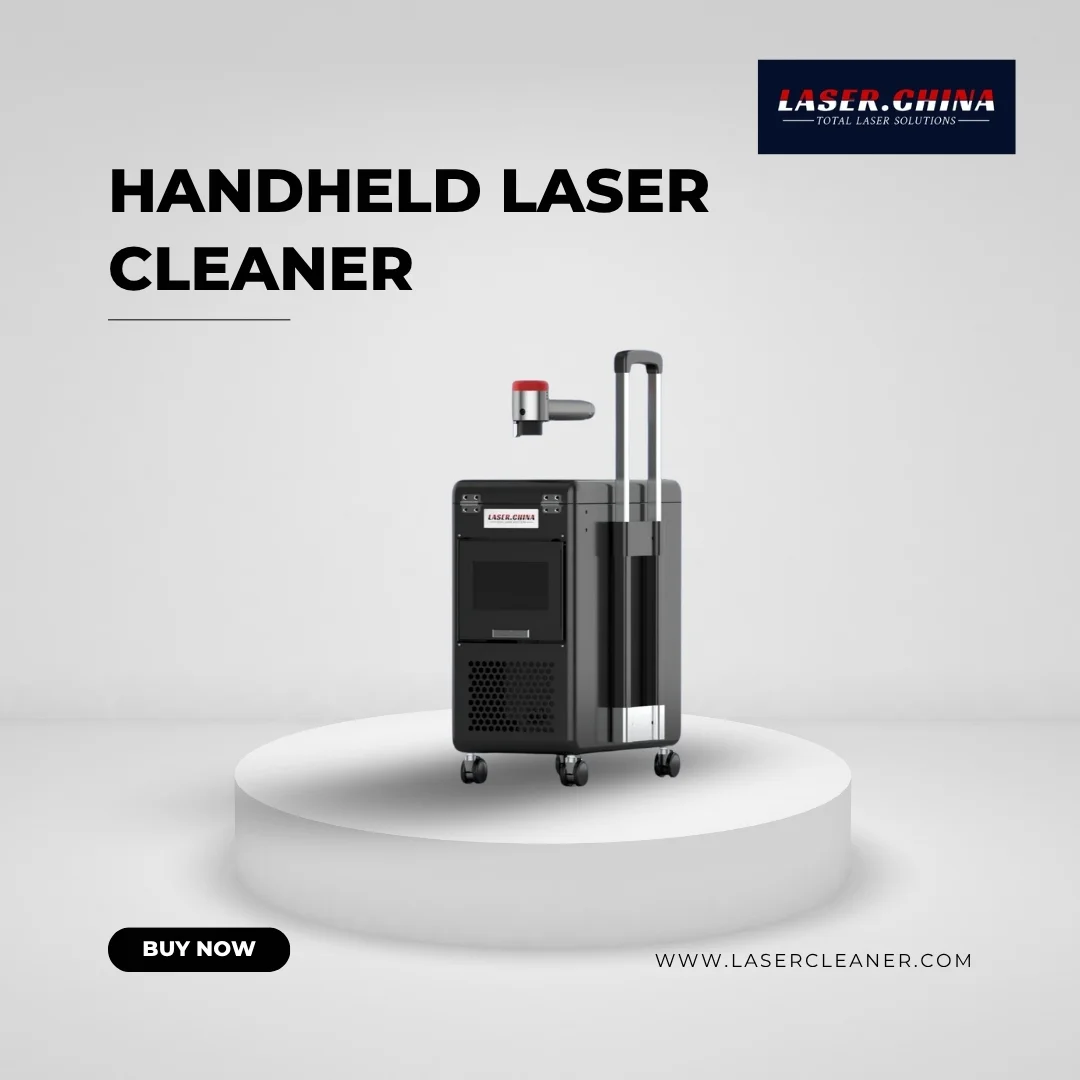
A handheld laser cleaner is a portable laser device designed to remove rust, paint, coatings, oxides, grease, or surface contaminants using focused laser energy. Instead of sanding, brushing, grinding, or chemical cleaning, the laser interacts only with the unwanted layer and lifts it from the material without physical contact. This makes handheld laser cleaners reliable tools for industries that require precision cleaning, minimal waste, and consistent surface preparation.
Over the past few years, handheld units have become popular because they are easy to operate, energy-efficient, and suitable for on-site cleaning tasks where mobility matters. Brands like LaserCleaner develop models that emphasize safety, portability, and controlled cleaning performance for various applications.
How a Handheld Laser Cleaner Works?
A handheld laser cleaner works through a process known as laser ablation. The device emits a beam of concentrated light that heats and breaks down contaminants without affecting the base material.
When the laser hits rust or paint, the layer absorbs the energy, expands rapidly, and detaches from the surface.
Operators control the cleaning strength using adjustable power levels, pulse settings, and scanning speed.
The laser beam is guided through optics that focus it precisely on the target area, enabling consistent cleaning even on uneven shapes.
Modern devices include cooling systems, interlocks, safety sensors, and preset modes to simplify operation.
This predictable and controlled process is the main reason handheld laser cleaners are becoming a preferred choice for both small workshops and industrial environments.
Key Elements of Laser Cleaning Technology
- Laser generator: Provides controlled power for light emission.
- Fiber delivery cable: Transfers laser energy to the handheld gun.
- Scanning head: Directs the beam in consistent patterns.
- Control settings: Let users adjust power and frequency.
- Safety interlocks: Prevent accidental exposure.
Why Laser Ablation Is Effective
- The substrate reflects most of the energy, preventing damage.
- Only the contaminant layer absorbs the laser light.
- Cleaning is precise, even on thin metals or complex shapes.
- No contact, vibration, or abrasive impact occurs.
Why Choose a Handheld Laser Cleaner?
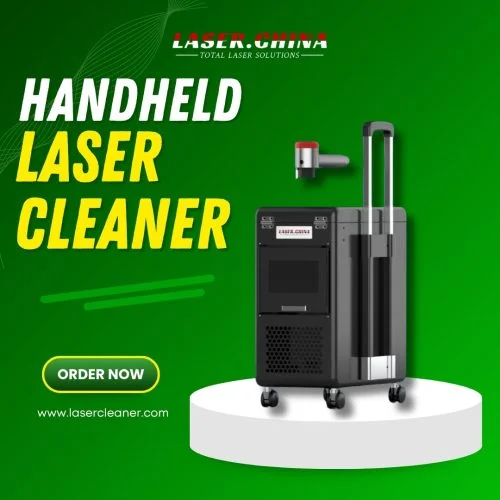
People choose handheld laser cleaners for simple and practical reasons: they remove contaminants quickly, require almost no consumables, and produce minimal waste.
Since they are non-contact devices, they preserve the underlying surface and eliminate problems caused by grinding or brushing. Handheld models are portable, so they can be used directly on machinery, tools, pipelines, or large equipment that cannot be moved easily.
The absence of chemicals makes them safer for operators and better for the environment. For businesses, handheld laser cleaners reduce long-term operating costs because there is no ongoing purchase of solvents, brushes, or blasting materials. Industries also prefer these devices because they offer repeatable results and require little rework.
Practical Advantages Over Traditional Cleaning
- No chemicals, sand, or blasting media required.
- Less dust and secondary waste.
- Lower long-term cost compared to consumable-based cleaning.
- Surface integrity remains intact.
- Suitable for sensitive metals and precision parts.
Who Benefits the Most
- Workshops need fast rust removal.
- Maintenance teams handling heavy machinery.
- Fabrication shops require surface prep before welding.
- Restoration experts are working on delicate historic items.
Benefits of Using a Handheld Laser Cleaner
Using a handheld laser cleaner offers measurable benefits that impact both productivity and long-term maintenance. The device provides consistent cleaning depth, allowing operators to work with confidence.
Because the laser interacts only with surface contaminants, the substrate remains undamaged, which is especially important in aerospace, automotive restoration, and industrial repair. The cleaning process is fast and reduces downtime, making it ideal for facilities where efficiency matters.
Handheld laser cleaners also reduce operational risks because they eliminate hazardous chemicals and the handling requirements associated with them. Brands like LaserCleaner build machines with preset operating modes, which help new users achieve effective results with minimal learning time.
Core Benefits
- Precision: Only the contaminant is removed.
- Speed: Cleaning is faster than manual grinding or chemical soaking.
- Eco-friendly: No chemicals or consumables.
- Safety: No abrasive debris or harmful solvent fumes.
- Cost control: Long lifespan with predictable maintenance.
- Consistency in Output
- Repeatable cleaning patterns.
- Controlled power levels.
- Uniform results across different surfaces.
How to Use a Handheld Laser Cleaner Safely and Effectively
Using a handheld laser cleaner safely requires attention to settings, protective equipment, and proper handling technique. Operators should begin by selecting appropriate power and frequency levels based on the material and contamination type. Before cleaning the full surface, testing on a small area ensures that the settings match the job requirements.
Maintaining a consistent distance between the laser head and the surface improves cleaning quality. Laser-rated safety glasses are mandatory for all operators, and the workspace should have appropriate ventilation to manage fumes and particulates.
Brands like LaserCleaner provide detailed user manuals with recommended settings for different materials and detailed safety guidelines.
Safe & Effective Use Checklist
- Wear certified laser safety goggles.
- Use proper ventilation or fume extraction.
- Start with low power and adjust gradually.
- Maintain a steady cleaning pattern.
- Follow all manufacturer interlock and safety instructions.
Common Mistakes to Avoid
- Holding the laser too close for too long.
- Using maximum power unnecessarily.
- Skipping protective eyewear.
- Ignoring cooling breaks for long sessions.
Applications of Handheld Laser Cleaners in Home and Industry
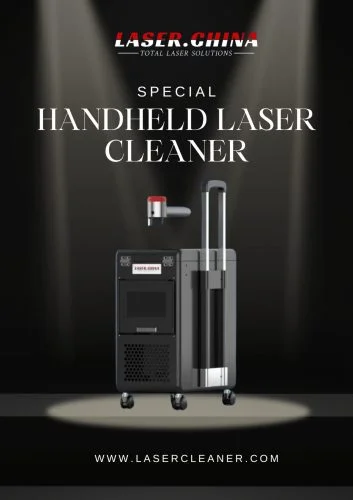
Handheld laser cleaners are used across industries because they work on metals, composites, molds, historical artifacts, and mechanical parts. In industrial settings, they are commonly used for rust removal, paint stripping, mold cleaning, and weld preparation. Home users and small workshops benefit from them for restoring tools, removing surface oxidation, cleaning automotive parts, and preparing metal for hobby fabrication work.
Because the technology is contact-free, delicate surfaces like aluminum, copper, and thin stainless steel can be cleaned without distortion. LaserCleaner handheld units are designed to be versatile so they can be used in maintenance, production, repair, restoration, and service environments.
Industrial Uses
- Machinery rust removal
- Pipeline cleaning
- Weld preparation and post-weld cleaning
- Mold cleaning in manufacturing
- Surface preparation for coating or painting
Home and DIY Uses
- Restoring tools and metal furniture
- Car part cleaning
- Removing oxidation or tarnish
- Cleaning outdoor equipment
- Removing adhesive residues
Tips for Maintaining Your Handheld Laser Cleaner
Maintaining a handheld laser cleaner is simple but essential for stable performance. Regular inspection of the optics helps prevent contamination that could affect beam quality. Cooling systems must remain clean and functional to avoid overheating. Fiber cables should be handled carefully and stored properly to prevent bending or damage.
Software and firmware updates help maintain performance and safety features. Following a consistent cleaning and inspection routine extends the lifespan of the device and reduces unexpected downtime. LaserCleaner provides clear maintenance guidelines and support for all its units.
Maintenance Checklist
- Inspect and clean the lens regularly.
- Keep cooling channels free from dust.
- Check fiber cable integrity.
- Update firmware when available.
- Store the unit in a dry, stable environment.
Signs Your Laser Needs Service
- Reduced cleaning speed.
- Inconsistent cleaning patterns.
- Overheating or unusual noise.
- Warning indicators on the control panel.
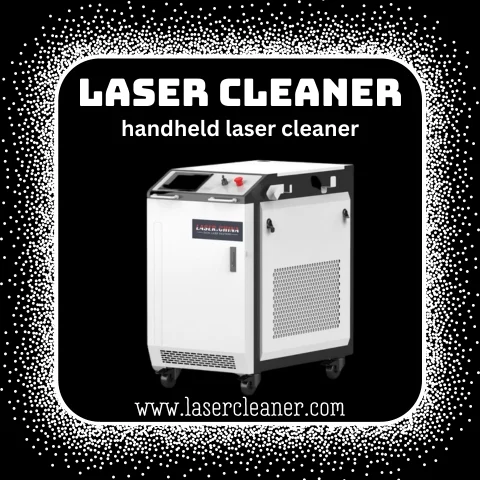
LaserCleaner: A Practical Choice for Handheld Laser Cleaning
LaserCleaner offers handheld laser cleaning devices designed for reliable performance, straightforward operation, and long service life. The brand focuses on practical engineering: stable laser output, ergonomic design, and safety features that support everyday users.
Whether the goal is rust removal, surface preparation, or industrial maintenance, LaserCleaner’s handheld lineup provides the required cleaning strength with controlled operation.
Buyers can explore models directly through the brand’s website and access manuals, support materials, and accessories. For individuals or companies seeking a dependable handheld laser cleaner with verified support, L/aserCleaner is a natural option.
Why LaserCleaner Fits Naturally
- Clear specifications
- Stable performance
- Reliable support
- Easy-to-follow documentation
- Practical design suited for real-world cleaning tasks
Final Thoughts
Handheld laser cleaners have become a practical tool for industries and home users who require clean surfaces without the drawbacks of traditional methods.
The technology is straightforward, efficient, and precise, allowing contaminants to be removed while protecting the underlying material. Their portability, low maintenance requirements, and long-term cost benefits make them an effective choice for rust removal, surface preparation, and equipment restoration. With brands like LaserCleaner, users have access to devices built for real-world use, supported by clear documentation and reliable performance.
For anyone considering a modern solution to surface cleaning challenges, a handheld laser cleaner offers consistent results and long-term value.