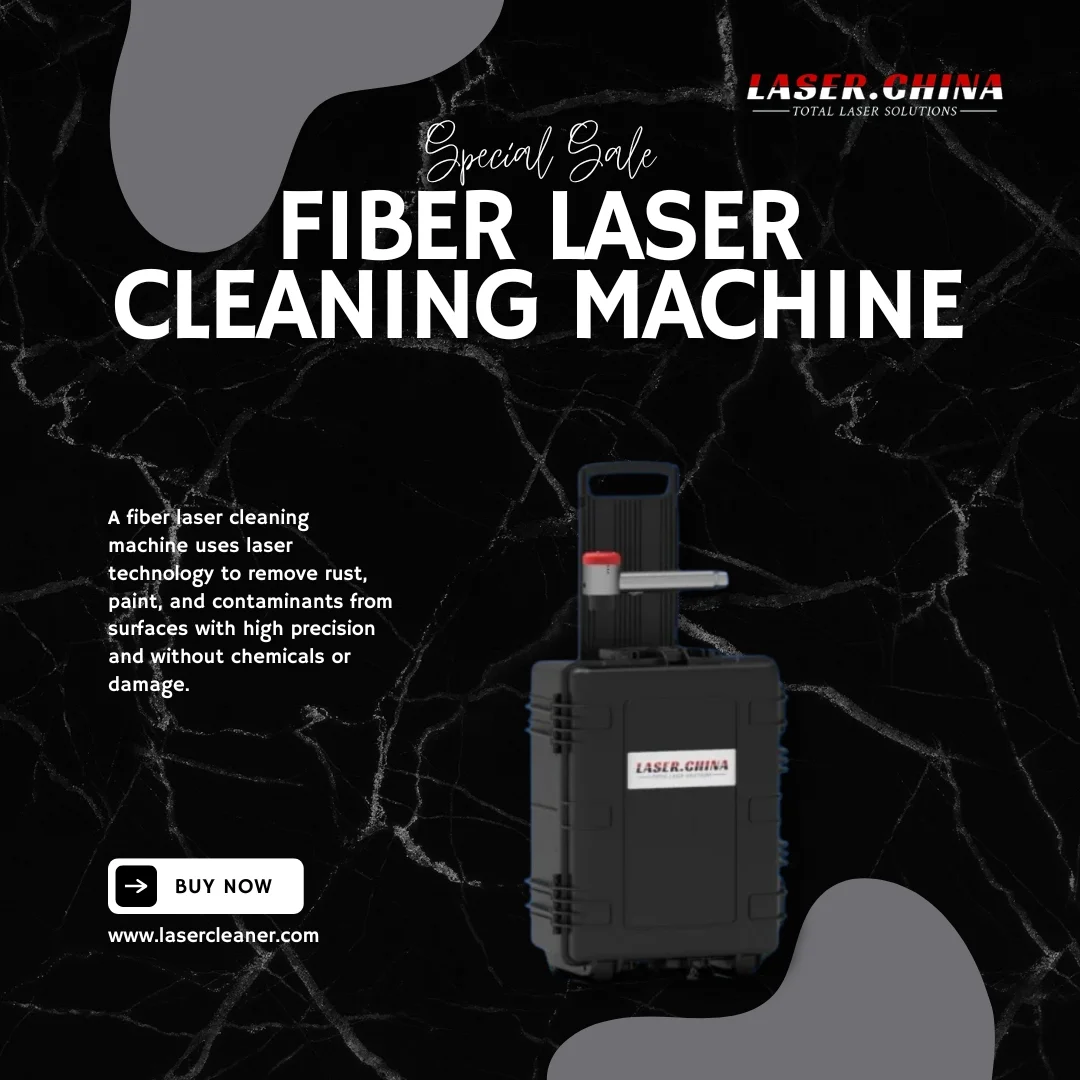
In recent years, fiber laser cleaning machines have revolutionized the way industries approach surface cleaning and preparation. Unlike traditional methods such as abrasive blasting or chemical treatments, fiber laser cleaning machine offers a precise, environmentally friendly, and highly efficient solution. Its ability to selectively remove contaminants, rust, paint, and other unwanted layers without physical contact makes it especially appealing across sectors like aerospace, electronics, and cultural heritage preservation.
However, when it comes to cleaning delicate surfaces, the technology’s power becomes a double-edged sword. Delicate materials—ranging from thin metals and sensitive coatings to fragile composites and priceless artifacts—require an exceptionally careful approach. The high energy concentrated in a fiber laser cleaning machine beam, if not expertly controlled, can cause irreversible damage such as warping, discoloration, or even material loss. This raises a critical question: how can one harness the effectiveness of fiber laser cleaning machine while ensuring the utmost safety for these sensitive surfaces?
Whether you’re an engineer, technician, or conservator, understanding these insights will equip you with the knowledge to confidently and safely use fiber laser cleaning machines on the most fragile surfaces, maximizing results while minimizing risks.
Table of Contents
- Fiber Laser Cleaning Machine Safety Secrets for Delicate Surfaces
- The Fundamentals of Fiber Laser Cleaning Technology
- The Science Behind Laser and Material Interaction
- Critical Safety Considerations When Cleaning Delicate Surfaces
- In-Depth Case Studies Demonstrating Safety in Action
- Risks and How to Mitigate Them
- Best Practices for Maximum Safety and Cleaning Efficiency
Fiber Laser Cleaning Machine Safety Secrets for Delicate Surfaces
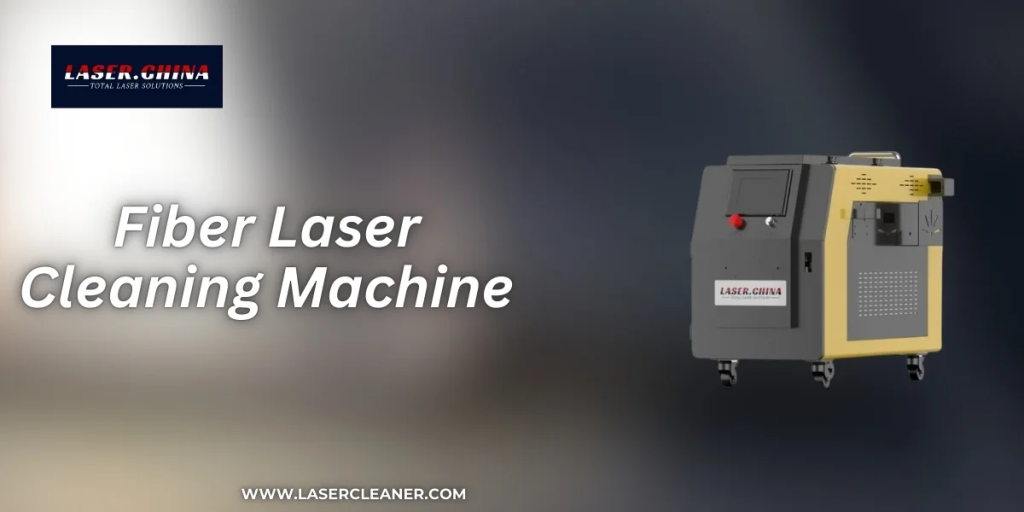
Fiber laser cleaning machine technology is a powerful, innovative solution for removing contaminants, rust, paint, oxides, and other unwanted materials from a variety of surfaces. It has transformed how industries approach cleaning due to its efficiency, precision, and environmental friendliness. However, when the subject shifts to delicate surfaces—such as thin metals, sensitive coatings, composites, or historical artifacts—the stakes are significantly higher. Cleaning with fiber lasers on these surfaces demands not just knowledge of the technology, but an intimate understanding of how the laser interacts with different materials and how to control that interaction safely.
This detailed guide aims to uncover the critical safety secrets behind fiber laser cleaning machine on delicate surfaces. We will explore the underlying scientific principles, dissect each safety consideration, analyze relevant case studies, and provide practical strategies to ensure that cleaning processes are both effective and risk-free. This will empower technicians, engineers, conservators, and decision-makers to confidently use fiber laser cleaning machine technology without compromising the integrity of fragile materials.
The Fundamentals of Fiber Laser Cleaning Technology
Before diving into safety specifics, it’s crucial to understand how fiber laser cleaning machines operate at a basic level. Fiber lasers produce a highly concentrated beam of light at a near-infrared wavelength, typically around 1064 nanometers. This beam is directed in short pulses onto a surface that needs cleaning.
The core mechanism here is called laser ablation. When the laser pulses hit the contaminant layer (rust, paint, oil, or dirt), they cause the material to absorb energy, rapidly heat up, and vaporize or break apart into small particles. Because the laser can be finely controlled to target only the contaminant layer without heating the underlying material significantly, this process is often considered “non-contact” and highly selective.
The fiber laser’s ability to emit ultra-short pulses, sometimes in the nanosecond to femtosecond range, allows the operator to deposit energy quickly and locally. This is essential for cleaning delicate surfaces because it minimizes the heat transfer to the substrate below. However, understanding how different laser parameters influence this interaction is fundamental for preventing damage.
The Science Behind Laser and Material Interaction
Energy Absorption and Heat Dynamics
Every material responds uniquely to laser energy based on its optical and thermal properties. When a laser pulse hits a surface, energy absorption depends on:
- The material’s color and reflectivity: Darker surfaces tend to absorb more laser energy, while shiny or reflective surfaces may reflect a significant portion, reducing absorption.
- Thermal conductivity: Materials that conduct heat away rapidly can better withstand laser pulses without local overheating.
- The thickness and structure of the material: Thin or layered materials may conduct heat differently than bulk materials, influencing their sensitivity to laser exposure.
The laser’s energy absorption results in rapid heating of the contaminant layer. If the laser energy is controlled correctly, this heating is confined to the contaminant, causing it to vaporize without affecting the underlying surface.
However, on delicate surfaces, the substrate’s thermal mass is often low, meaning even small amounts of heat can spread into the material and cause:
- Thermal expansion or warping due to uneven heating,
- Microstructural changes such as phase transformations or grain growth in metals,
- Discoloration or oxidation caused by excessive local heating,
- Mechanical damage like cracking or delamination in coated or composite materials.
Pulse Duration and Heat Confinement
One of the key aspects of safe fiber laser cleaning machine is the duration of the laser pulse.
- Ultrashort pulses (femtoseconds to picoseconds): These deliver energy in incredibly brief bursts. The rapid energy delivery causes the contaminant layer to ablate before heat has time to diffuse into the substrate. This limits thermal damage and is especially effective on heat-sensitive materials.
- Longer pulses (nanoseconds to microseconds): Energy is deposited over a longer time frame, allowing heat to transfer into the base material, increasing the risk of damage.
For delicate materials, ultrashort pulses are preferable. However, these systems can be more complex and expensive, so operators must weigh cost versus application needs.
Critical Safety Considerations When Cleaning Delicate Surfaces
Cleaning delicate materials with a fiber laser cleaning machine requires detailed attention to several factors to avoid irreversible damage.
Comprehensive Material Analysis
Before cleaning, a thorough analysis of the material to be cleaned is essential. This should cover:
- Thermal properties: Knowledge of the melting point, thermal conductivity, and heat capacity of the substrate helps predict how heat will spread.
- Optical properties: Understanding how much laser energy the material absorbs versus reflects guides laser parameter settings.
- Mechanical and chemical stability: Some materials can degrade chemically or physically under heat or laser exposure.
For example, aluminum, widely used in aerospace, has a relatively low melting point but high thermal conductivity. This means heat from laser pulses can dissipate quickly, reducing localized damage risk but requiring careful parameter tuning to avoid melting thin sections. Conversely, composites or polymers often have lower thermal conductivity and lower damage thresholds, necessitating extremely careful control.
This detailed knowledge is usually obtained from technical datasheets, lab tests, or prior industry experience and is indispensable for selecting the correct laser parameters.
Fine-Tuning Laser Parameters
The safety of laser cleaning depends largely on how the operator configures the machine. Key parameters include:
- Laser power (wattage): Higher power increases cleaning speed but also increases heat and risk of substrate damage. On delicate surfaces, power should be kept as low as effective.
- Pulse duration: As discussed, shorter pulses reduce heat transfer and risk of damage.
- Pulse frequency: High repetition rates can cause cumulative heat buildup. This must be balanced with power and scanning speed.
- Spot size: A larger spot size reduces energy density, distributing the laser’s energy more evenly and lowering risk of hot spots.
- Scanning speed: Faster beam movement reduces the amount of time the laser spends on any single spot, limiting heat buildup.
Operators need to find the right balance between these parameters through small-scale trials or guided manufacturer recommendations. The goal is always to apply just enough energy to remove contaminants without surpassing the damage threshold of the substrate.
Environmental and Operational Safety Protocols
Laser cleaning generates vaporized particles and gases from the ablated material. Depending on what is being removed, these fumes can be toxic or harmful.
- Proper ventilation and fume extraction systems are critical to protect operator health.
- Operators must wear laser safety goggles designed for the specific wavelength used.
- Routine equipment calibration ensures the laser output remains consistent, preventing unexpected power spikes.
- Comprehensive operator training is vital so users can adjust parameters, recognize signs of substrate damage, and follow safety protocols.
Maintaining strict adherence to these environmental and operational guidelines is as important as the laser settings themselves for safe and effective cleaning.
In-Depth Case Studies Demonstrating Safety in Action
Aerospace Industry: Cleaning Thin Metal Components
Aerospace manufacturing frequently uses fiber laser cleaning machine to prepare thin aluminum and titanium components for further processing, such as coating or bonding. These materials are highly sensitive to heat and dimensional changes.
Operators use ultrashort laser pulses, often in the femtosecond range, combined with moderate power and rapid scanning speeds. Temperature sensors monitor the parts in real-time to avoid exceeding safe thresholds.
The result is a highly controlled cleaning process that effectively removes oxides and contaminants without causing warping or microstructural degradation. Reports show cleaning cycle times reduced by more than two-thirds compared to traditional abrasive or chemical methods, without any increase in part rejection due to damage.
The key takeaway is that combining precise laser parameters with real-time monitoring and rigorous operator skill prevents damage, even on fragile aerospace components.
Electronics Manufacturing: Cleaning PCBs
Printed circuit boards contain delicate copper tracks and sensitive components. Traditional cleaning methods can introduce moisture, mechanical damage, or chemical residues.
Fiber laser cleaning machine uses ultrashort pulses at low power levels, focusing energy narrowly on the contamination without heating the underlying copper traces. High-frequency pulses with very short dwell times ensure contaminants vaporize quickly but without substrate heating.
Microscopic inspection after cleaning verifies that copper tracks remain intact and that no residue or damage occurs. Yield improvements of over 40% have been reported after switching to fiber laser cleaning machine, due to reduced defects.
This example highlights the critical importance of laser parameter fine-tuning and post-cleaning inspection on delicate, high-precision substrates.
Cultural Heritage Preservation: Cleaning Artifacts
In museums and conservation labs, fiber laser cleaning machine offers a non-contact way to remove corrosion and dirt from priceless artifacts without abrasive damage.
Due to the priceless nature of these objects, conservators operate at extremely low laser power levels, sometimes conducting cleaning in multiple very short passes. The process is slow and meticulous, with constant visual and microscopic monitoring.
Patience and conservative laser settings protect fragile materials like ancient metals, stone, or painted surfaces. This non-invasive technique allows cleaning while maintaining the artifact’s historical integrity.
The lesson here is that fiber laser cleaning machine can be adapted to highly sensitive applications, but only through cautious parameter selection and expert oversight.
Risks and How to Mitigate Them
Even with the best technology, risks persist if protocols are not followed.
Thermal Damage
The most common hazard is excessive heat buildup causing melting, warping, or chemical changes.
To prevent this:
- Use the shortest laser pulses available.
- Keep power at the minimum effective level.
- Increase scanning speed to reduce exposure time per area.
- Employ real-time thermal sensors and feedback loops.
- Apply beam shaping to avoid hotspots.
Material Removal Beyond Contaminants
If the laser penetrates beyond the contaminant layer, it can cause substrate erosion, dimensional changes, or loss of coating integrity.
Best practices include:
- Starting cleaning with conservative parameters.
- Incremental cleaning with frequent inspection.
- Adjusting parameters based on surface feedback.
Toxic Fumes and Particles
Laser ablation can produce hazardous gases and fine particulates depending on the contaminant’s chemical makeup.
Mitigation involves:
- Ensuring high-quality ventilation and fume extraction.
- Using respirators if needed.
- Avoiding laser cleaning of particularly toxic materials without specialist support.
Human and Machine Error
- Regular equipment calibration prevents unexpected power fluctuations.
- Comprehensive operator training reduces misapplication of laser settings.
- Clear safety checklists and protocols prevent accidents.
Best Practices for Maximum Safety and Cleaning Efficiency
To consistently achieve safe and effective cleaning on delicate surfaces, implement the following:
- Thorough Material Study: Collect detailed thermal, optical, and mechanical data about the substrate.
- Small-Scale Testing: Perform initial trials on sample surfaces to identify safe laser settings.
- Parameter Optimization: Balance power, pulse duration, frequency, spot size, and speed to avoid damage.
- Real-Time Monitoring: Use thermal imaging or sensors to track surface temperature during cleaning.
- Post-Cleaning Inspection: Use microscopy or surface analysis to detect any subtle damage early.
- Regular Equipment Maintenance: Calibrate lasers routinely and check beam quality.
- Operator Training and Certification: Ensure users understand both the technology and the materials.
- Environmental Safety: Maintain ventilation, wear protective gear, and handle ablated materials responsibly.