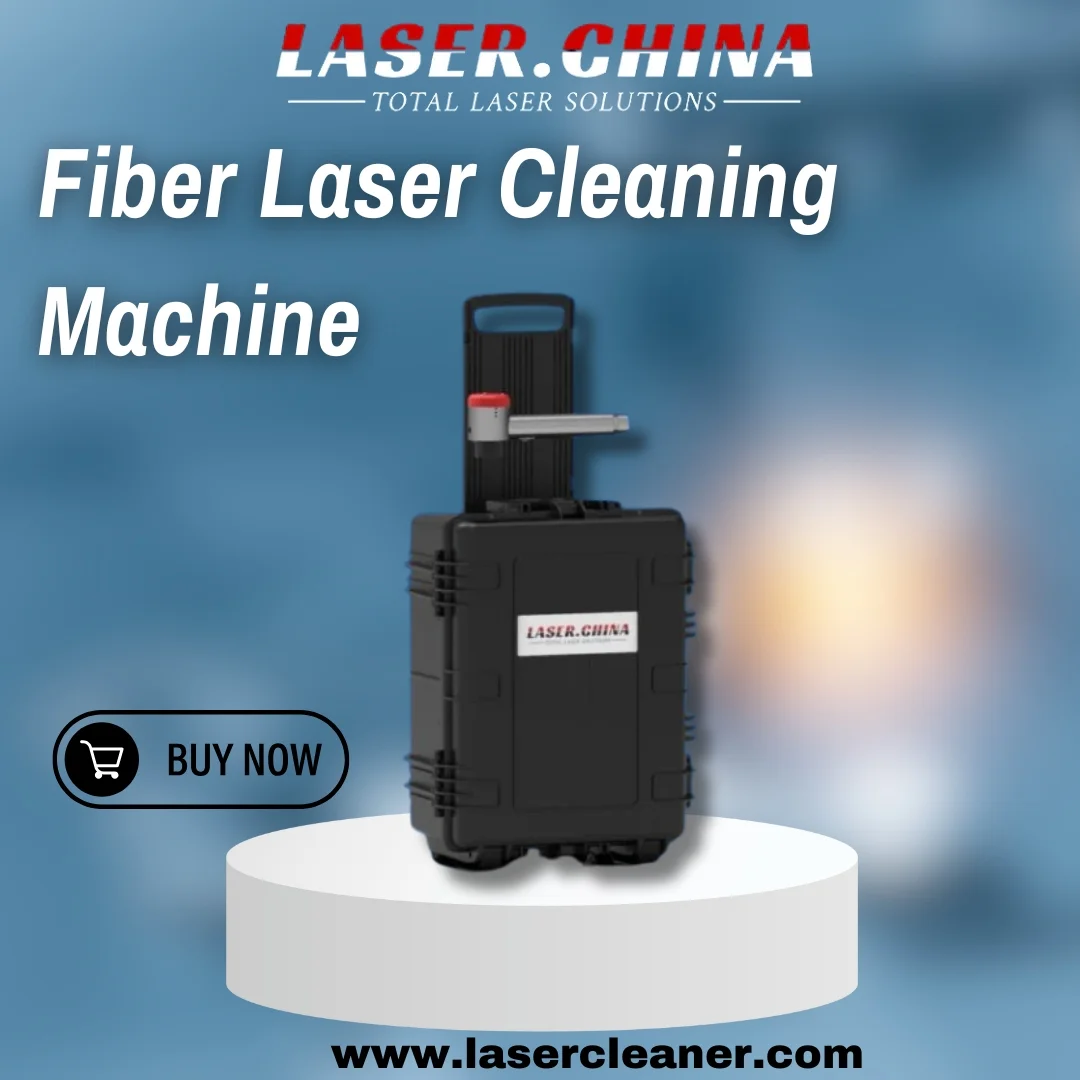
Fiber laser cleaning machines have revolutionized the way industries approach surface cleaning, offering a cleaner, faster, and more efficient alternative to traditional methods such as sandblasting or chemical cleaning. These machines use high-intensity fiber lasers to target and remove contaminants like rust, paint, oil, and other impurities from the surface of metals, plastics, and composites. With applications across a variety of industries, including aerospace, automotive, and manufacturing, fiber laser cleaning machines are seen as a game-changer due to their precision, environmentally friendly nature, and minimal wear and tear on the underlying materials.
However, despite the numerous benefits these machines offer, their use comes with inherent risks. Laser radiation, high temperatures, harmful fumes, and potential mechanical failures can all pose serious safety hazards. To ensure that fiber laser cleaning machines operate effectively and safely, it’s crucial to implement a comprehensive set of safety measures. Proper training for operators, the use of personal protective equipment (PPE), regular maintenance, and safety enclosures are just a few of the key precautions that must be followed.
In this blog post, we will delve into the top safety measures that should be followed when operating fiber laser cleaning machines. We’ll explore the importance of each measure, backed by industry case studies and real-world data, to ensure optimal performance while minimizing risks. Whether you are a business owner, operator, or safety manager, understanding and implementing these safety protocols is essential to maintaining a safe and efficient working environment.
Fiber Laser Cleaning Machine Top Safety Measures for Optimal Performance
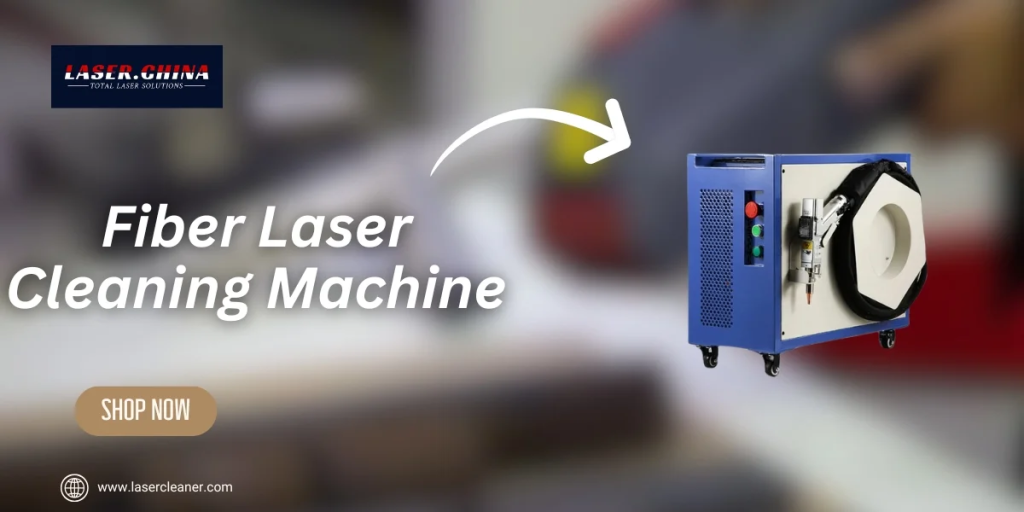
In recent years, fiber laser cleaning machines have rapidly transformed industries that require precision surface cleaning. From rust and paint removal to the cleaning of metals, plastics, and composites, these machines use the power of focused laser beams to remove contaminants with exceptional speed and efficiency.
With their ability to provide a cleaner, more environmentally friendly alternative to traditional methods, such as sandblasting or chemical cleaning, fiber laser cleaning machine have become a game-changer across industries like aerospace, automotive, manufacturing, and more.
However, as with any high-tech equipment, ensuring proper safety precautions is critical to maintain optimal performance and avoid risks that could lead to costly damage, injuries, or other safety hazards.
In this in-depth blog post, we’ll explore the crucial safety measures that must be implemented when operating fiber laser cleaning machines. These measures are based on real-world case studies and industry best practices, providing a detailed guide for operators and managers who want to keep their workplace safe, efficient, and compliant with the latest safety standards.
Understanding the Fiber Laser Cleaning Machine
Before we dive into safety measures, it’s essential to first understand the working principle of fiber laser cleaning machines. These machines use a fiber laser to emit a high-intensity laser beam onto a material surface. The energy from the laser beam causes the contaminants, such as rust, paint, oil, or other unwanted substances, to either vaporize or be removed mechanically. This process can be highly efficient, leaving behind a clean surface without damaging the underlying material.
Fiber lasers are increasingly popular in industrial applications due to their precision, speed, and minimal environmental impact. Unlike abrasive cleaning methods that rely on chemicals or mechanical processes, fiber laser cleaning only uses light energy, making it a cleaner, more eco-friendly option. However, the intensity of the laser beam and the heat it generates require strict adherence to safety protocols to ensure that workers, equipment, and the environment are not harmed.
The Importance of Safety in Fiber Laser Cleaning Machines
While fiber laser cleaning offers impressive capabilities, it also comes with inherent risks that need to be addressed to ensure safe operation. The primary safety concerns associated with fiber laser cleaning machines include the following:
- Laser Radiation Exposure: The most obvious and severe risk is exposure to the laser radiation itself. Direct exposure to a laser beam or even reflected light can cause severe eye damage, including permanent blindness. The intense heat from the laser can also cause skin burns or other injuries.
- Fumes and Toxic Particles: Laser cleaning often involves the removal of rust, paint, or other contaminants that may release harmful fumes or particles. These can be toxic, posing respiratory hazards to workers if proper ventilation and fume extraction systems are not in place.
- Fire Hazards: The laser cleaning process generates heat, which can ignite flammable materials in the vicinity. Therefore, ensuring that the work area is free from combustible materials is vital to avoid fire hazards.
- Mechanical and Electrical Failures: Just like any high-powered industrial machine, fiber laser cleaning machines can malfunction. These failures may lead to electrical shocks, mechanical breakdowns, or other safety hazards if the machines are not properly maintained and operated.
By implementing robust safety protocols and guidelines, the risks associated with these machines can be mitigated, ensuring both the safety of personnel and the machine’s optimal performance.
Key Safety Measures for Fiber Laser Cleaning Machines
Now, let’s examine the key safety measures that should be implemented to guarantee the safe and effective operation of fiber laser cleaning machines. These measures range from the use of protective equipment to proper machine maintenance and operator training.
1. Personal Protective Equipment (PPE)
Personal protective equipment (PPE) is the first line of defense for operators when working with fiber laser cleaning machines. The following PPE is essential for ensuring the safety of those operating these machines:
- Laser Safety Glasses: Since the laser emitted by fiber laser cleaning machines is often invisible to the naked eye, it is crucial that operators wear specialized laser safety glasses designed to filter out the specific wavelengths of laser radiation used. Failure to wear these glasses can result in serious eye damage, including permanent blindness.
- Flame-Resistant Clothing: Laser cleaning generates a significant amount of heat. Operators should wear flame-resistant clothing to protect against burns or heat-related injuries, especially when working with materials like metals that absorb heat quickly.
- Protective Gloves: High temperatures produced during laser cleaning can make the materials being cleaned extremely hot. Operators should wear heat-resistant gloves to avoid burns or injuries when handling these materials after cleaning.
- Ear Protection: Fiber laser cleaning machines can sometimes produce high-pitched sounds that may cause hearing damage over prolonged exposure. To mitigate this risk, operators should wear ear protection, such as earmuffs or earplugs.
Equipping operators with appropriate PPE is a basic but crucial step in reducing the risk of injury. Companies that have implemented strict PPE protocols have reported significantly fewer injuries and higher productivity due to reduced downtime caused by accidents.
2. Laser Enclosures and Safety Barriers
Another critical safety measure for fiber laser cleaning machines is the use of laser safety enclosures and barriers. These protective barriers prevent accidental exposure to the laser beam, ensuring that operators and bystanders are not inadvertently harmed by the intense laser radiation.
- Laser Safety Enclosures: The laser should be confined to a designated cleaning area, and enclosures should be designed to prevent any part of the body or eyes from coming into direct contact with the laser beam. These enclosures are often made of transparent materials that absorb or reflect the laser energy, ensuring no harmful exposure.
- Safety Barriers: In addition to enclosures, safety barriers should be placed around the machine to keep unauthorized personnel away from the operation area. Barriers also serve as visual indicators, signaling to workers that they should not approach the machine while it’s operating.
Implementing laser enclosures and barriers not only protects workers but also helps prevent damage to the machine itself by minimizing the chance of accidental misalignment or exposure to external elements.
3. Ventilation and Fume Extraction Systems
Laser cleaning can produce harmful fumes and particles, especially when removing rust, paint, or coatings from materials. These particles may contain toxic substances, such as heavy metals or volatile organic compounds (VOCs), which can pose serious health risks if inhaled. Therefore, proper ventilation and fume extraction systems are essential.
- Fume Extraction Systems: These systems capture harmful particles and gases that are emitted during the cleaning process. The extraction units should be equipped with filters capable of trapping hazardous materials, ensuring that the air quality in the workspace remains safe for the operator and other personnel.
- Adequate Ventilation: In addition to fume extraction, ensuring that the work area is well-ventilated is crucial to disperse any potentially harmful gases. The proper flow of fresh air helps to maintain a safe working environment, reducing the concentration of dangerous fumes.
Case studies in industrial settings have shown that implementing advanced fume extraction and ventilation systems can improve air quality and reduce worker complaints related to respiratory issues. For instance, a manufacturing plant that installed a fume extraction system saw a 50% decrease in respiratory complaints among employees.
4. Operator Training and Certification
Operator training is perhaps the most vital aspect of ensuring the safe and efficient operation of fiber laser cleaning machines. A well-trained operator is less likely to make mistakes that could lead to accidents, equipment damage, or poor performance.
- Training Programs: Operators should undergo comprehensive training that covers the fundamentals of laser technology, safe operating procedures, emergency protocols, and the maintenance of the machine. This training should be hands-on and include real-life scenarios that could arise during operation.
- Certification: After completing the training program, operators should receive certification that proves their competency in handling the fiber laser cleaning machine. This certification should be periodically renewed to ensure that operators remain up-to-date on the latest safety guidelines and machine advancements.
Properly trained operators can reduce the likelihood of accidents and ensure that the machine runs efficiently, preventing costly downtime and minimizing potential damage to the equipment.
5. Regular Maintenance and Calibration
Routine maintenance and calibration are essential to ensure that the fiber laser cleaning machine operates optimally and safely. Neglecting maintenance can lead to malfunctioning components, decreased performance, or even hazardous situations.
- Regular Inspections: The laser source, optics, cooling system, and all other components should be inspected regularly to check for signs of wear or damage. Malfunctioning parts can cause the laser to behave unpredictably, potentially leading to accidents.
- Laser Calibration: The laser beam should be calibrated periodically to ensure that it is focused and aligned correctly. Misalignment of the laser can lead to inefficient cleaning and may even cause damage to the material being cleaned or the machine itself.
Routine maintenance and calibration should be performed by qualified technicians who understand the complexities of the fiber laser cleaning system. Studies show that companies that implement regular maintenance schedules experience a significant increase in the lifespan of their equipment and a reduction in breakdowns.
6. Fire Prevention Measures
Since the laser cleaning process generates significant heat, there is always the risk of fire, particularly in environments where flammable materials are present. To reduce the risk of fire, the following measures should be taken:
- Fire-Resistant Materials: Ensure that the workspace is free from any combustible materials or chemicals that could ignite from the heat generated by the laser.
- Fire Extinguishers and Safety Equipment: Fire extinguishers and other fire suppression systems should be easily accessible in case of an emergency. Additionally, operators should be trained on how to use this equipment in the event of a fire.
Implementing fire prevention measures not only protects workers but also prevents damage to valuable equipment and materials.
Final Thought
Ensuring the safety of fiber laser cleaning machine operations is essential for maximizing their benefits while minimizing risks. By adhering to the proper safety measures—such as providing personal protective equipment, setting up safety enclosures, ensuring effective ventilation, and implementing regular maintenance schedules—companies can significantly reduce potential hazards.
A well-trained workforce equipped with the right knowledge and tools will not only enhance the performance of the machine but also contribute to a safer, more efficient working environment. As fiber laser technology continues to evolve and gain traction across various industries, prioritizing safety will ensure that businesses can fully leverage its capabilities while maintaining compliance with safety regulations. Investing in these safety protocols is an investment in the long-term success of both the workforce and the machinery.