The fiber laser cleaning machine has become a widely used tool across industries for removing rust, paint, oxides, and other surface contaminants. Its precision and efficiency make it a preferred alternative to abrasive blasting, chemical cleaning, and manual scrubbing. But as the use of these machines becomes more common, one critical issue often gets overlooked—operator safety.
Many users underestimate the risks involved, especially when operating the machine without full protective gear or enclosures. From invisible laser radiation to toxic airborne particles and sudden reflections off metal surfaces, the dangers are real and often irreversible.
Some operators assume that because the beam doesn’t cut or spark visibly, it’s safe enough to use without glasses or ventilation. Others believe that working in open-air environments eliminates the need for masks or barriers. These assumptions not only expose workers to physical harm but also violate basic safety standards outlined by international bodies like ANSI and OSHA.
Understanding what safety gear is essential—and why—is not just about compliance. It’s about preventing permanent injury. In this guide, we will explain.
Table of Contents
- Fiber Laser Cleaning Machine Safety Guide for Use Without Full Protection
- What Is a Fiber Laser Cleaning Machine?
- The Real Safety Risks: What You Face Without Full Protection
- Safety Gear: What You Actually Need
- What Happens If You Skip Protection?
- Common Myths About Protection
- When Full Protection Isn’t Possible: What You Can Still Do
- Regulatory Guidelines You Should Know
Fiber Laser Cleaning Machine Safety Guide for Use Without Full Protection
The fiber laser cleaning machine is commonly used across industries for surface preparation, rust removal, coating removal, and cleaning metal components. Its precision and efficiency reduce downtime and deliver consistent results without consumables like chemicals or abrasives.
However, as its use becomes widespread, the importance of safety often gets overlooked. A significant number of operators handle the fiber laser cleaning machine without full protective gear or enclosures. This might seem convenient or efficient, but it introduces serious risks. Fiber lasers emit high-energy beams, release harmful particles into the air, and can reflect off shiny surfaces unpredictably.
Eye damage, burns, toxic inhalation, and even fire are potential outcomes of improper operation. The consequences are rarely immediate but often irreversible. Protective gear and controlled environments are not optional but essential when working with this technology. In this guide, we will explain.
What Is a Fiber Laser Cleaning Machine?
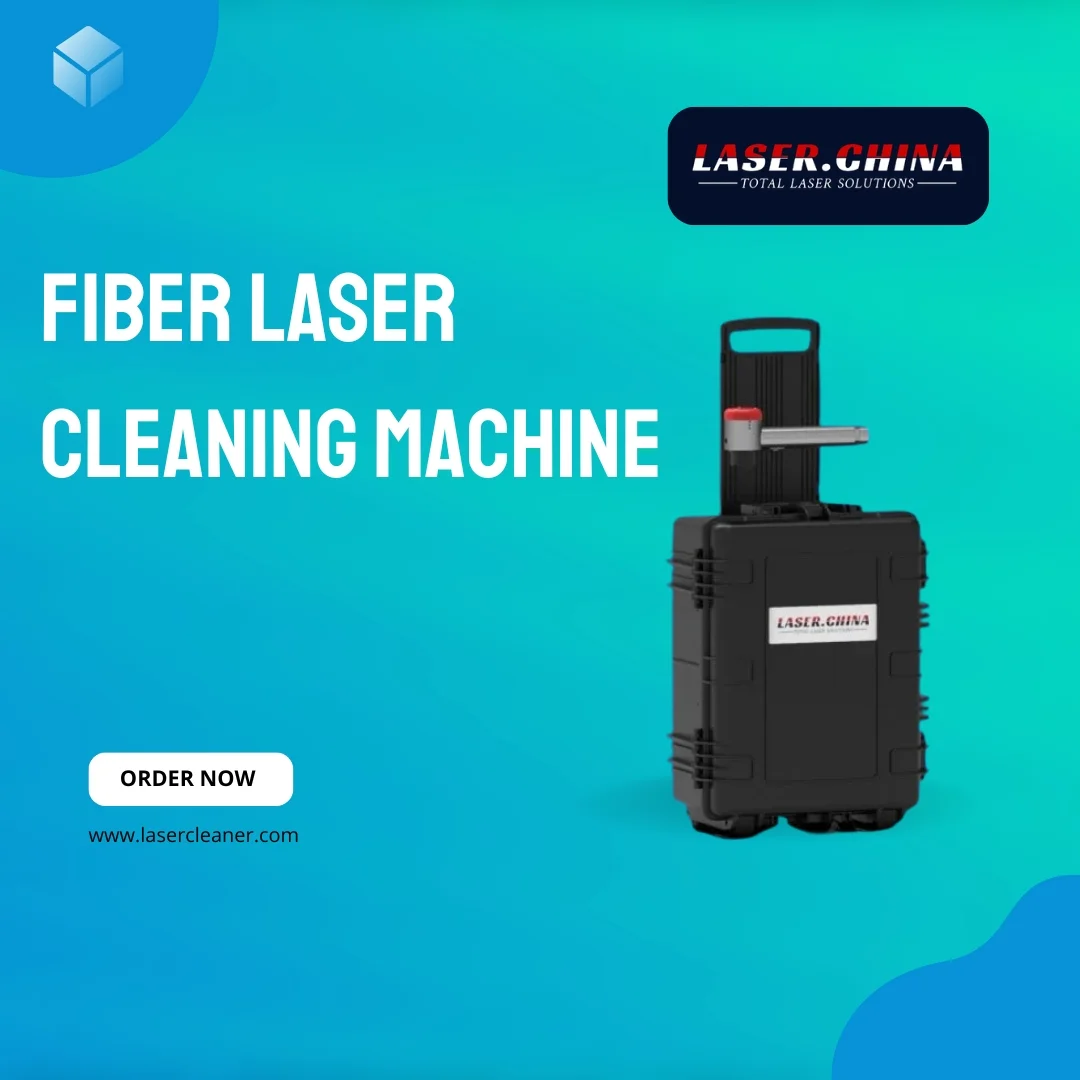
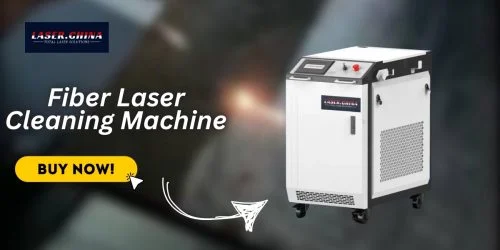
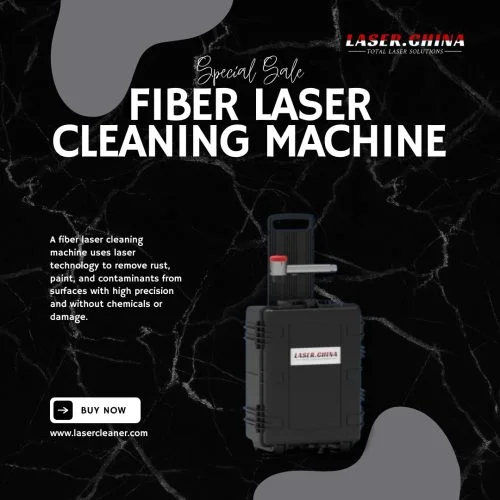
A fiber laser cleaning machine uses a focused laser beam to remove unwanted layers such as rust, paint, oil, and other contaminants from the surface of metals. The machine generates laser energy using fiber optics, which delivers high levels of beam stability and energy density. This type of laser typically operates at a wavelength around 1064 nm, placing it in the near-infrared range.
It is effective on metals such as steel, aluminum, copper, and alloys, and can clean without direct contact or damaging the base material. The beam ablates the top layer of unwanted material by heating and vaporizing it, often without heat affecting the rest of the workpiece. Fiber laser cleaning machines are used in industries such as automotive, aerospace, construction, shipbuilding, and machinery repair.
They are often selected for tasks where surface integrity must be preserved, and precision is crucial. Models range from low-wattage portable units to high-wattage industrial systems exceeding 2000W. Regardless of size, the energy output is strong enough to cause harm if not used with care.
The Real Safety Risks: What You Face Without Full Protection
Operating a fiber laser cleaning machine without full protection presents multiple safety risks. These risks are not hypothetical—they are well-documented in occupational safety guidelines and laser equipment manuals. The first major risk is to eyesight. Fiber lasers emit invisible near-infrared radiation, which can pass through the eye’s cornea and lens to the retina. Even brief exposure to scattered laser light can cause irreversible damage, including permanent blind spots or complete vision loss. Safety glasses designed for the laser’s specific wavelength and power level are mandatory.
The second risk is skin exposure. Direct or reflected beams from a fiber laser cleaning machine can cause thermal burns. Unlike visible light, infrared lasers may not trigger immediate pain, which delays response and increases injury severity. Shiny or angled surfaces can reflect the beam unexpectedly, creating secondary exposure hazards.
Third, the machine generates airborne contaminants. When the laser ablates rust, paint, or coatings, it vaporizes those materials. The fumes may contain toxic compounds such as lead oxides, chromium, or fine carbon particles. Without fume extraction systems or respirators, these particles are inhaled directly into the lungs, where they may cause irritation, chronic conditions, or long-term damage.
Lastly, laser operations can create fire hazards. Any flammable residue on the workpiece or in the surroundings can ignite from laser heat. Materials such as grease, solvent, or even wood nearby may catch fire if proper precautions are not taken. Without protective barriers or a fire management plan, this risk is amplified.
Safety Gear: What You Actually Need
Using a fiber laser cleaning machine safely requires specific protective equipment. Each item serves a direct purpose and addresses a known risk. Eye protection is the first and most critical requirement. Operators must use laser safety glasses that are rated for the 1064 nm wavelength and provide an optical density (OD) rating that matches the laser’s power output. Standard safety glasses or welding goggles are not suitable, as they do not block near-infrared radiation.
Next is respiratory protection. When an enclosure or fume extraction system is not available, workers should use a half-mask respirator equipped with P100 filters. These filters block 99.97% of airborne particles, including microscopic ones produced during cleaning. For higher-exposure tasks or long working hours, powered air-purifying respirators (PAPRs) provide more complete protection and comfort.
Skin and clothing must also be considered. Operators should wear gloves that are resistant to laser heat and avoid synthetic fabrics that may melt. Flame-retardant clothing or natural fibers like cotton provide a better barrier. Exposed skin should be minimized to reduce the risk of burns or irritation from heat and particles.
Lastly, while full enclosures may not be possible in all settings, barriers should be used. These can include laser curtains, shielding walls, or portable enclosures to control the beam’s path and contain any debris. Warning signs and safety indicators should be placed around the work zone to prevent accidental entry.
What Happens If You Skip Protection?
Skipping safety gear while using a fiber laser cleaning machine exposes operators to serious hazards. Eye injuries can occur without warning. Since the beam is not visible to the naked eye, a user might not notice exposure until symptoms such as blurred vision or dark spots appear. Unfortunately, retinal damage caused by lasers is often permanent.
Skin exposure may not cause immediate pain, but the damage accumulates. Operators might experience redness, burns, or even long-term tissue damage if they work too close to the beam or reflected light without protective barriers. Over time, unprotected use also leads to chronic conditions caused by heat or repeated exposure to airborne particles.
Inhalation of laser-generated fumes can result in respiratory symptoms ranging from coughing and throat irritation to long-term pulmonary conditions. Fumes from burning paint, oil, or metal can contain harmful substances like chromium VI or lead compounds, depending on the surface being cleaned.
Fire hazards are another overlooked consequence. A spark or focused beam can ignite oil residue, flammable debris, or even packaging materials nearby. If no containment or fire suppression is in place, the situation can escalate quickly.
Ignoring these risks not only affects personal safety but also has legal and financial implications. Accidents may lead to downtime, insurance claims, fines, or permanent health-related absences. Operating without protection is a shortcut with long-term consequences.
Common Myths About Protection
There are several misconceptions among users of the fiber laser cleaning machine, especially around safety gear. One common myth is that safety glasses are unnecessary because the beam is aimed only at the surface. This overlooks the possibility of reflective surfaces redirecting the beam into the eyes, which can occur even when the operator is careful.
Another myth is that if no visible light is emitted, the beam is safe. In reality, the infrared wavelength used in fiber laser cleaning machine is invisible but still powerful enough to damage biological tissue. Users sometimes assume that open-air environments reduce exposure to fumes, but this is only partially true. Nano-sized particles can remain suspended even outdoors and may still be inhaled without adequate respiratory protection.
Some believe that experience or skill makes protection optional. Regardless of how long someone has used the machine, the beam’s physical properties remain unchanged. The laser does not adjust its intensity based on the operator’s familiarity. Risk increases with prolonged or repeated exposure, not skill level.
Finally, many assume that short cleaning tasks do not require protection. In fact, laser damage can happen in a fraction of a second. Even brief exposure without appropriate gear can lead to lasting harm. These myths contribute to unsafe habits and increase the likelihood of injury or long-term effects.
When Full Protection Isn’t Possible: What You Can Still Do
There are scenarios where full protective enclosures or automated systems may not be practical. In such cases, certain steps can still reduce risk while operating a fiber laser cleaning machine. One of the most effective alternatives is using a portable fume extractor. These devices capture airborne particles at the source and filter them before releasing clean air back into the environment. Compact models are available for fieldwork and confined spaces.
Operators should also use remote handling tools or extended nozzles, which allow them to operate the laser from a safer distance. This reduces direct exposure to beams and hot surfaces. Some fiber laser cleaning machines support trigger-based controls or robotic arms for added reach and precision.
Temporary barriers such as flame-resistant curtains or collapsible shields can help contain the beam path. These portable setups can be moved and adjusted to fit different work environments, providing basic containment without a full enclosure. Brightly colored warning signs and light indicators should also be placed around the cleaning zone to alert others of ongoing laser activity.
Rotating job assignments is another effective control. By limiting the duration of direct exposure for any one worker, you reduce cumulative risk. It also gives employees a chance to rest and recover from tasks involving vibration, heat, or inhalable particles.
If ventilation systems are unavailable, open doors and fans can help disperse fumes—although this method is not as effective as extraction. Lastly, performing a quick equipment check before each use ensures that the laser output, focusing system, and safety interlocks are functioning correctly.
Regulatory Guidelines You Should Know
Several regulatory bodies provide detailed safety standards for using laser systems like the fiber laser cleaning machine. In the United States, the ANSI Z136.1 standard outlines rules for safe use of lasers in various environments. It specifies protective eyewear, area control, training, and emergency procedures.
The Occupational Safety and Health Administration (OSHA) includes guidelines under section 1926.54 for laser safety in construction and manufacturing sectors. It mandates hazard assessments, control measures, and the use of personal protective equipment (PPE) when operating high-power laser systems.
In Europe, the EN 60825-1 standard governs laser product safety. It requires equipment labeling, classification, and risk assessments before use. It also provides rules for manufacturers and users on how to maintain laser safety in industrial applications.
The International Electrotechnical Commission (IEC) also publishes global standards under IEC 60825. These cover laser device classification and user requirements for workplace safety.
Even if local enforcement is minimal, following these international guidelines helps maintain a safe work environment. Employers who ignore them may face legal action in case of accidents or employee harm. Adhering to regulations also ensures better insurance coverage and fewer workplace interruptions.
Final Thoughts
Using a fiber laser cleaning machine without full protection is a risk that no operator or business should take lightly. The power behind this technology may be invisible to the eye, but its effects are very real. Laser radiation, airborne contaminants, skin exposure, and fire hazards are all present during operation—even during short or routine cleaning jobs. Proper safety protocols, including certified eye protection, respirators, shielding, and controlled environments, are not optional—they are fundamental to responsible use.
While certain situations may limit the use of full enclosures or automation, that doesn’t mean safety should be compromised. Portable fume extractors, barriers, job rotation, and regular maintenance can reduce exposure risks significantly. Following established safety standards from ANSI, OSHA, EN, or IEC is not just about compliance—it’s about prevention.
The fiber laser cleaning machine is a valuable asset, but only when handled with the respect it demands. Investing in protection today prevents irreversible consequences tomorrow. Safe operation isn’t just good practice—it’s essential for long-term success in any laser-based cleaning environment.