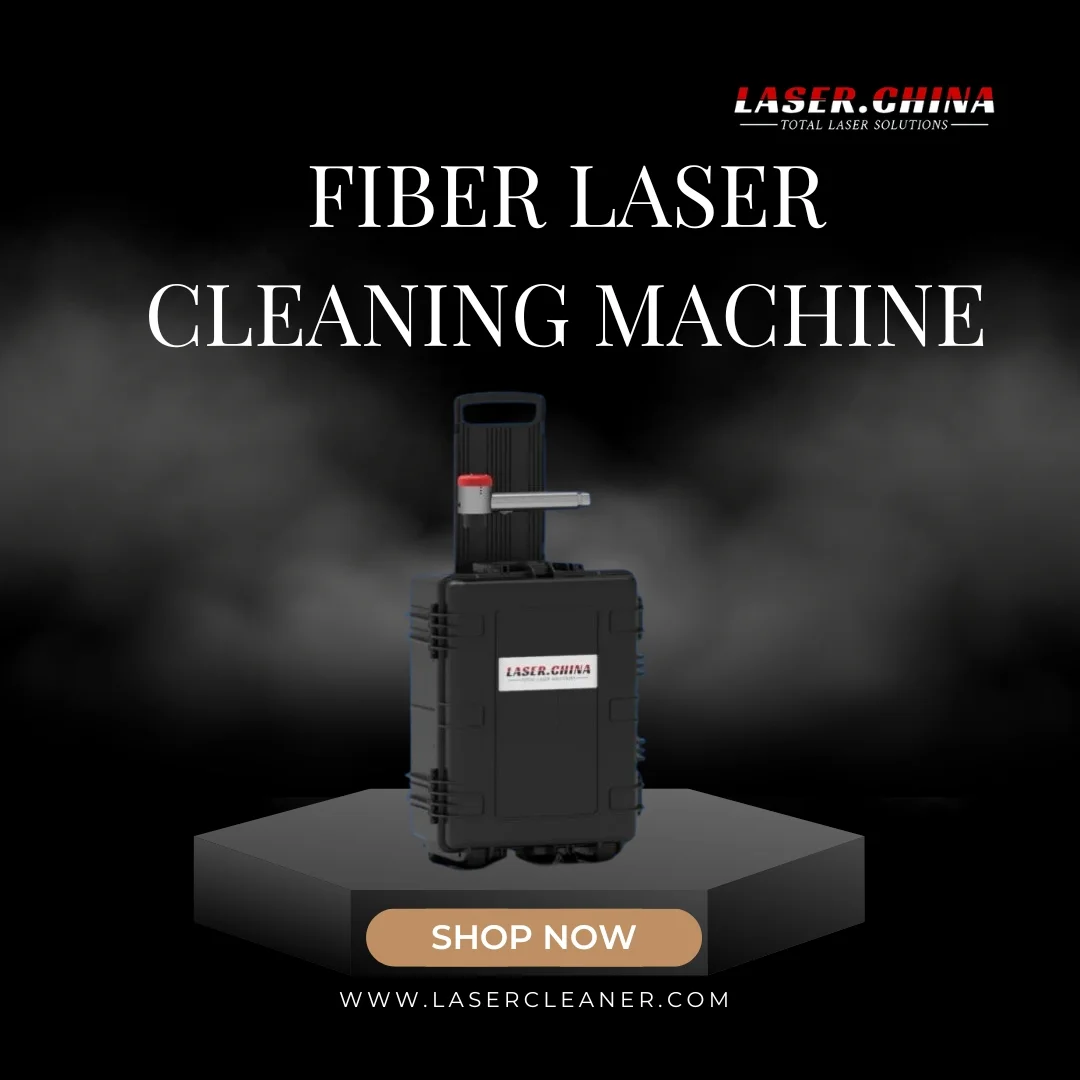
Fiber laser cleaning machines are rapidly changing how industries approach surface preparation and contamination removal. Whether you’re removing rust from steel, cleaning oxides from weld seams, or stripping paint from machinery, these machines offer a fast, precise, and chemical-free solution. But one critical factor often overlooked is material compatibility. Not every surface responds the same way to high-intensity laser beams. Some materials absorb the energy efficiently and allow for clean, damage-free removal. Others reflect the beam or degrade under heat, leading to permanent damage, toxic fumes, or poor results.
Before using a fiber laser cleaning machine on any surface, it’s essential to evaluate whether the material is safe for laser interaction. This decision isn’t based on guesswork—it requires understanding physical properties like reflectivity, thermal conductivity, and melting points, as well as the nature of surface coatings or contaminants. Getting this wrong can harm your equipment or reduce the quality of your work.
In this guide, we will explain how to identify safe-to-clean materials when using a fiber laser cleaning machine, with clear criteria, real-world examples, and practical testing methods.
Fiber laser cleaning machine how to identify safe-to-clean materials
Fiber laser cleaning machines are transforming how industries deal with rust, paint, oil, oxides, and other surface contaminants. Their appeal lies in their precision, speed, and ability to clean surfaces without contact or chemicals. But not every material is compatible with this technology. Misuse can lead to surface damage, inefficient results, or even safety hazards. Many users wrongly assume the laser will clean anything it’s aimed at. This is not true. The key to successful cleaning is knowing whether a material is safe for laser interaction.
Understanding material behavior under laser exposure is essential. Some materials absorb the laser beam and allow smooth removal of contaminants. Others reflect the beam or melt, leading to poor performance or surface degradation. Material thickness, reflectivity, coatings, and thermal properties all play a role. If these factors are ignored, the laser may damage the base material or generate harmful emissions.
Why Material Safety Matters in Laser Cleaning
Using a fiber laser cleaning machine without confirming material compatibility can cause unintended effects. The laser emits a high-energy pulsed beam that removes surface contaminants by heating and vaporizing them. While this method is efficient, not all materials can withstand the intensity of the beam. Some materials reflect the energy, others absorb too much, and certain coatings can emit hazardous fumes when burned.
When the material is not safe for laser cleaning, it can result in permanent warping, cracking, or even combustion. Additionally, unsafe cleaning can damage the optics of the machine, especially when reflective surfaces bounce the beam back toward the laser head. For industrial users, this means costly repairs and downtime. For operators, it introduces risks such as exposure to toxic gases or high-temperature fragments.
To avoid these issues, it’s important to evaluate each material’s behavior under laser exposure before proceeding. Safe-to-clean materials are those that can absorb the beam energy in a controlled way without degrading structurally or chemically. This evaluation requires testing, research, and sometimes consultation with equipment manufacturers or material scientists.
How to Assess if a Material Is Safe to Clean
To determine if a material can be safely cleaned using a fiber laser cleaning machine, several physical and chemical properties must be analyzed. Each factor contributes to how the material responds to laser exposure.
Check Reflectivity
The first property to check is the material’s reflectivity. Fiber lasers typically emit at a wavelength of 1064 nm. Materials like polished aluminum, copper, and brass have high reflectivity at this wavelength. When the laser beam strikes such a surface, a large portion of the energy is reflected instead of absorbed. This can damage the laser head or surrounding equipment. It also leads to poor cleaning performance, as the contaminant layer is not effectively removed.
To manage this, either avoid highly reflective materials or use pre-treatment methods to dull the surface. Alternatively, use lower power settings and pulse control to reduce the risk. Dark or oxidized surfaces are more laser-absorbent and are generally safer to clean. Always check the manufacturer’s reflectivity data or use a reflectometer if in doubt.
Review Melting and Boiling Points
The material’s thermal limits are another important factor. Laser cleaning depends on selective heating, where the contaminant layer heats up and vaporizes faster than the base material. If the substrate has a low melting point, there is a risk that it will deform or burn during cleaning. For effective cleaning, the contaminant’s vaporization temperature should be much lower than the base material’s melting point.
For example, paint may vaporize at around 300°C, while steel melts at over 1400°C. This wide temperature gap makes steel a safe option. In contrast, materials like lead, tin, and certain plastics have low melting points and can easily be damaged by the laser. Before cleaning, verify these values using a material datasheet.
Inspect Surface Coatings and Layers
Some materials are coated with paints, films, or oxides that react differently to laser energy. Certain coatings, especially those containing PVC, epoxy, or lead-based compounds, can release harmful gases when vaporized. Cleaning such surfaces without a fume extraction system is unsafe. Additionally, some coatings absorb more energy than the base material, which can lead to uneven heating or partial damage.
Always identify the composition of surface coatings before cleaning. If the material is painted, research the paint type and age. New industrial paints may contain solvents or resins that react strongly to laser energy. In these cases, use controlled laser settings and operate with proper ventilation. Coated surfaces can be cleaned if proper care is taken, but never proceed without understanding what lies on the surface.
Conduct a Material Test
Even after theoretical evaluation, it’s always recommended to perform a small-scale test before full cleaning. Set the fiber laser cleaning machine to a low power level and test on a corner or sample piece of the material. Observe the reaction closely. If the contaminant layer is removed cleanly and the base remains undamaged, increase the power gradually and retest. Visual inspection and surface measurement tools can help determine if the cleaning is safe.
Testing also allows for parameter optimization. Every material requires different settings for pulse width, frequency, and scanning speed. By conducting tests first, you can adjust these variables to achieve the best result without compromising safety.
Safe-to-Clean Materials for Fiber Laser Cleaning
Some materials are widely recognized as safe for use with fiber laser cleaning machines. These materials respond predictably to laser energy, and their thermal and optical properties make them well-suited for cleaning.
Mild Steel
Mild steel is one of the most compatible materials for fiber laser cleaning machine. It absorbs laser energy efficiently, has a high melting point, and is structurally stable. Rust, paint, and scale are removed easily from its surface. This makes mild steel ideal for industries such as construction, automotive repair, shipbuilding, and heavy machinery maintenance.
Stainless Steel
Stainless steel is also a safe choice, especially when dealing with surface contaminants like oxides or weld discoloration. While polished stainless steel can reflect some laser energy, oxidized surfaces absorb it well. Adjusting power and using a proper scan path ensures safe and effective cleaning.
Titanium
Titanium is known for its strength and heat resistance. It responds well to fiber laser cleaning machine, particularly in aerospace and medical applications. Contaminants and oxidation can be removed without damaging the material’s structure. However, since titanium is often used in precision components, it’s important to use low to moderate power and tight control over the laser parameters.
Cast Iron
Cast iron has a rough, porous surface that absorbs laser energy well. It is commonly used in industrial equipment and older machinery. The material can withstand high temperatures, and surface rust or carbon deposits are removed effectively. Fiber laser cleaning machine offers a fast way to restore these parts without chemicals or scrubbing.
Carbon Steel
Carbon steel behaves similarly to mild steel in terms of laser compatibility. It handles the heat from the laser pulse well and allows for quick rust or paint removal. Carbon steel is used in structural applications, pipelines, and industrial components where surface preparation is essential.
Materials to Avoid or Handle With Caution
While many metals are safe for laser cleaning, some materials require caution or should be avoided altogether due to their chemical or thermal properties.
Plastics and Polymers
Most plastics have low melting points and are chemically reactive to heat. When exposed to a fiber laser cleaning machine, they can melt, burn, or release toxic vapors. Plastics like PVC, nylon, and polyethylene are especially hazardous. Laser cleaning is generally not recommended for polymer-based materials.
Thin Foils or Sheet Metals
Very thin metal sheets, particularly those under 0.5 mm, can warp or puncture under laser exposure. The heat generated by the laser pulse can quickly transfer through the thin material, leading to deformation. If such materials must be cleaned, use ultra-low power and proceed slowly with careful observation.
Lead, Tin, and Zinc Alloys
These metals have low melting points and can emit hazardous fumes when heated. Lead in particular is toxic when vaporized. Cleaning these materials with a fiber laser cleaning machine is not recommended unless you use specialized equipment with full ventilation and protection systems.
Anodized or Galvanized Metals
Laser cleaning can strip anodized or galvanized coatings, which may be the goal in some cases. However, if the intent is to clean the surface while preserving the coating, avoid using fiber lasers. Additionally, zinc coatings may emit fumes, so use fume extraction systems and operate with care.
Tools and Indicators for Identifying Safe Materials
To make safe decisions, you can rely on basic tools and indicators that give insights into how a material will behave under laser cleaning.
Material Data Sheet (MDS)
This sheet provides essential information about a material, including melting point, reflectivity, and chemical composition. It’s a valuable resource for evaluating thermal safety and reaction risk under laser exposure.
Thermal Imaging
Thermal cameras can be used during test cleaning to observe how heat spreads across the material. Excessive or rapid heat buildup may indicate poor compatibility or the need for reduced laser settings.
Surface Roughness Tester
After cleaning, measuring the surface roughness helps determine whether the base material was altered. An increase in surface roughness may suggest micro-damage or unintended melting.
Laser Power Meter
Verifying the actual output of the fiber laser cleaning machine is important, especially when working on sensitive surfaces. Use a power meter to confirm that your settings are within safe operating ranges.
Real-World Scenarios – Safe Cleaning Decisions
Fiber laser cleaning machine is used in various industries where material safety plays a major role in operational success. In automotive shops, it’s common to clean steel parts, which are safe under most settings. In aerospace, titanium and stainless components are cleaned with precision control.
In manufacturing plants, heavy steel and iron surfaces are treated to remove rust and weld scale. Across all these sectors, understanding material properties before cleaning ensures safety, efficiency, and consistent results.
Final Thought
Using a fiber laser cleaning machine effectively depends on more than just pointing the laser at a surface—it requires a clear understanding of the material being cleaned. Not all materials are suitable for laser exposure, and treating them without evaluation can lead to surface damage, safety risks, and equipment wear. Safe-to-clean materials like mild steel, stainless steel, titanium, and cast iron are widely used because they handle laser energy well. Others, like plastics, thin foils, and low-melting alloys, demand caution or should be avoided.
Before starting any cleaning task, take the time to assess the material’s reflectivity, thermal properties, and surface composition. Run small-scale tests when uncertain, and always use proper ventilation when working with coated or treated surfaces. Reliable cleaning comes from combining the right machine settings with solid material knowledge.
A fiber laser cleaning machine is only as effective as the operator’s understanding of material compatibility. With the right approach, you’ll ensure safe operation, protect your components, and get consistently clean results every time.